
"Bee Neighborly"
"When Nanabozho, the Anishinaabe Original Man, our teacher, part man, part manado, walked through the world, he took note of who was flourishing and who was not. He was dismayed when he came upon villages where the gardens were not being tended, where the fishnets were not repaired and the children were not being taught the way to live. Instead of seeing piles of firewood and caches of corn, he found the people lying beneath maple trees with their mouths wide open, catching the thick, sweet syrup of the generous trees. They had become lazy and took for granted the gifts of the Creator. They did not do their ceremonies or care for one another. He knew his responsibility, so he went to the river and dipped up many buckets of water. He poured the water straight into the maple trees to dilute the syrup. Today, maple sap flows like a stream of water with only a trace of sweetness to remind the people both of possibility and of responsibility. And so it is that it takes forty gallons of sap to make a gallon of syrup."
~Excerpt from "Braiding Sweetgrass" by Robin Wall Kimmerer
This is a love story
“Even a wounded world is feeding us. Even a wounded world holds us, giving us moments of wonder and joy. I choose joy over despair. Not because I have my head in the sand, but because joy is what the earth gives me daily and I must return the gift.” -Robin Wall Kimmerer, "Braiding Sweetgrass"
The story of our existence began millions of years ago, with the deepest, widest form of love there could ever be. The kind of love that runs through the core of the earth and fills our own earth bodies. The kind that weaves people together and creates abundance for all.
As I sit here poring over my notes, the shape of this series and work congealed into something that humbled me to tears. The love story between plants and pollinators is like an old, forgotten tale that was buried beneath the layers of colonial, supremacist narratives and agendas; but it is re-emerging. She knows it has to.
We are re-learning the kaleidoscope languages of Her love, and many are not spoken in words.
The Anishinaabe word for insect is "Manidoosh," or "little spirit." I learned that a traditional Indigenous greeting between us and little spirits is "Aanii," meaning "I see your light." They see our light, but do we see theirs?
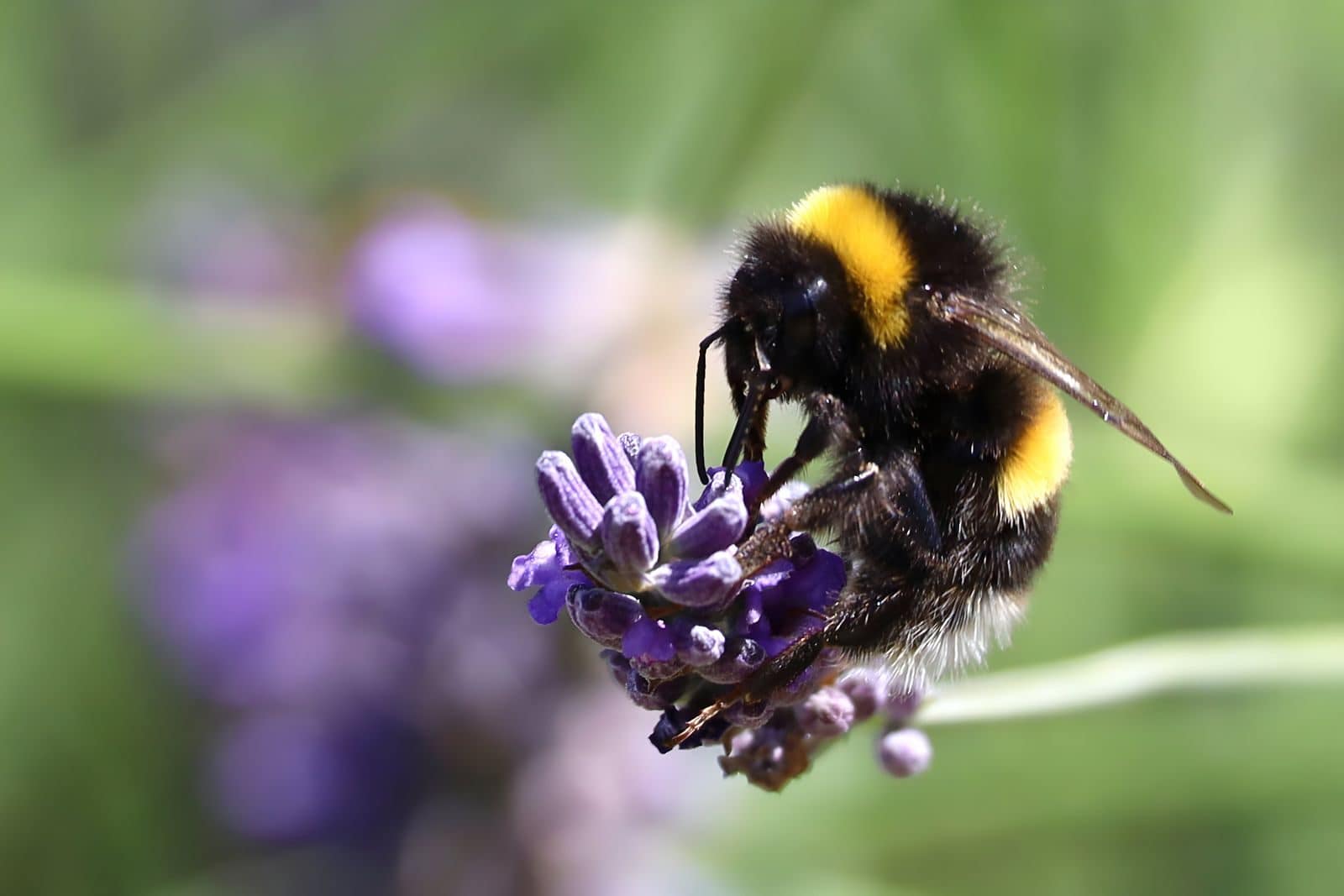


As the Indigenous story of Nanabozho, the First Man, goes, he was the last to arrive on Turtle Island/Earth. All plants, animals, waters, and winds were already here. All of the knowledge he needed to live was present in the Land, and he had to learn from the Land what it means to be human. He had to learn the names of the plants and animals by watching how they live and speaking with them to learn what gifts they carry. "His gratitude for their abilities grew, and he came to understand that to carry a gift is also to carry a responsibility."
Kimmerer says, "As our human dominance of the world has grown, we have become more isolated, more lonely when we can no longer call out to our [more-than-human] neighbors."
How do we walk back to a place where we know each other again, by our gifts?
How do we reconnect with our fuzzy, winged neighbors and understand the way they actually hold the world, feed the world?
We need to go back and learn the stories that have carried us. The stories that teach us how to "meet our gifts and responsibilities" as part of this interconnected, diverse web of life.
The story of pollinators and flowering plants is one of relational intelligence and care, of mutual flourishing.
Colors and Textures of Care
Pollination is the transfer of pollen from the male part of the flower (anthers) to the female part (stigma), and allows plants to fertilize, reproduce, and produce the seeds and fruits that sustain ecosystems and food systems worldwide. A staggering 90% of flowering plants need animal pollinators to reproduce.
But we didn't always have the array of beautiful shapes, textures, and colors in our flowering plants as we do today.
This story begins all the way back to the Triassic, about 150 million years ago. The plants of that time (gymnosperms) relied on wind to pollinate, producing and releasing large amounts of pollen into the air to hopefully reach their intended targets--which early insects ate. This was physiologically taxing, and plants needed a better way to reproduce. So they adapted.
About 120 to 130 million years ago, early flowering plants (angiosperms) adapted to offer protein-rich pollen and sugary nectar. What happened in the next millions of years to the present day is the love story: co-evolution that produced the extraordinary diversity of plants and pollinating insects.
As plants and the pollinators they courted coevolved, flowers began to develop traits that attracted specific pollinators, such as vibrant colors, enticing scents, and nectar rewards. These traits are known as pollinator syndromes. Pollinators, in turn, developed adaptations to efficiently access floral resources.
The result of this co-evolutionary dance and romance? The array of fruits, vegetables, spices, seeds, and even (especially?!) our coffee. They truly enrich our lives every day, helping us survive and thrive.


The two-step process of co-evolution goes like this (from Pollinator Partnership:
- Floral Morphology: As mentioned above, plants have evolved diverse flower shapes, sizes, and colors to attract specific pollinators. For example, deep tubular flowers are suited for hummingbirds, while flat, open flowers cater to bees (Ollerton et al., 2011).
- Nectar Guides: Many flowers have visual, or UV patterns known as nectar guides, which direct pollinators to the nectar, ensuring effective pollen transfer (Ollerton et al., 2011).
- Pollen Presentation: Some plants have developed mechanisms to control pollen release, such as the explosive pollen release in certain orchids or the gradual presentation in sunflowers (Ollerton et al., 2011).
- Pollinator Fidelity and Constancy: Many pollinators, such as bees, exhibit floral fidelity, meaning that they consistently visit the same species of flower during a foraging trip. This constancy increases pollination efficiency by maximizing the likelihood of pollen transfer between flowers of the same species, enhancing reproductive success and reducing cross-species pollination loss (Waser, 1986).
- Buzz Pollination: Some plants, like tomatoes, have poricidal anthers that release pollen only when vibrated at a specific frequency, a process known as buzz pollination. Bees (especially bumble bees) perform this behavior by vibrating their wing muscles, which shakes the pollen loose and ensures efficient transfer to other flowers.
Even more: plants that benefit from pollination contribute to essential ecosystem services that humans depend on daily. These plants play critical roles in carbon sequestration, helping to mitigate climate change; they also contribute to water purification and soil stabilization, protecting against erosion and improving water quality. Pollinated plants also provide the raw materials for medicines, textiles, and countless other products that support our economies and quality of life. The ripple effect of pollination extends far beyond the flowers and fruits we see – it supports the health and functionality of entire ecosystems, upon which all life depends. (Pollinator Partnership)
Pollinator neighbors are more diverse than you might know!
- Bees: The most efficient and well-known pollinators, crucial for both wild plants and agricultural crops (e.g., bumble bees, mason bees, honey bees).
- Butterflies: Attracted to brightly colored, flat flowers they can land on.
- Moths: Primarily active at night and attracted to pale or white, heavily scented flowers.
- Flies: Surprisingly vital pollinators; some species act as primary pollinators for crops like cocoa.
- Beetles: The most numerous pollinators, responsible for pollinating a vast majority of the world's flowering plants.
- Wasps: Important pest controllers that also visit flowers for nectar.
- Birds: Prominent in the Americas, particularly hummingbirds, which are drawn to tubular, red, or orange flowers.
- Bats & Small Mammals: Essential in tropical regions, aiding in the pollination of many nocturnal flowers and cacti
By far and away, however, bees do most of our pollination, and diversified the most with over 4,000 native bee species worldwide!
However: pollinators, and especially bees (especially native bees) are in crisis. They, keystone species, are telling us they are in trouble. We need to meet our gifts and responsibilities to our neighbors again.
We are losing native bees the fastest, who are also the best pollinators for many plants--they co-evolved, remember? They are facing:
- Habitat loss and fragmentation
- Pesticides
- Climate change/gaps in their and their plants' emergence
How do we help our neighbors?

* More on this to come in part 2! *

Becoming a Steward: Story Behind the Process

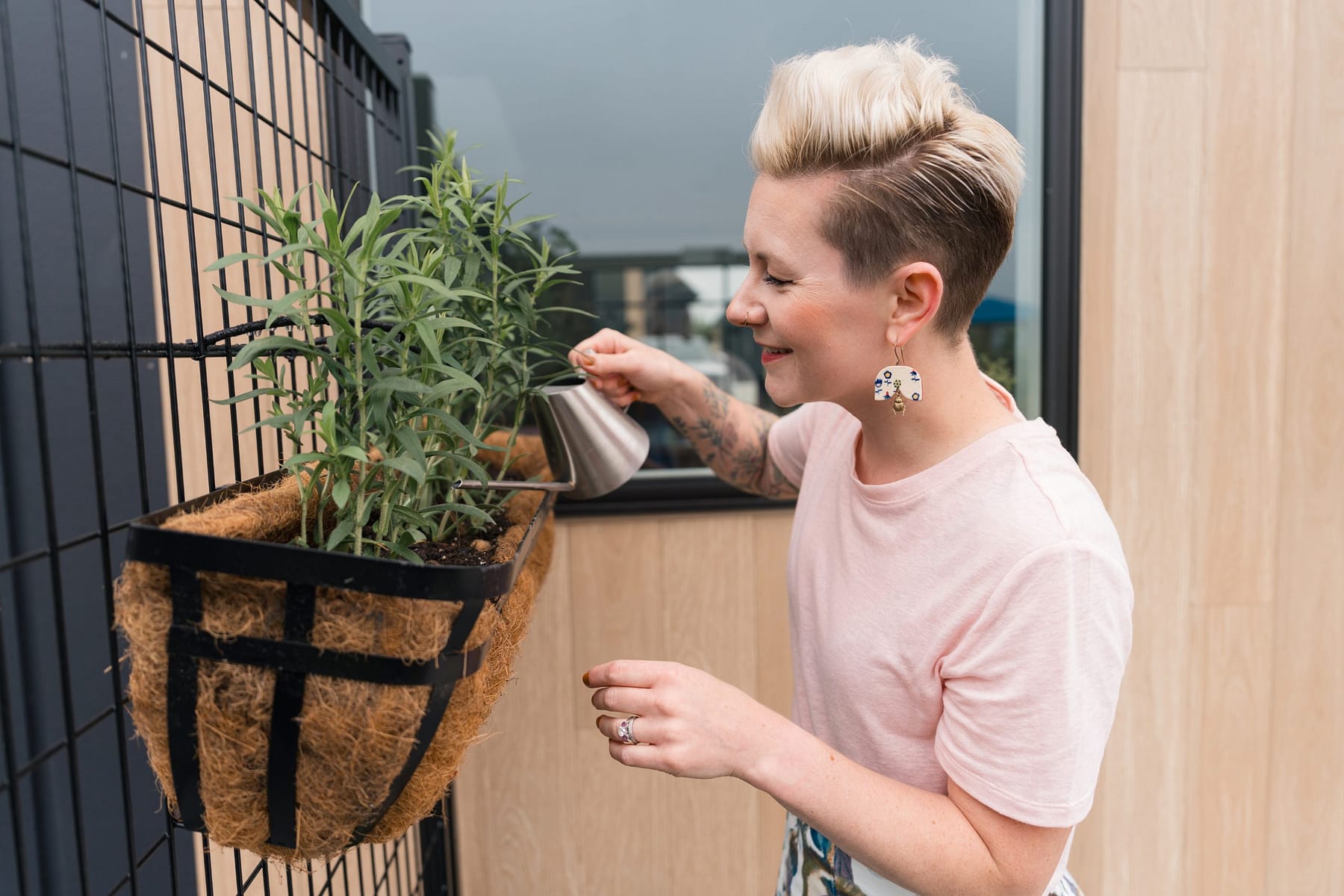
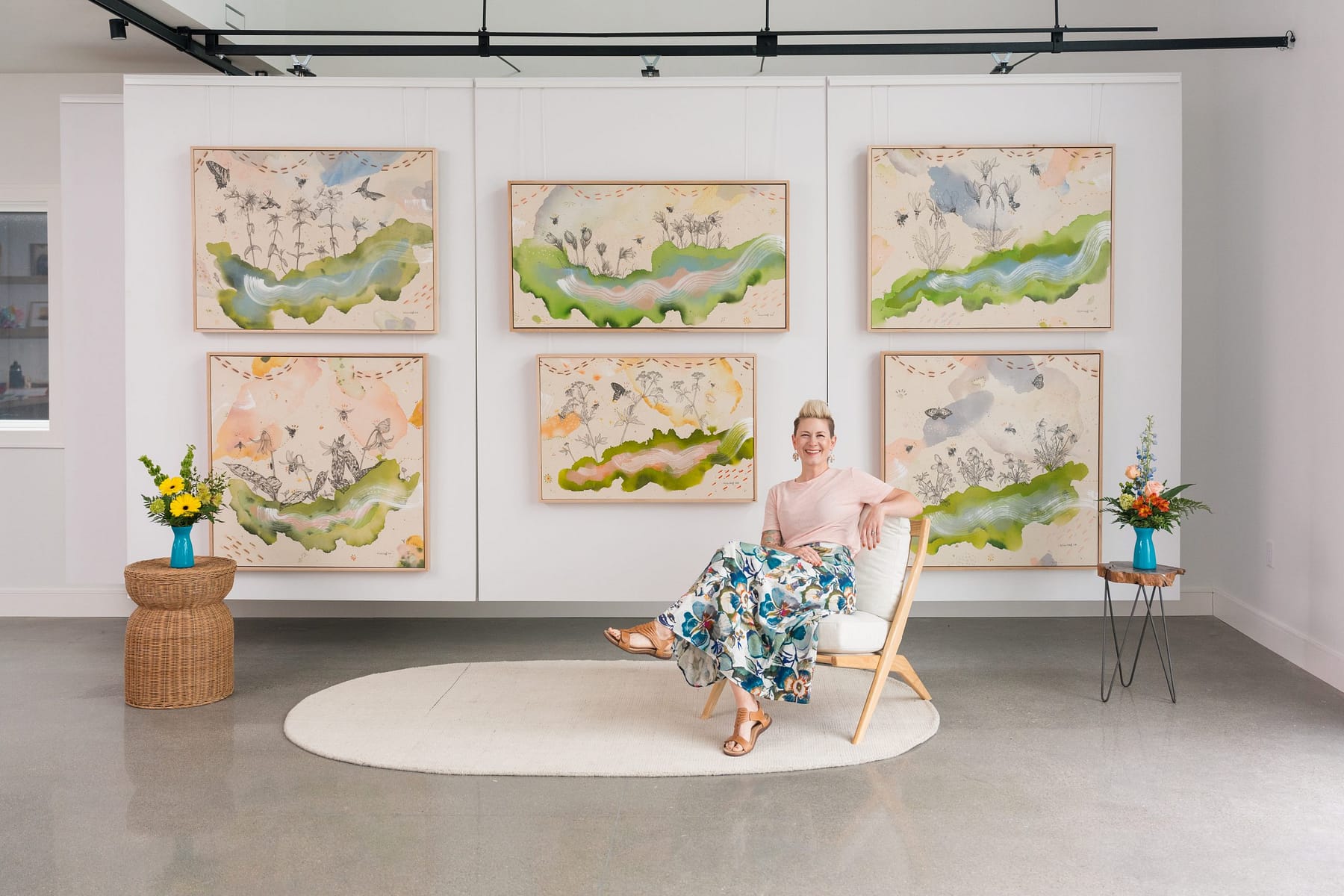
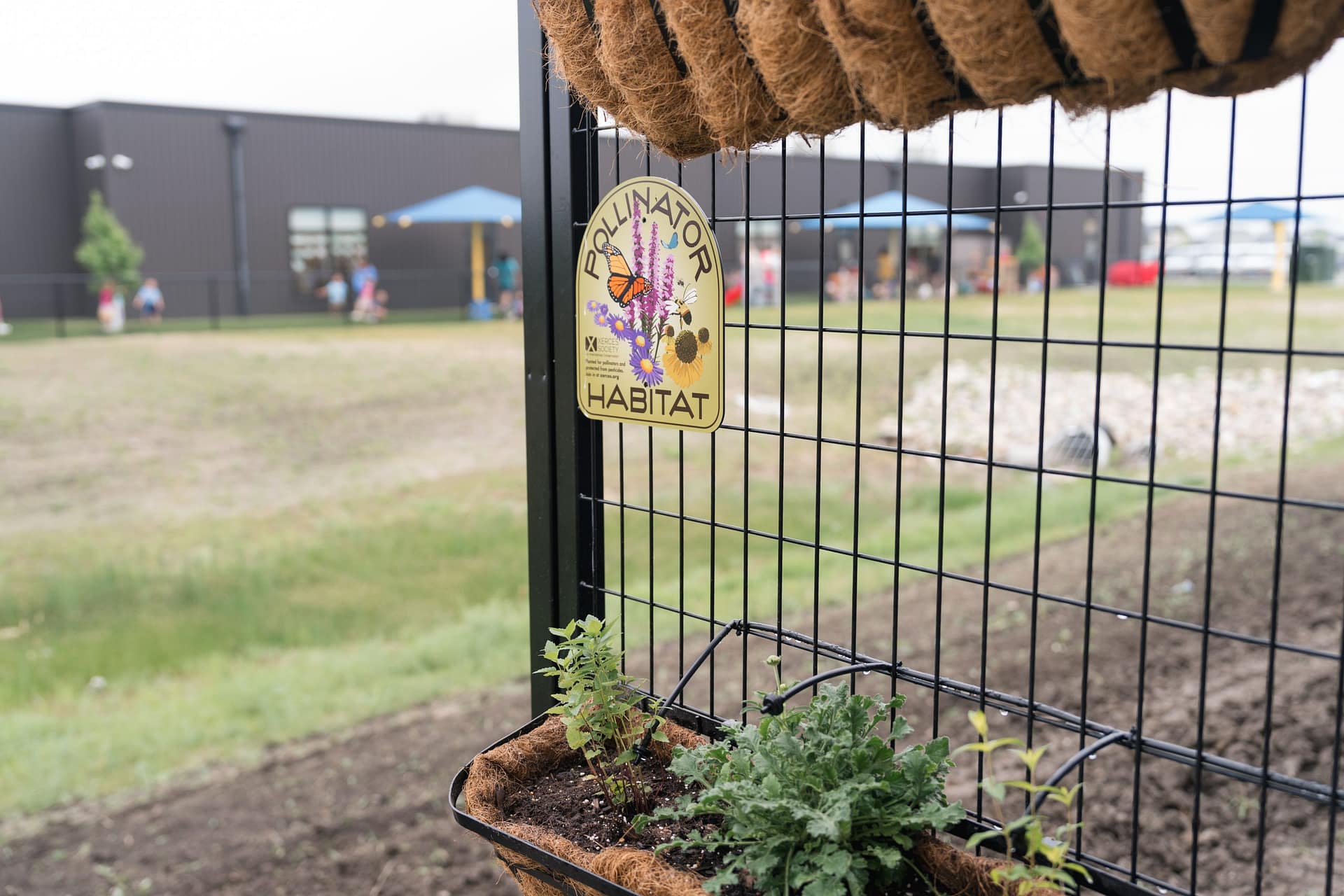
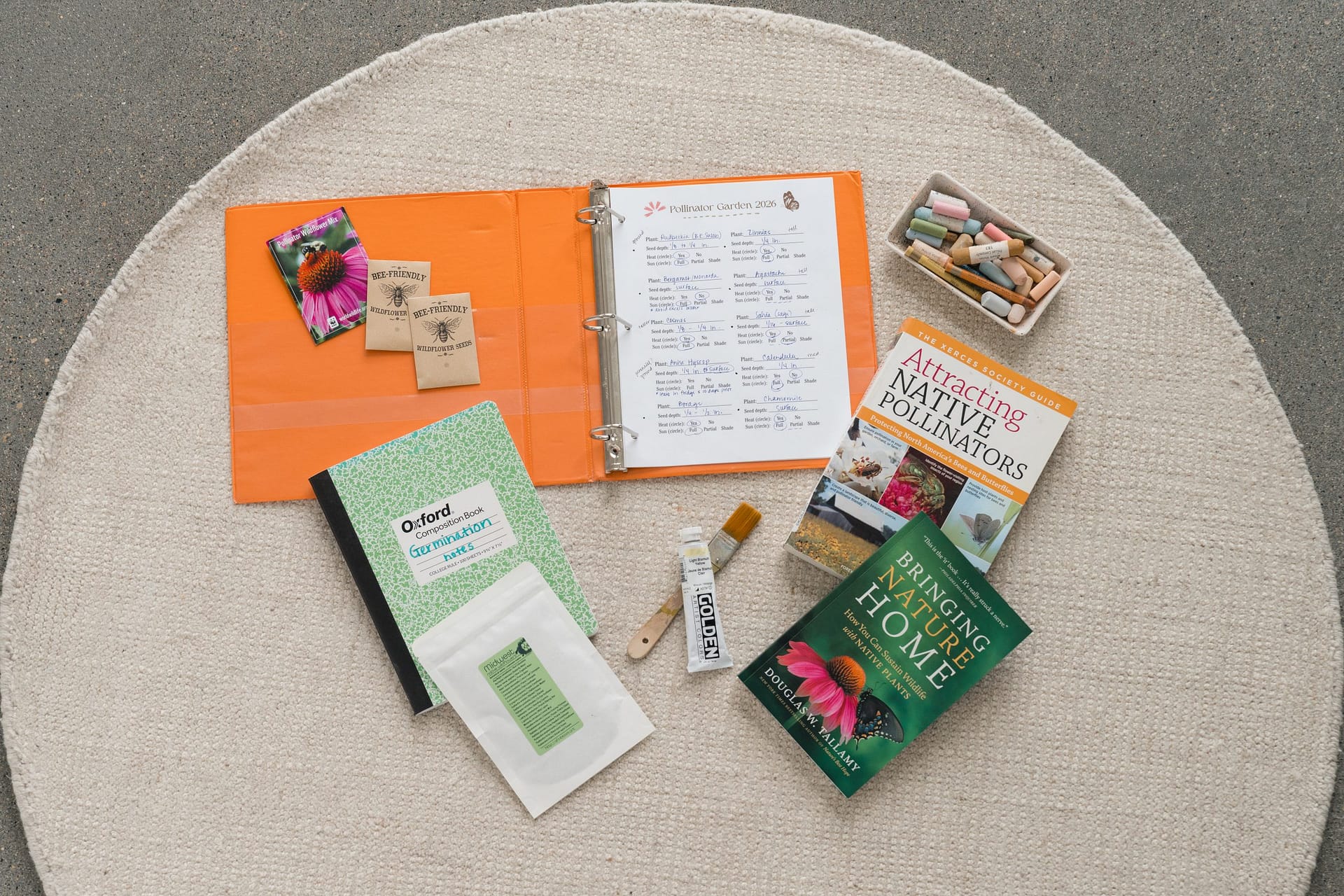
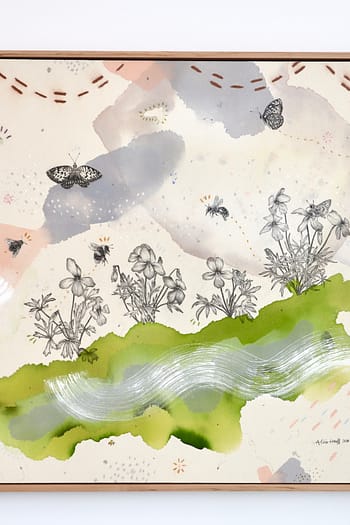
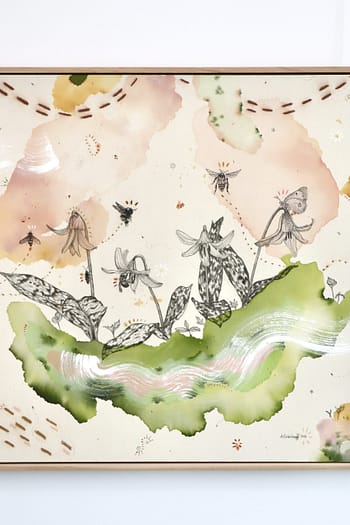
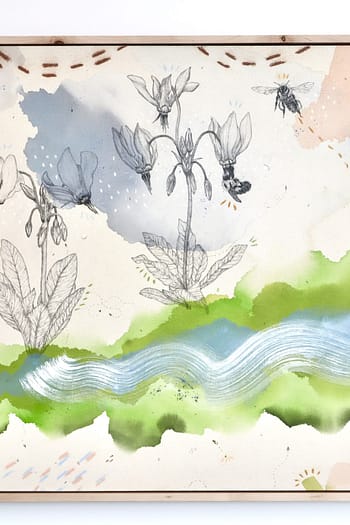
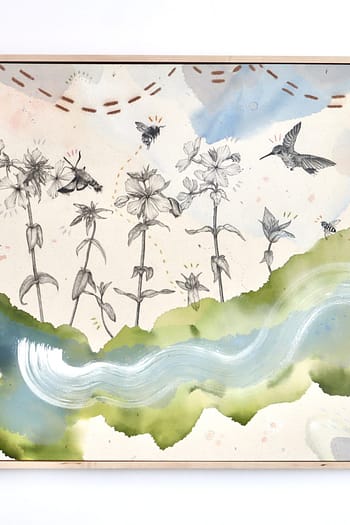
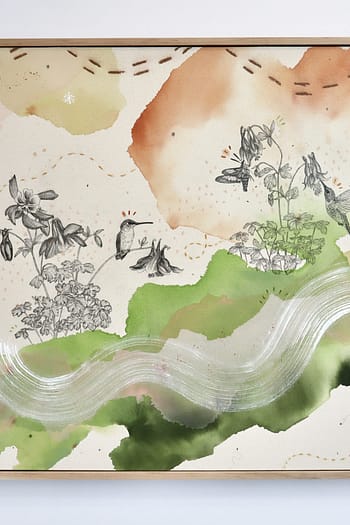
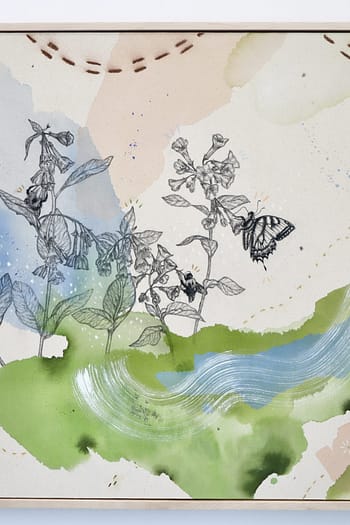
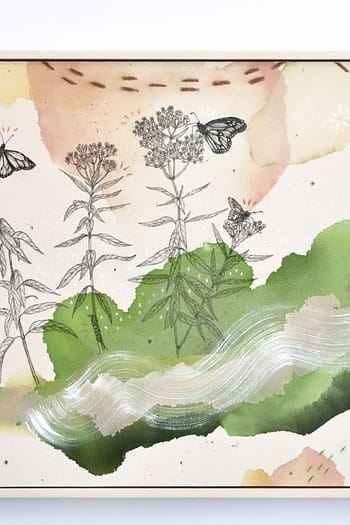
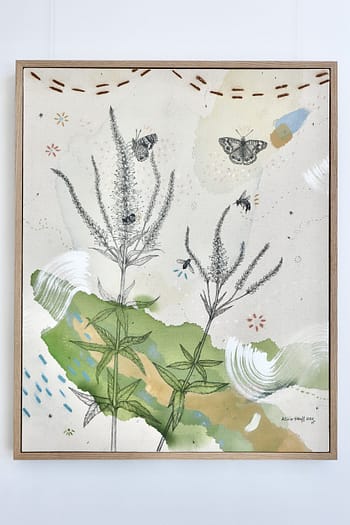
This series was not only the first in the new studio space, but the first to bloom with a very tangible offering and action: a pollinator garden. As the boys have grown a little older, I have had more time to plan, grow from seed, and plant several pollinator plants over the past few years. As we were planning the studio build itself, I knew then I wanted to build a vertical pollinator garden on the back studio patio.
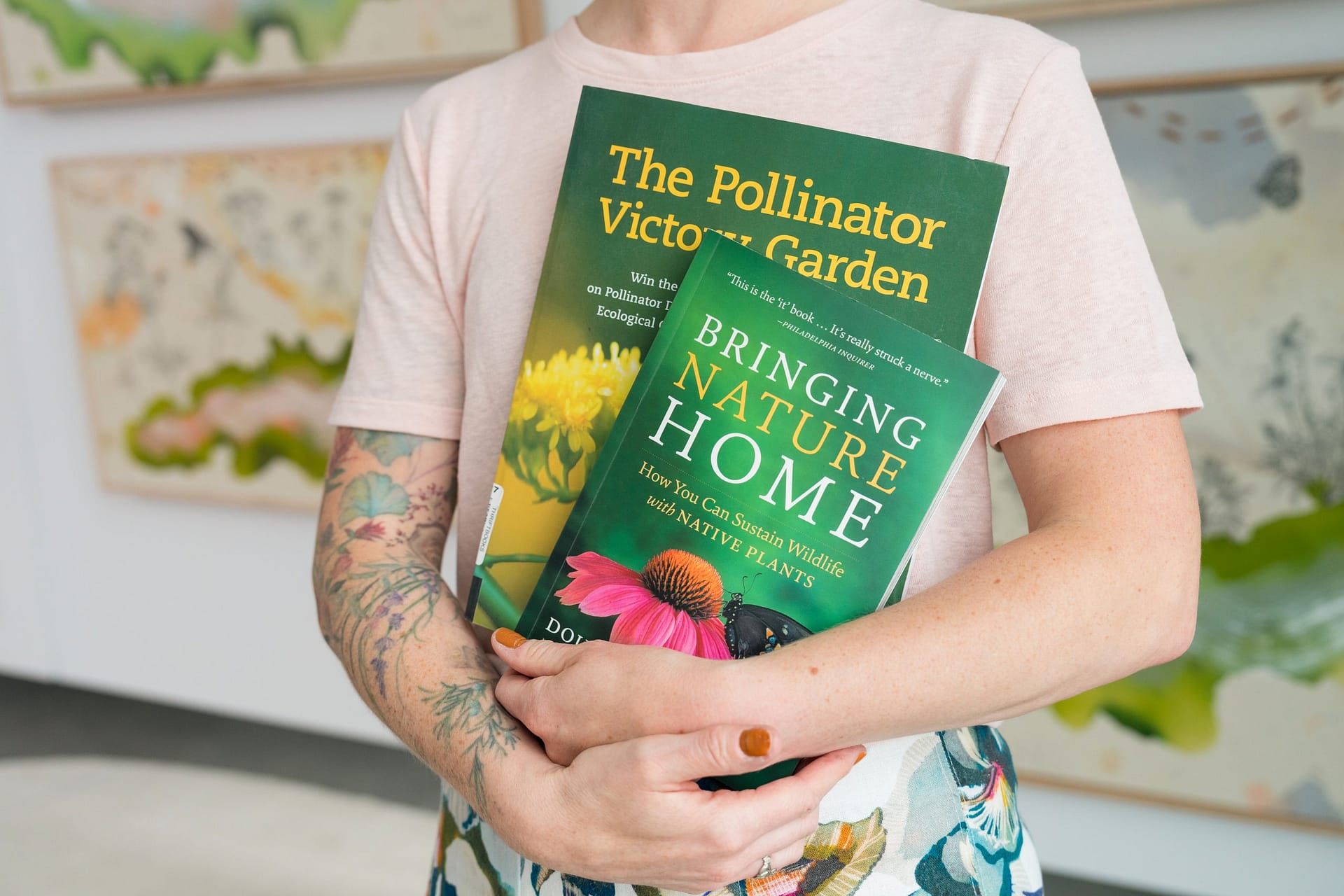
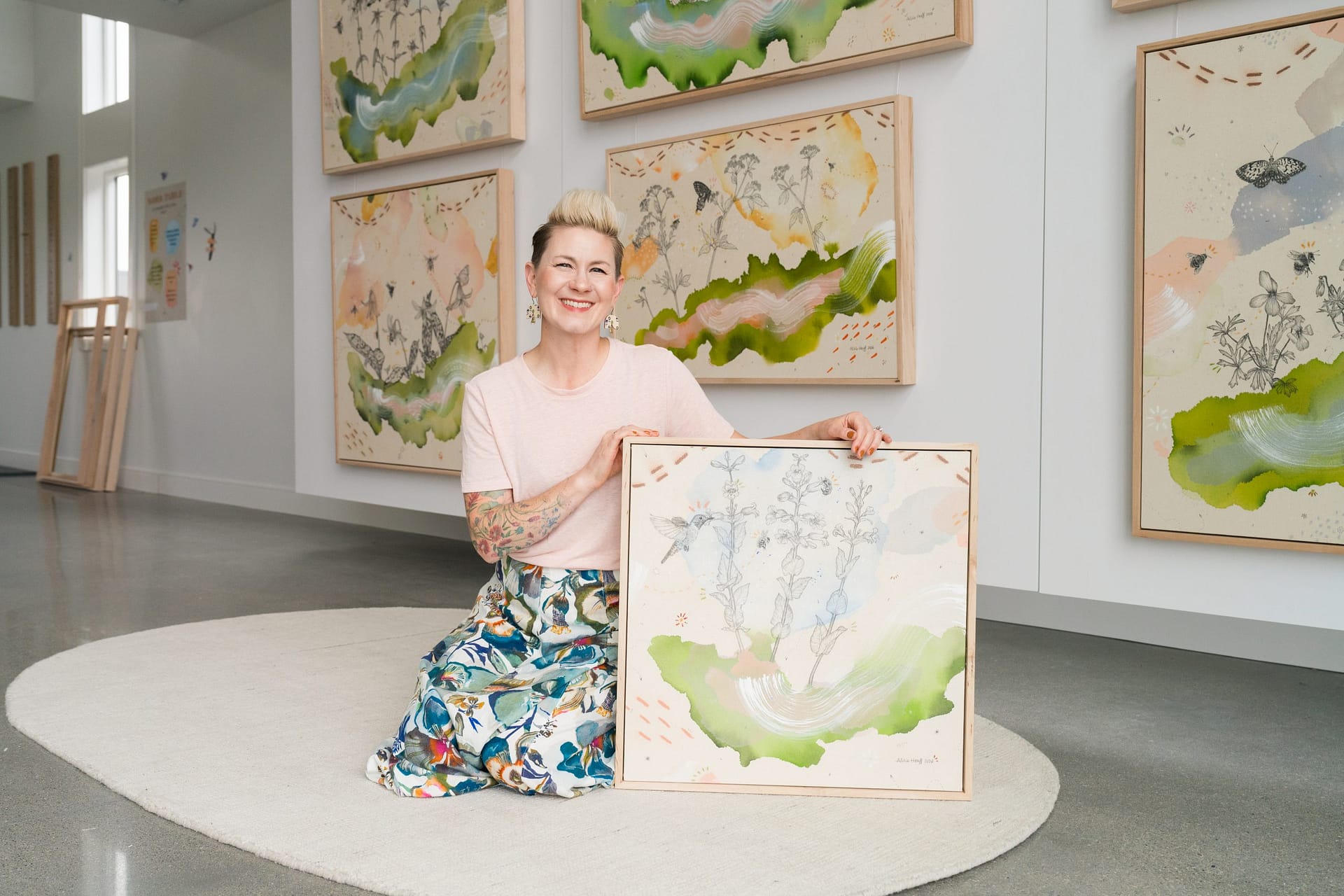
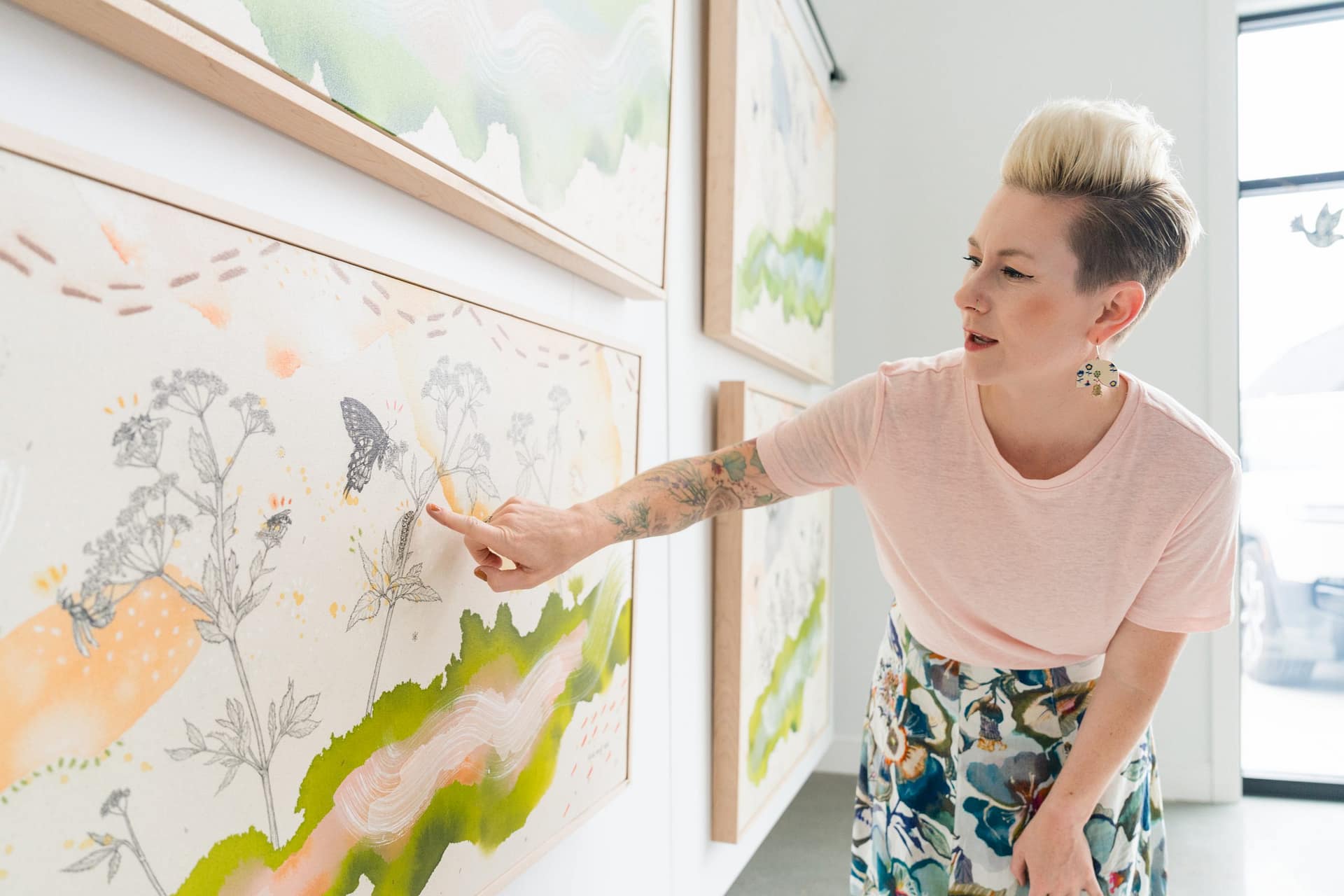
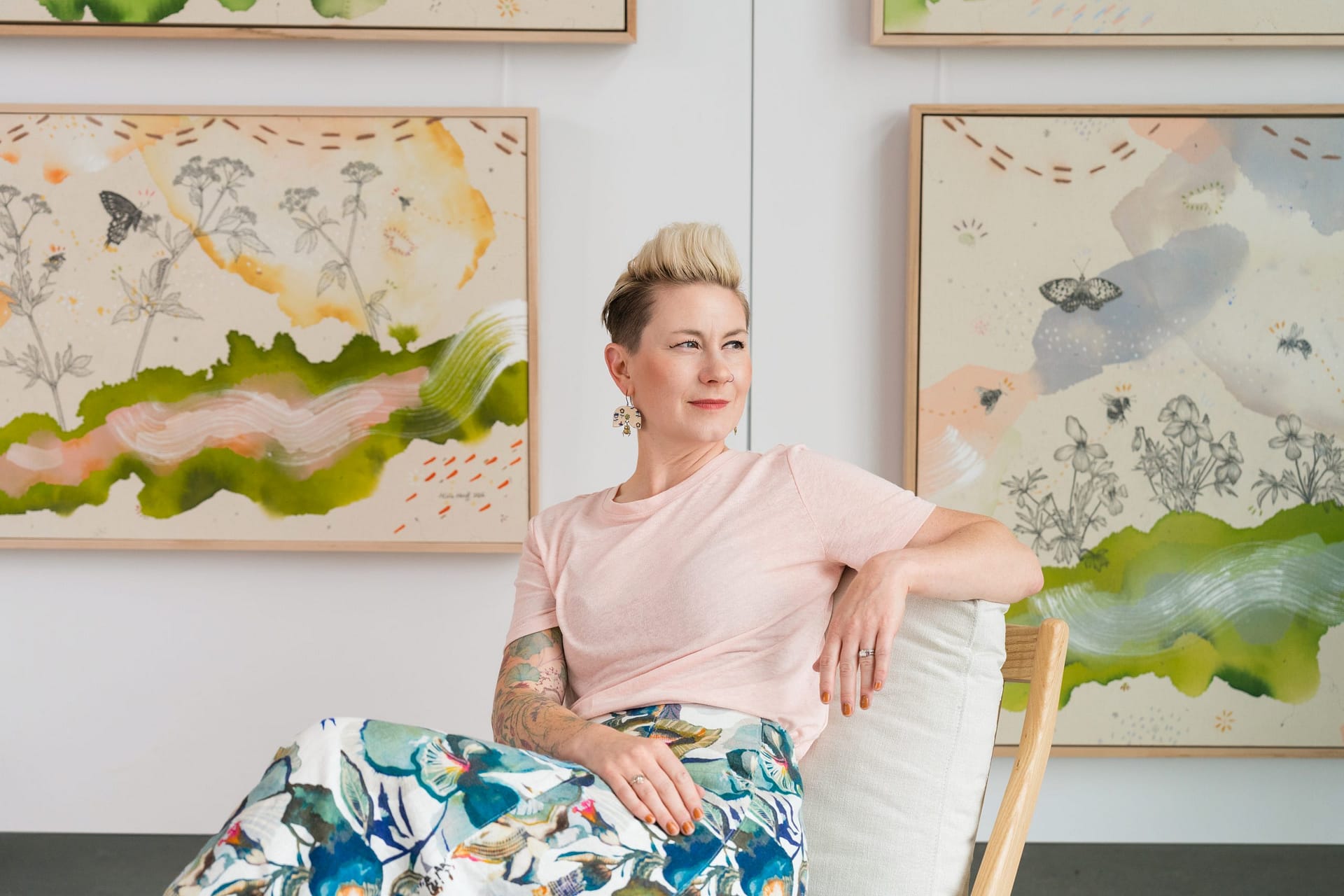
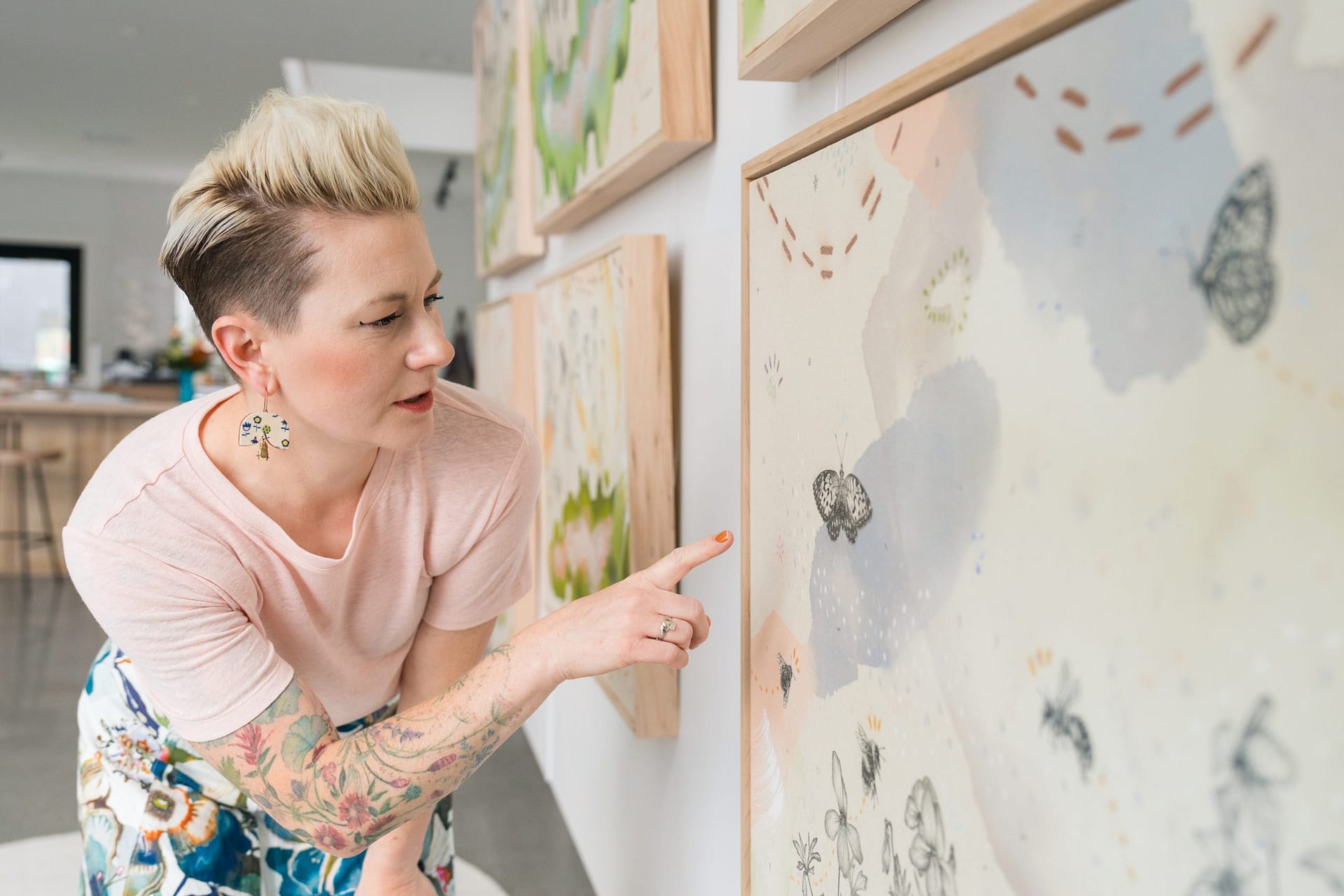
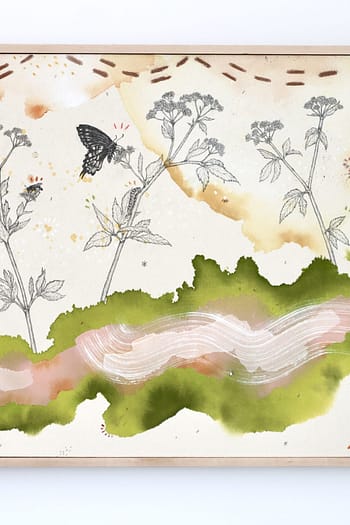
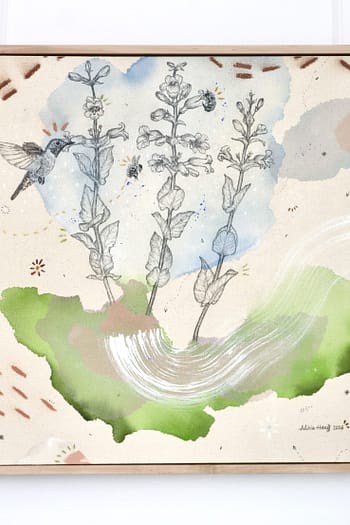
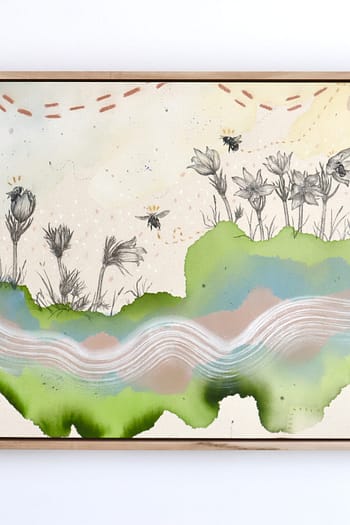
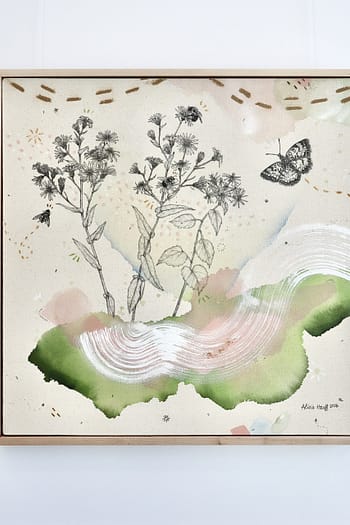
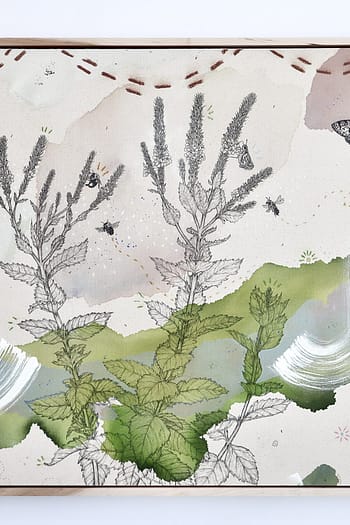
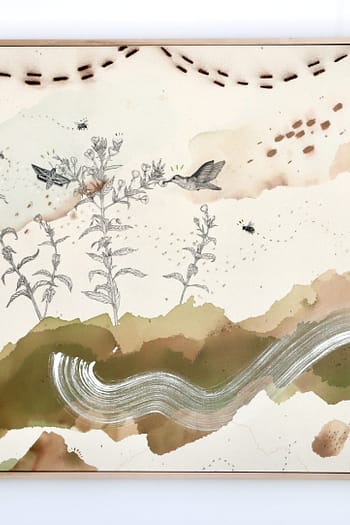
Serendipitously, I found the Pollinator Steward Certification program being offered in February by the Pollinator Partnership. I am still finishing the final modules and reading some of the additional books I thrifted. With the sheer amount of information and time I need to spend on this series, I decided to focus on pollinators this whole year. Part 1 focuses on spring native plants and their pollinators, and Part 2 will feature summer-blooming native plants and their pollinators. The first 6 pieces of this year flew to Atlanta for a group gallery show in March, and they all sold in a day! These are another 7 for this series. It's been a very busy time with exhibitions.
Though I will touch on this more in the coming months, Part 2 writing will discuss what pollinators are facing and how we can help. I wrote about some of these things to my email subscribers, and will feature content on my Instagram for Pollinator Week (June 22-29!).
Prints are also on the way. It takes time to get them just right, but good things take their time.
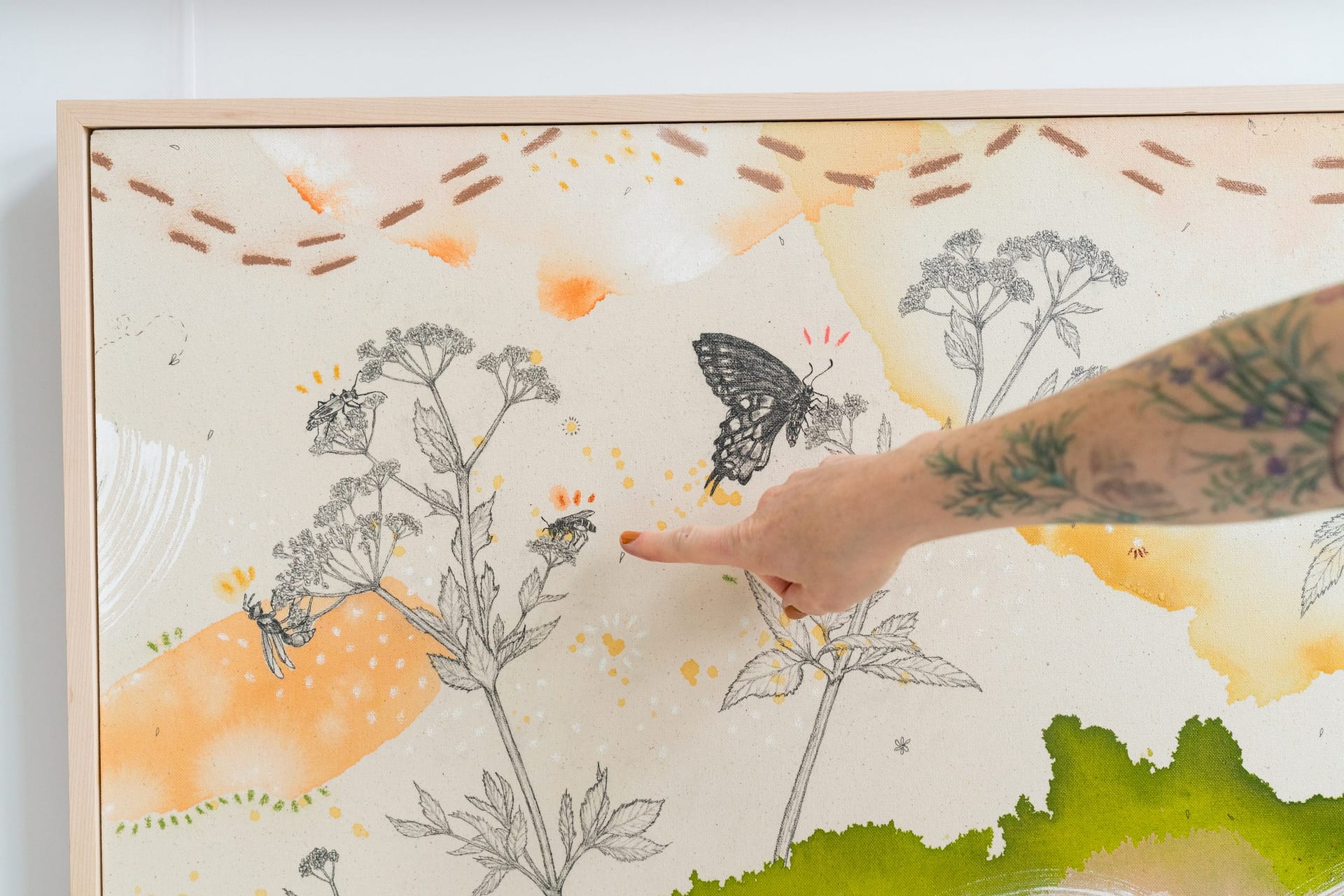
Each piece's description features information from Prairie Moon Nursery (based in MN) and Prairie Nursery (based in WI) and pollination facts. I researched flowers with the question, "Who pollinates ___ plant?" The colors are vibrant, like the florals and pollinators themselves.
The videography and photography are always additionally phenomenal works of art for each series, and were both done in the studio this time. This year was the first year I spoke on camera, as part of the certification is 1) educate and 2) build habitat. I worked with Nick Deraney of True North Media once again to capture this. Britta Trygstad of BTP (Britta the Photographer) captured photos of me talking about the pollinators in each piece and some signature photos with my work. I appreciate Nick and Britta more than they know, even though I try to tell them many times a year.
“Paying attention is a form of reciprocity with the living world, receiving the gifts with open eyes and open heart.”
― Braiding Sweetgrass: Indigenous Wisdom, Scientific Knowledge, and the Teachings of Plants
With much love for our neighbors and this beautiful Wild Earth Mother, Alicia


"Know the ways of the ones who take care of you, so that you may take care of them."
-Robin Wall Kimmerer
- All
- Uncategorized
- Art
- Art media
- Gift Card
- Home/Office
- Original painting
- Studio Sale




























Thank you for being here!
Video and Photography Credit