
Alicia Hauff Studio
Mixed Media Fine Artist in Fargo, ND
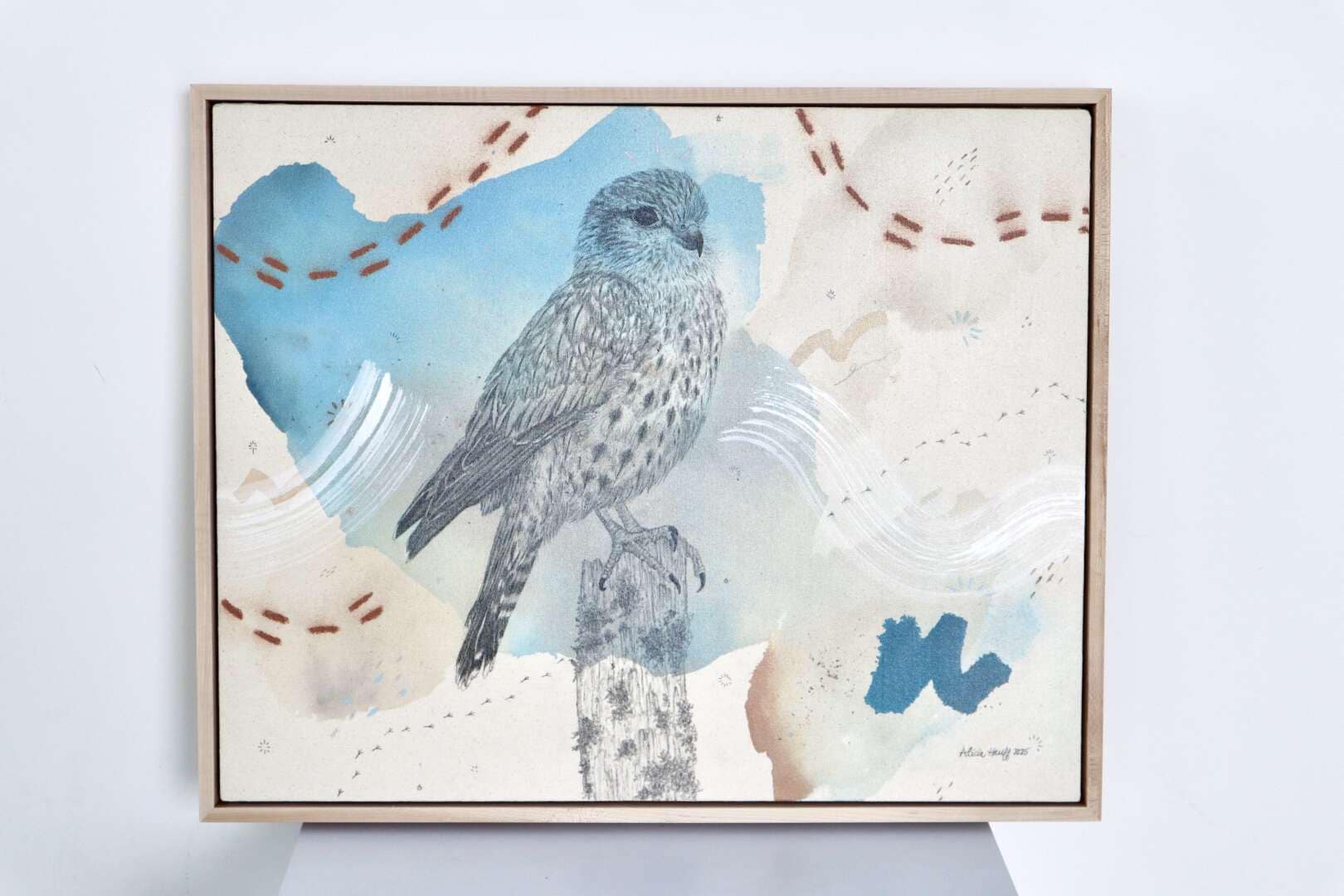
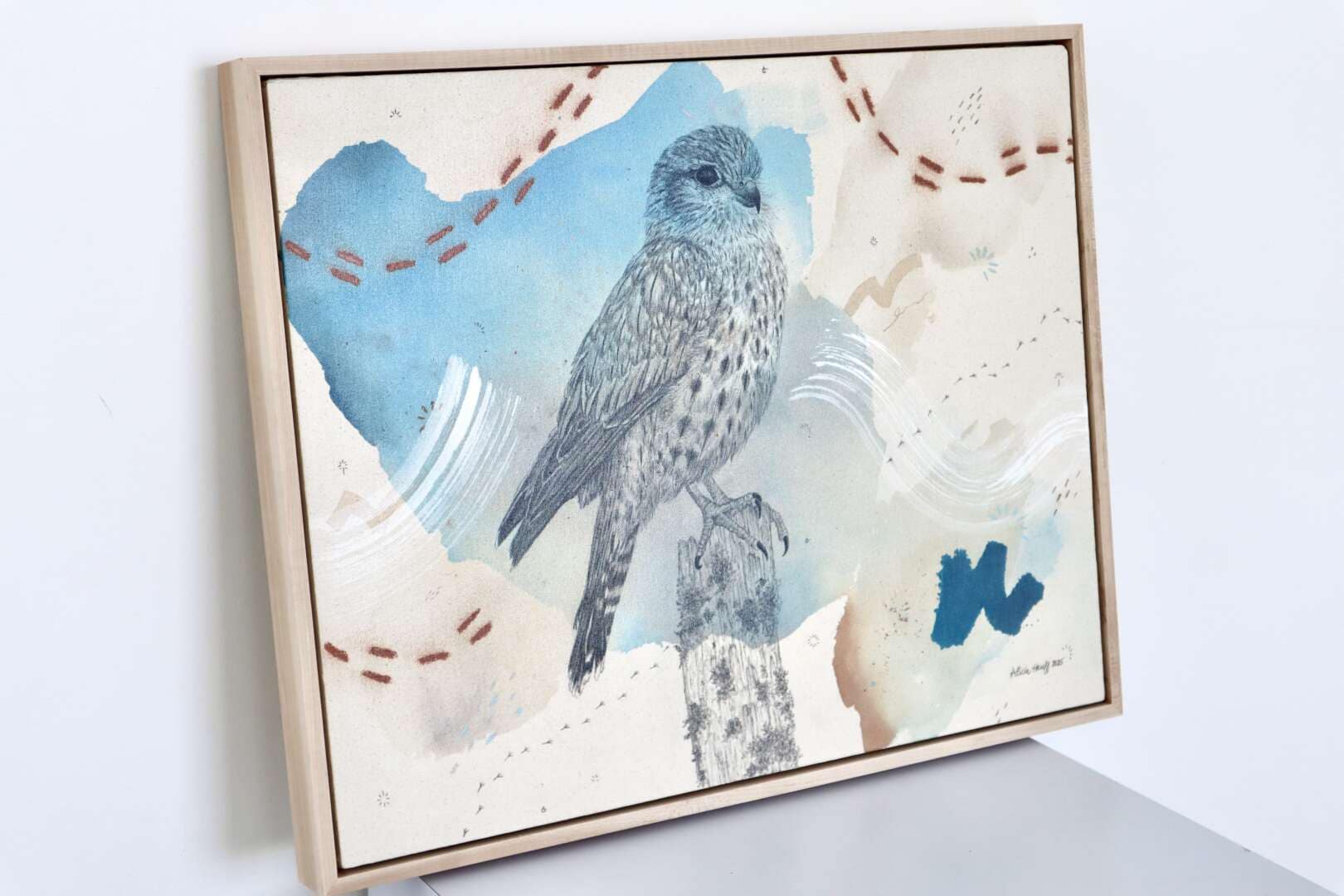
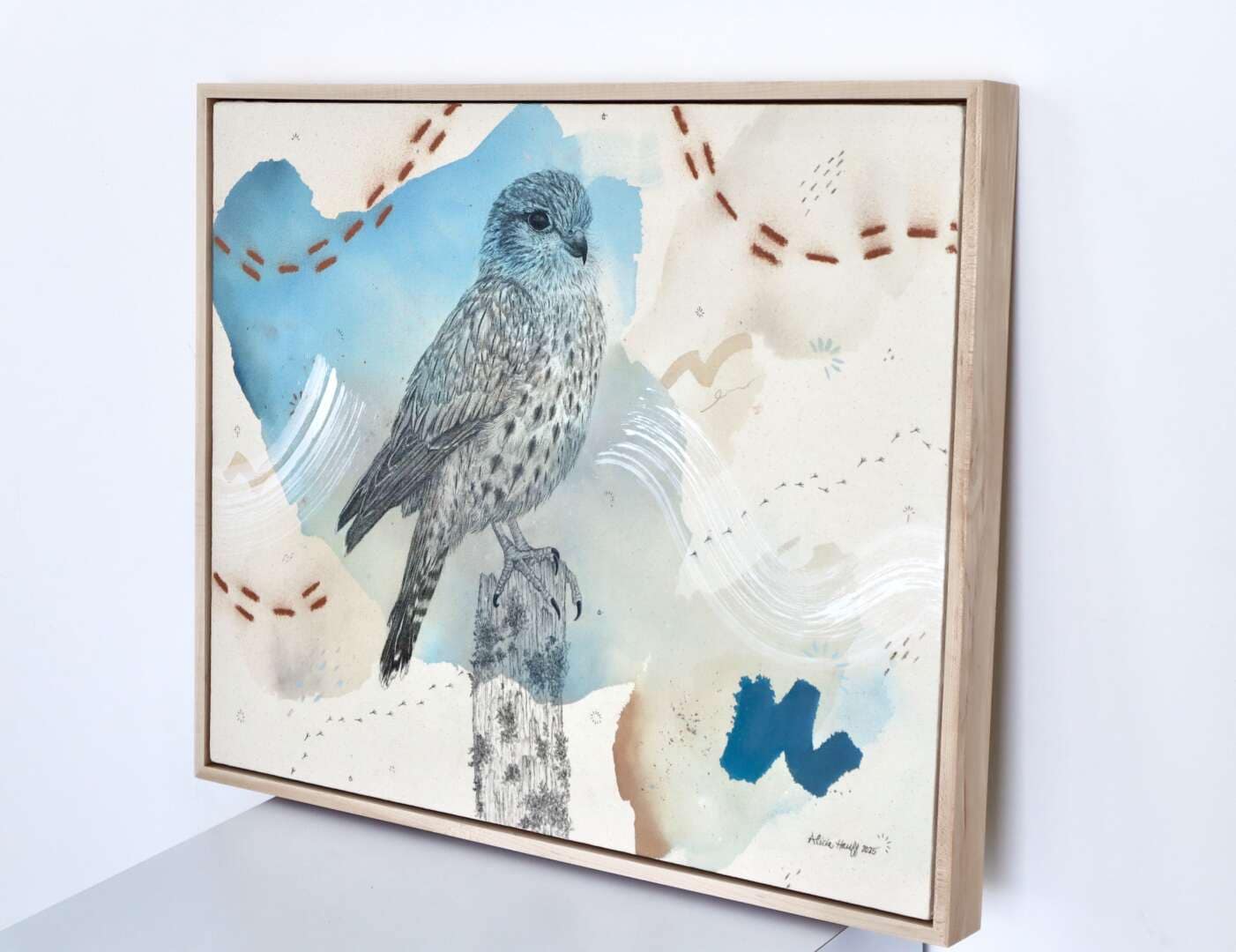
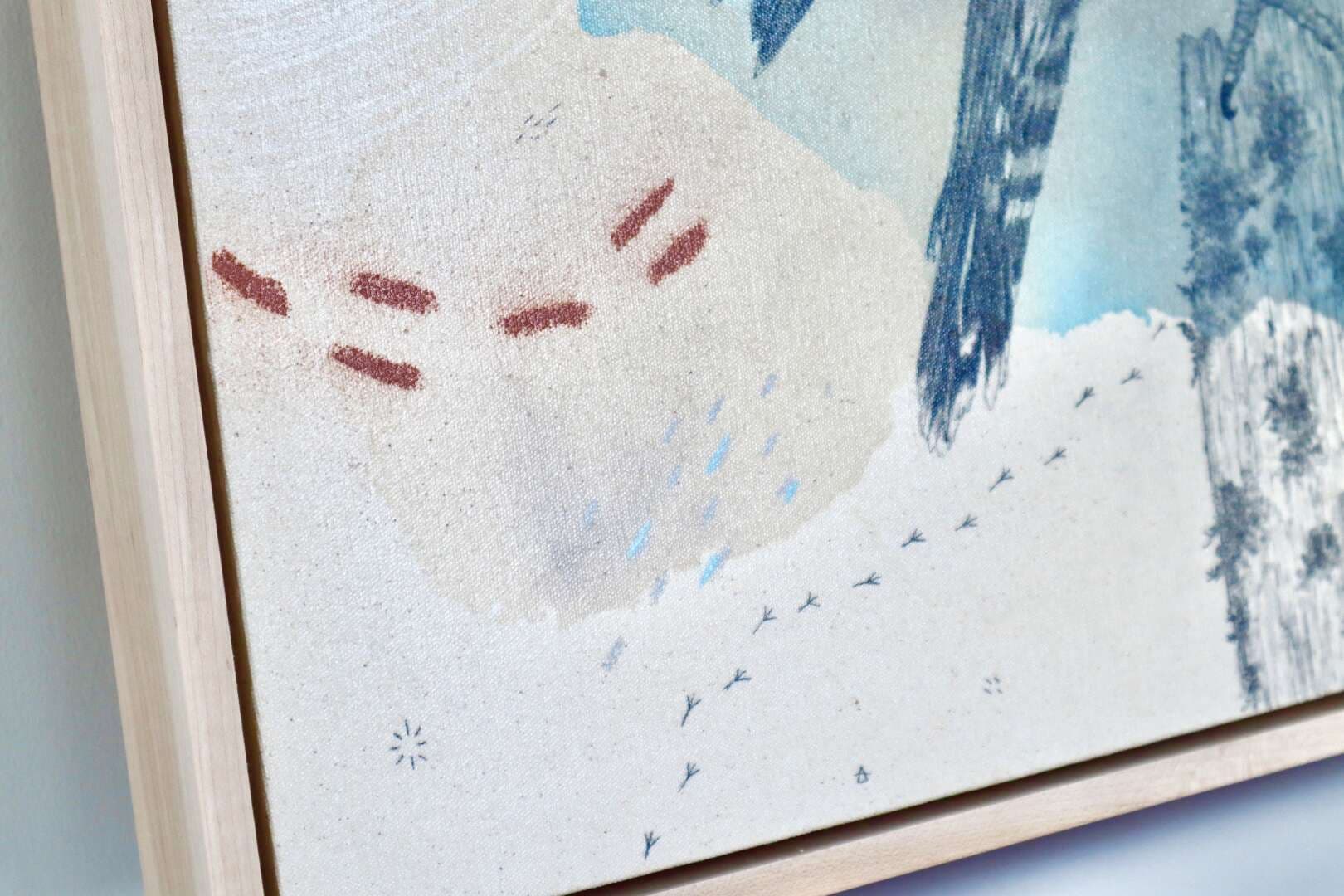
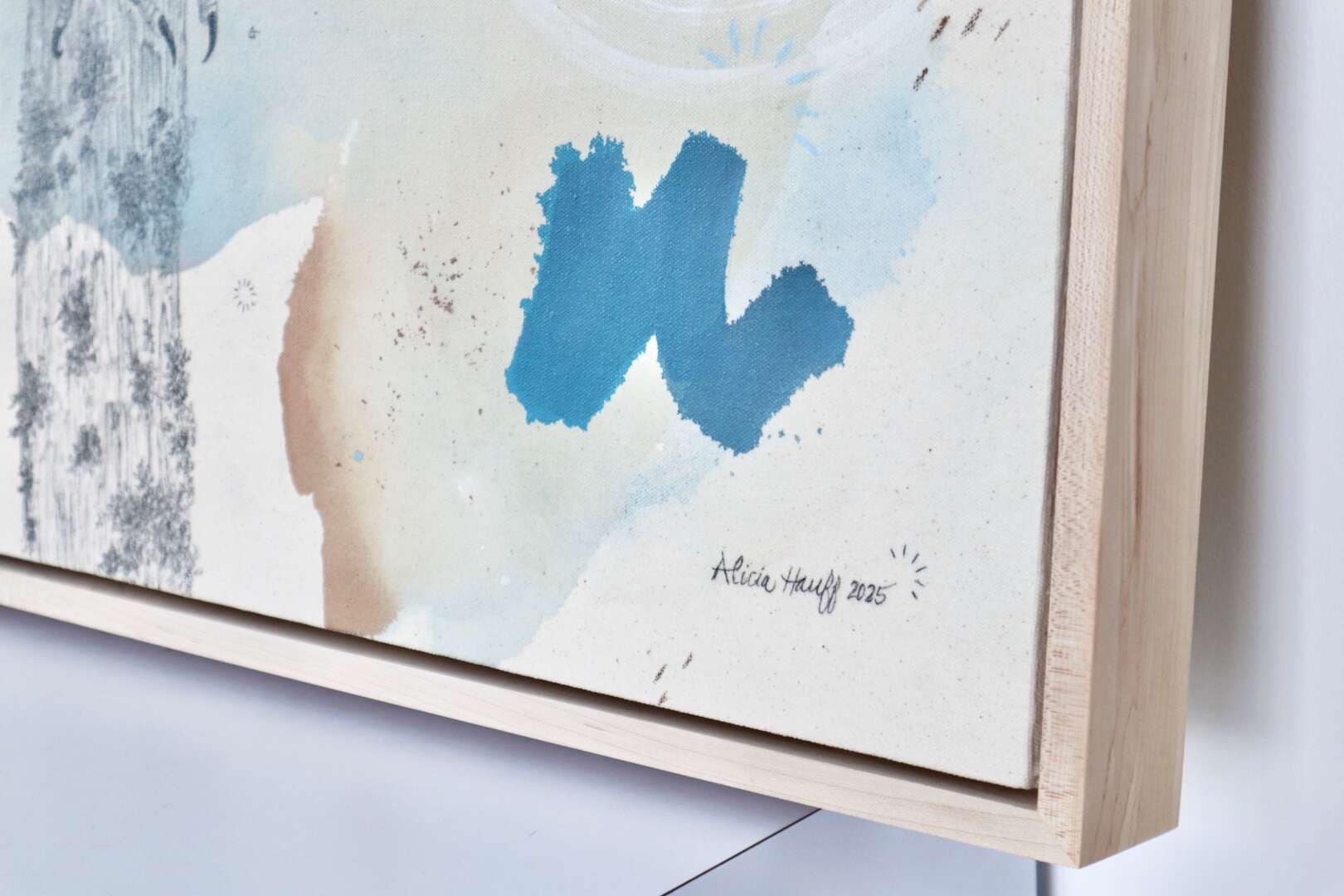
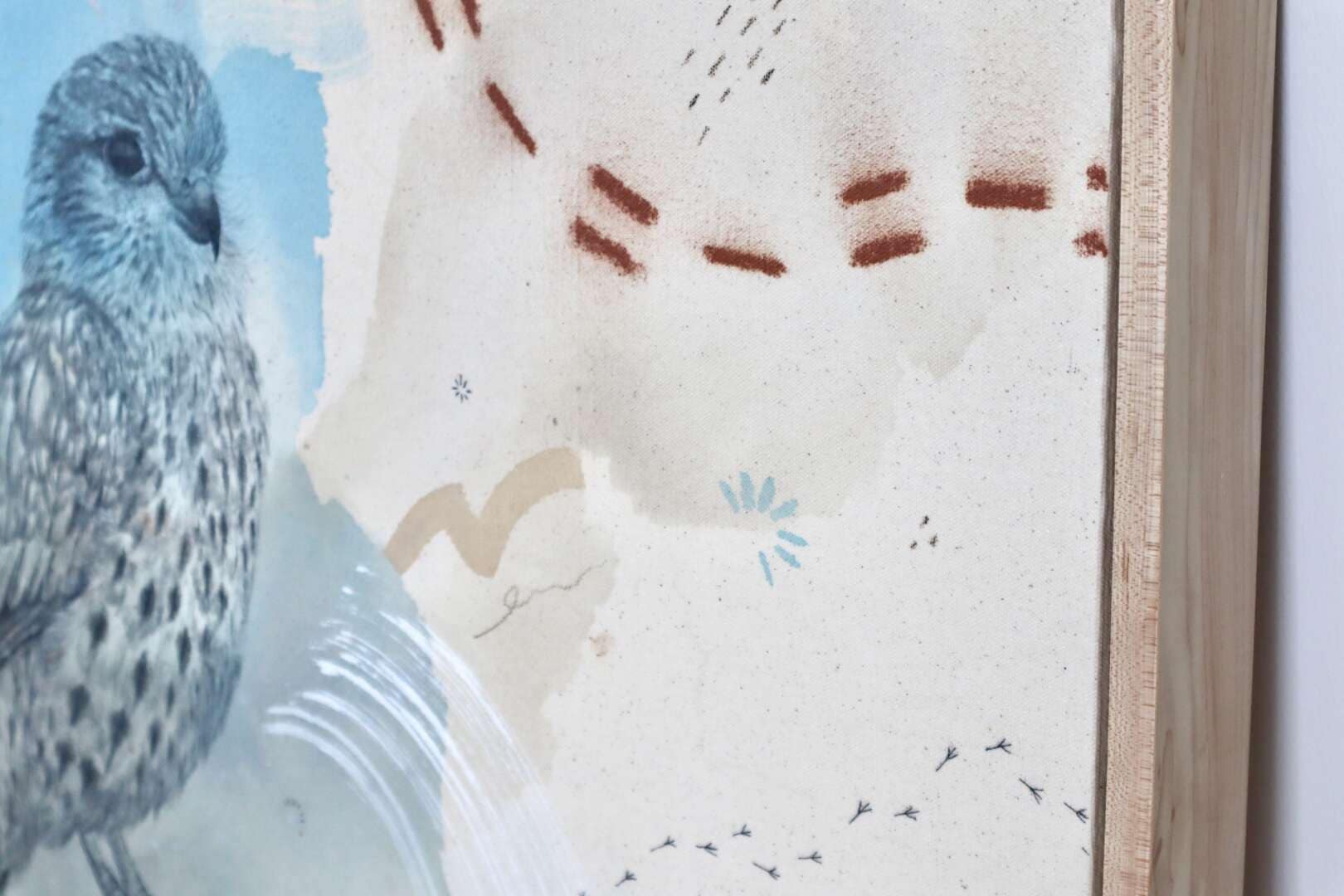
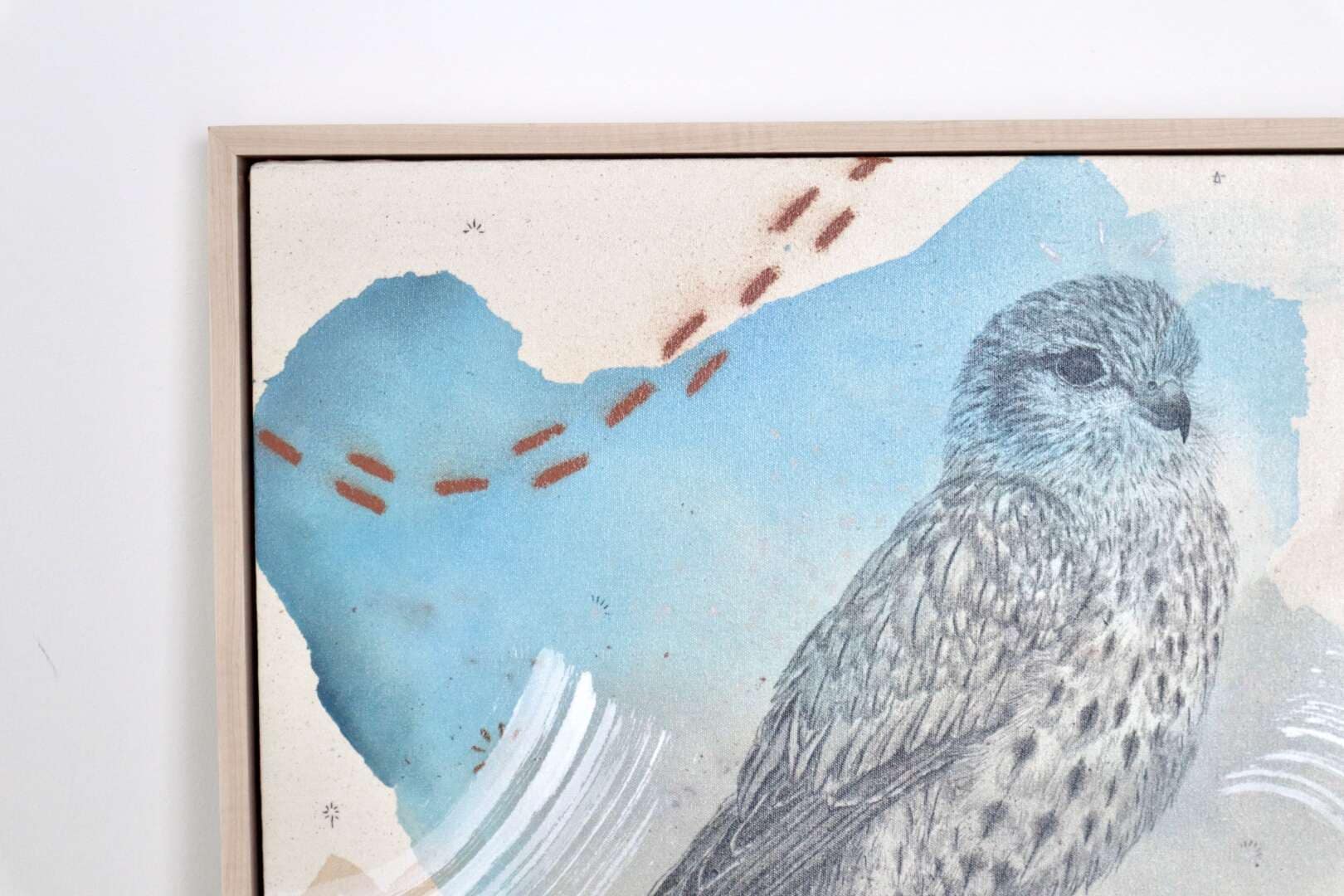
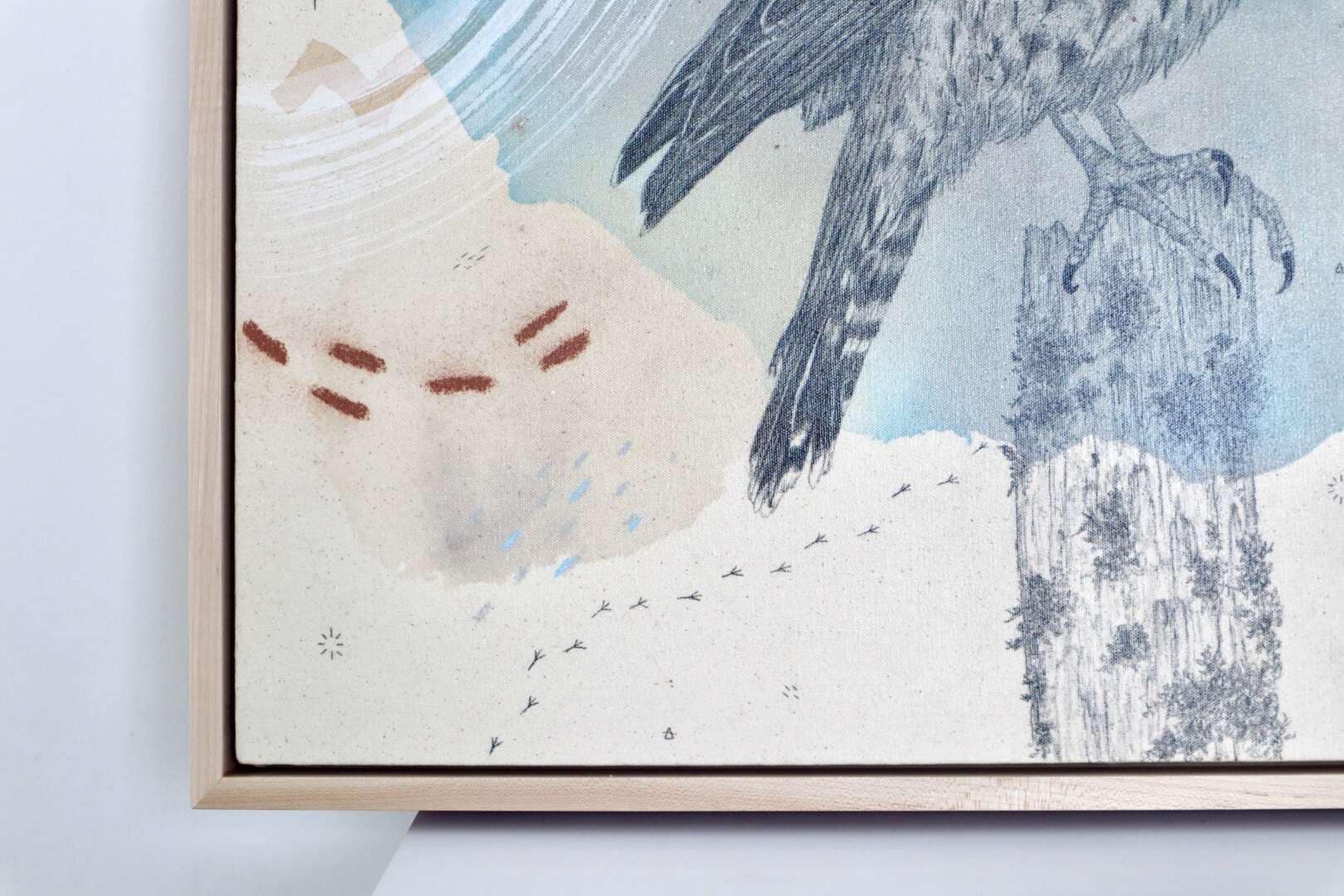
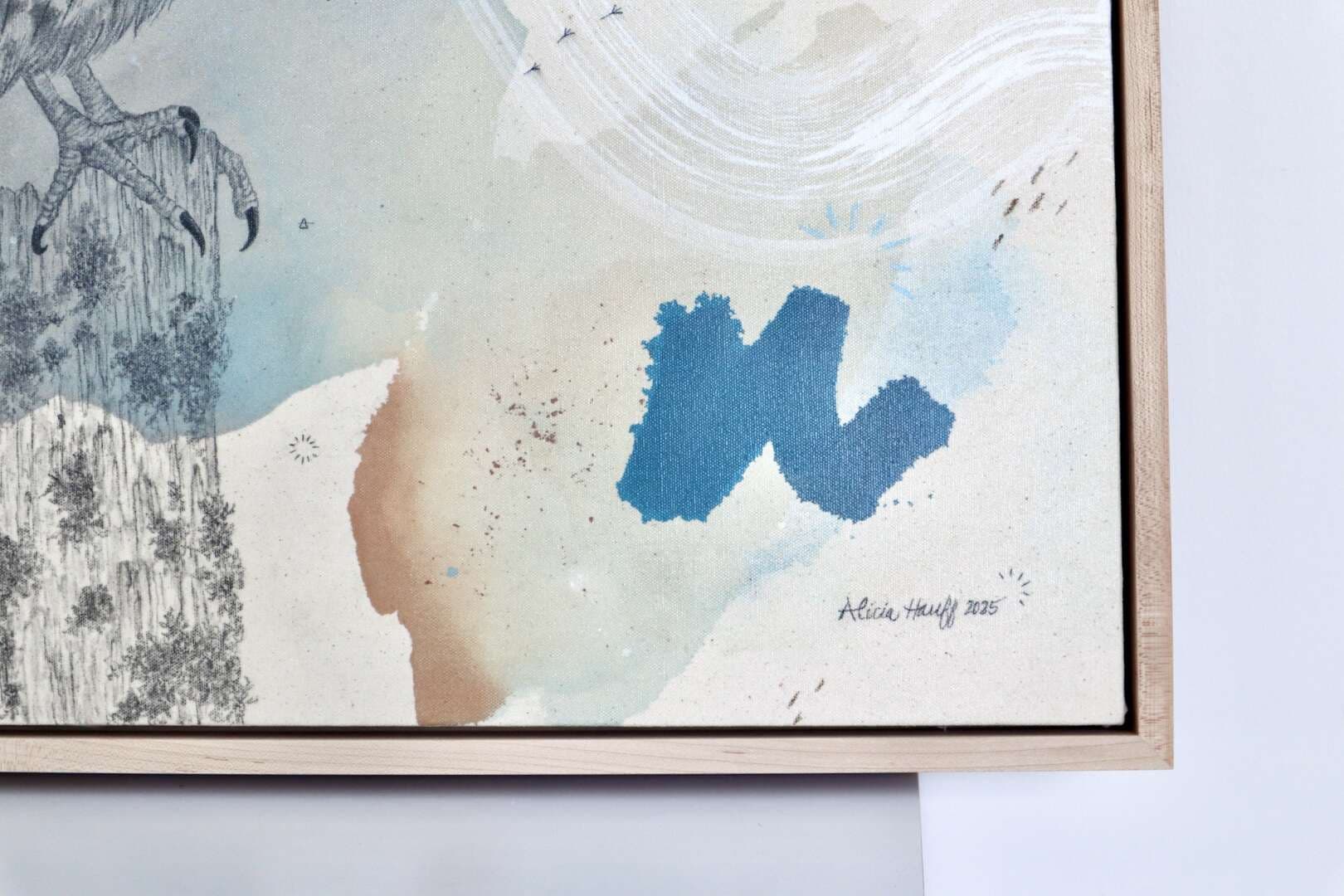
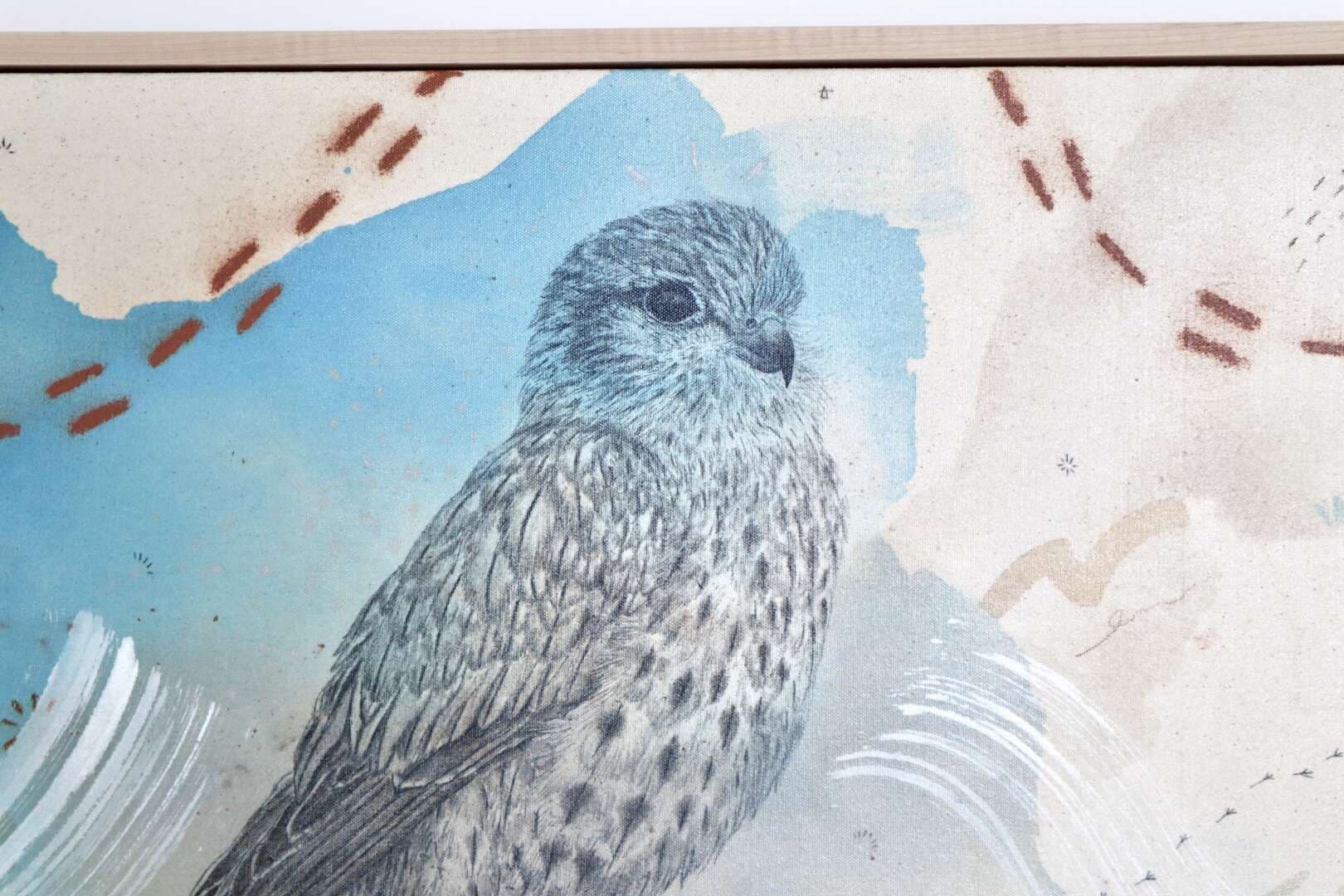
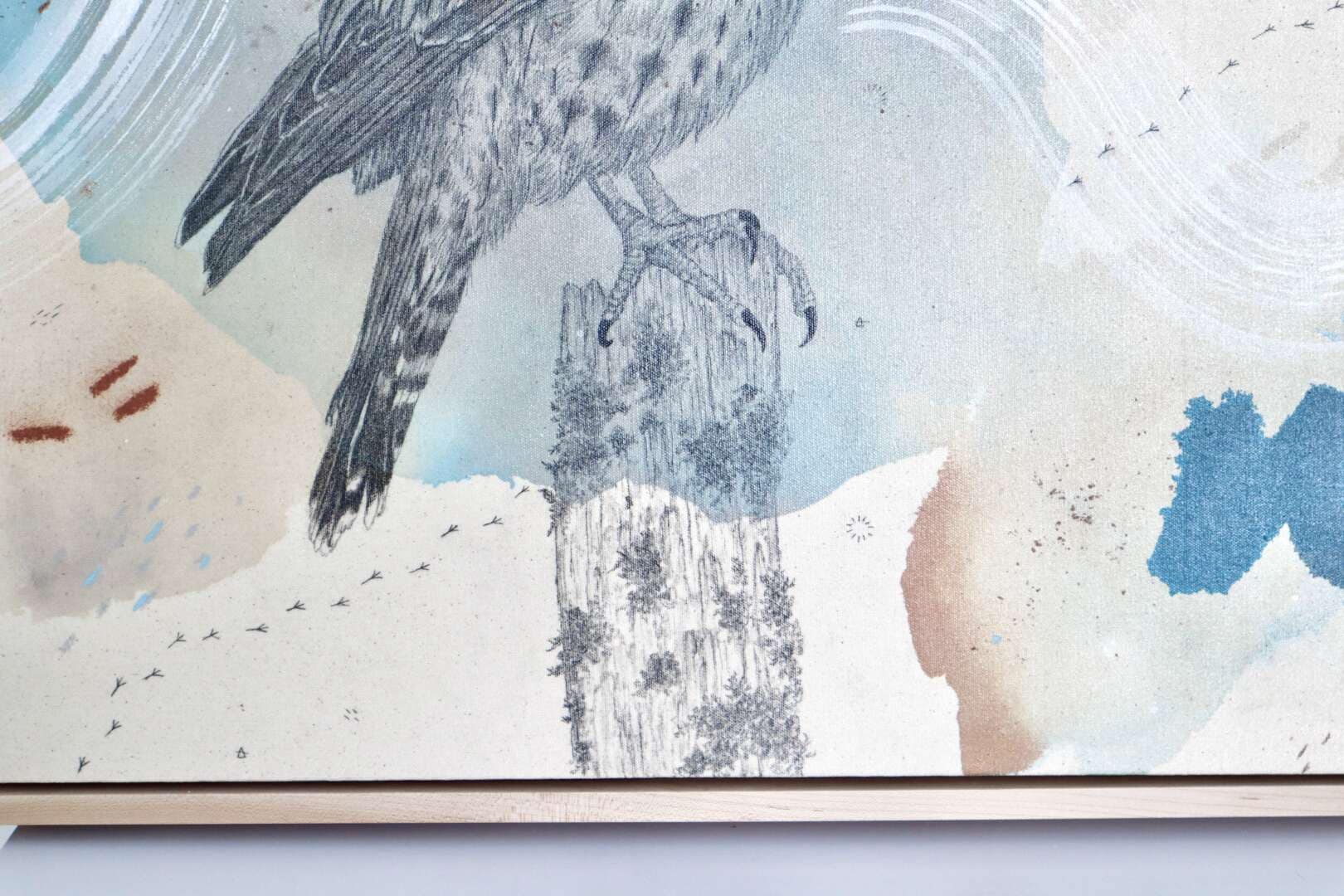
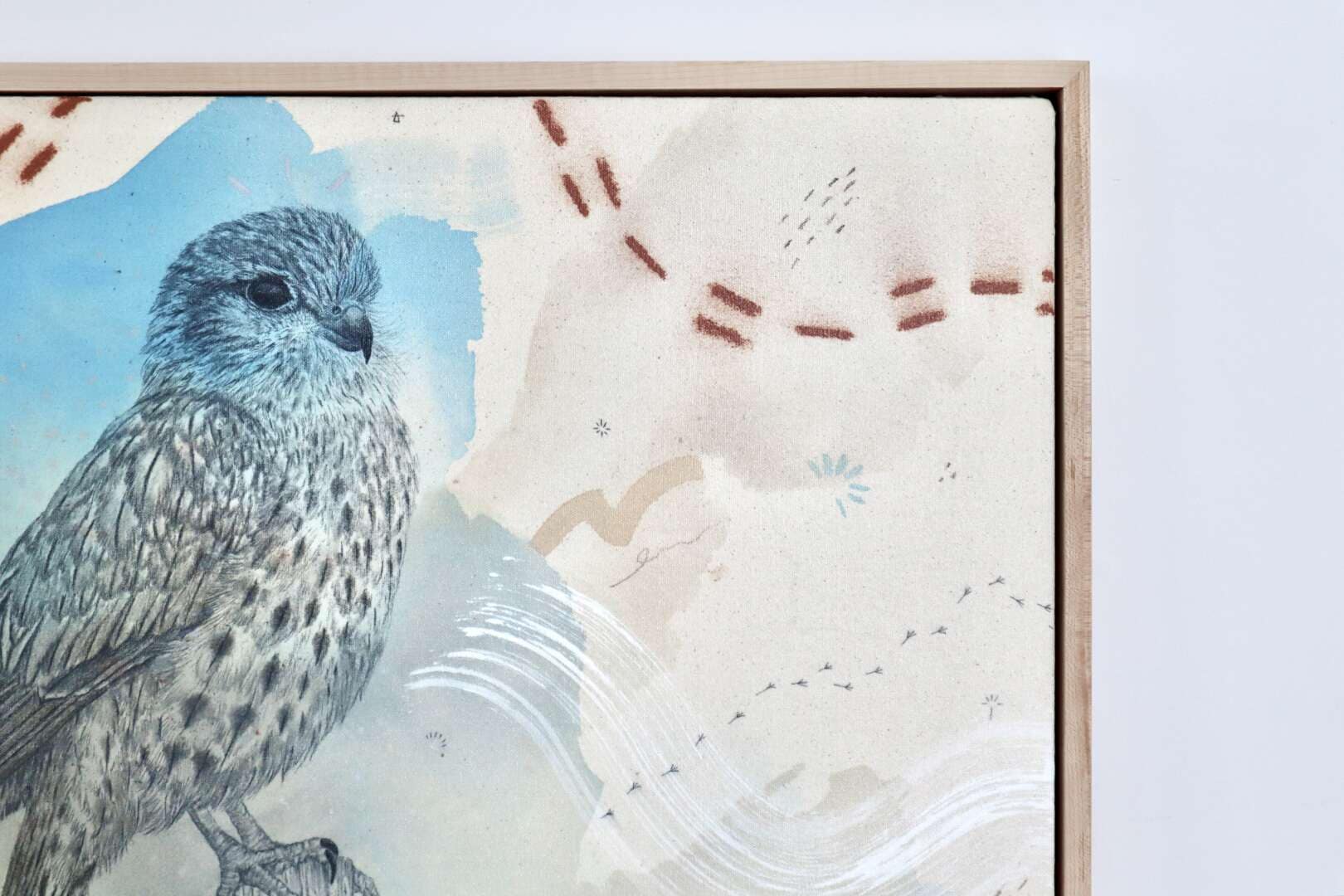
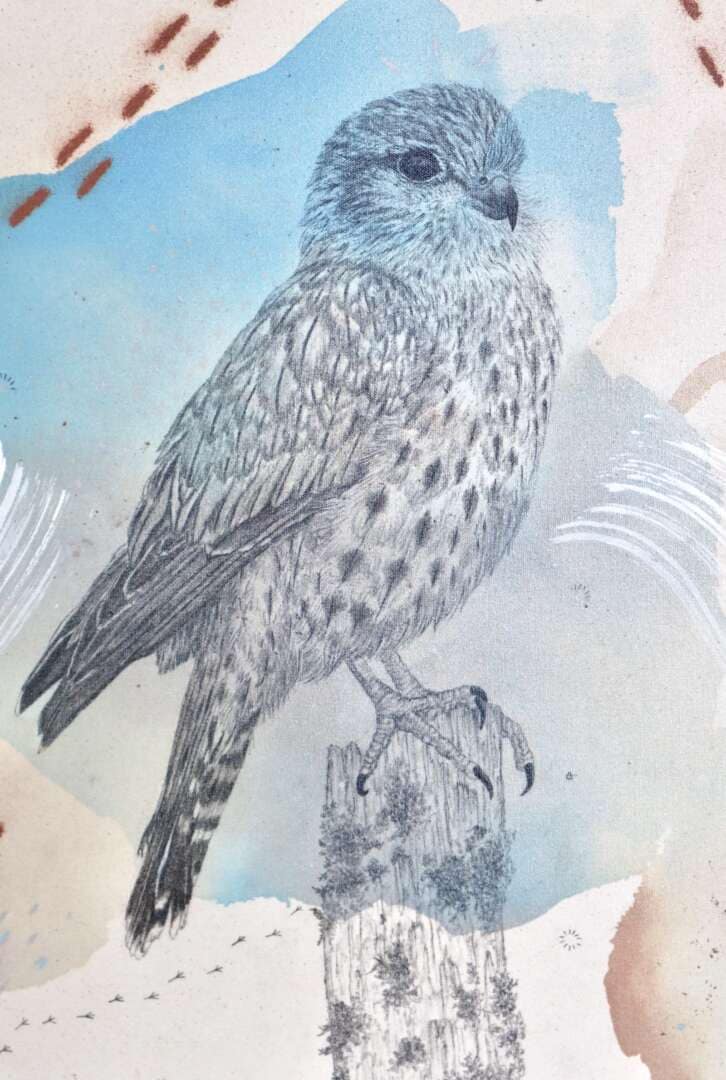
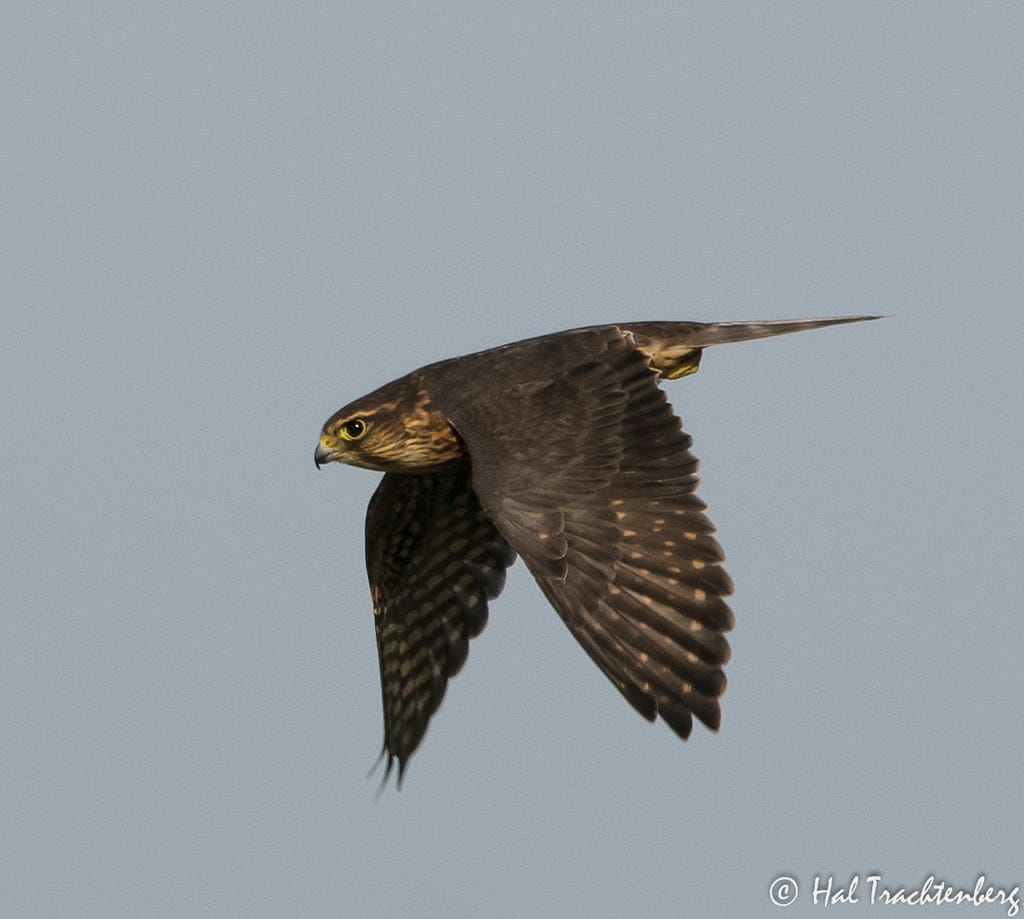
“Merlin, Small in Size, Large in Character”
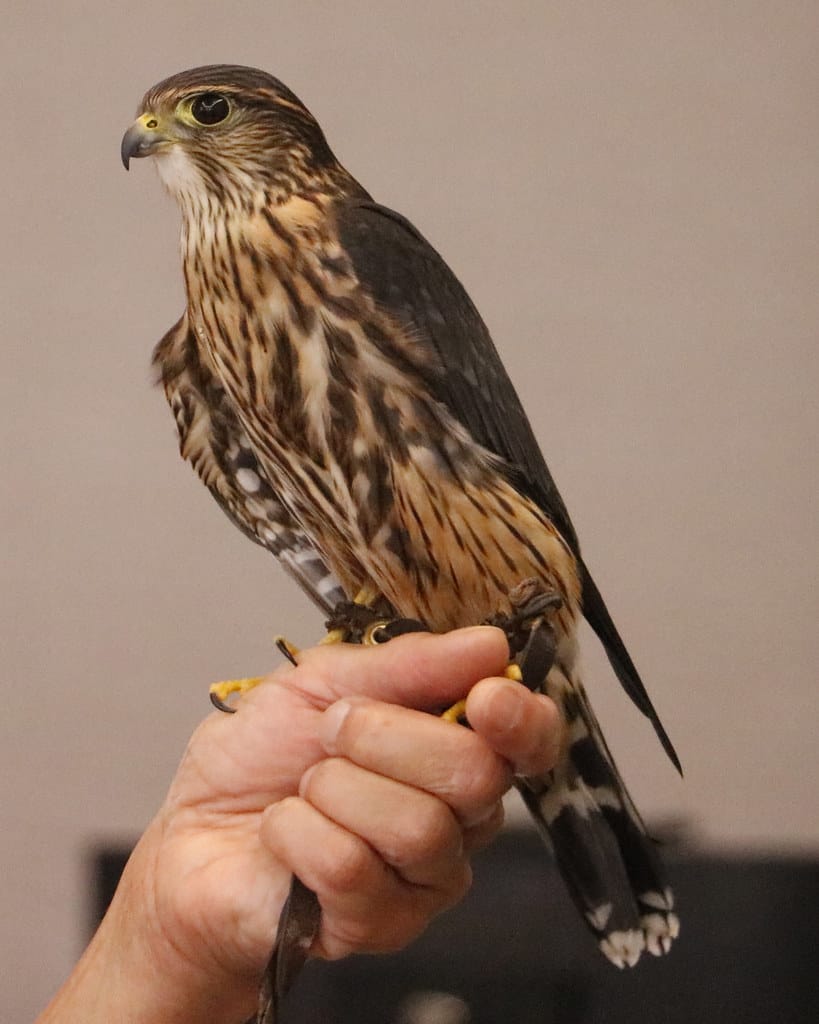
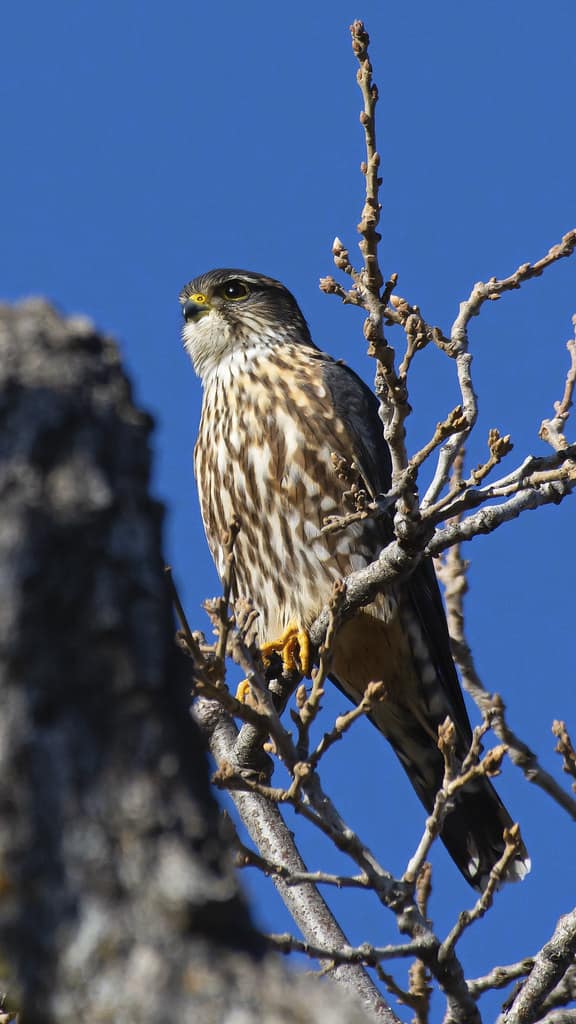
We may not have to travel at all to meet this bird: the Merlin falcon. This falcon’s name comes from the old French word esmerillon, or the Anglo-Norman esmerilun, which means… merlin. Though unrelated to Merlin the wizard, these falcons are still full of magic and wonder with their swift, agile surprise attacks; or, they perch on your rooftop, and a screaming Robin will alert you that he’s present. Merlins are widespread, particularly in migration and winter, but seeing them is unpredictable. They have two modes: scanning open areas patiently from a treetop, and cruising at top speed in pursuit of small birds. I witnessed this in action this summer. Within several seconds, a Merlin was flying at top speed, maneuvering around trees to seize a songbird of some kind–crashed into a brick house–and resumed the pursuit after a moment of recovery atop a lamppost.
They are powerful fliers, but you can tell them from larger falcons by their rapid wingbeats and overall dark tones. Medieval falconers called them “lady hawks,” and noblewomen used them to hunt Sky Larks (old world songbirds). Merlin populations have largely recovered from twentieth-century declines, thanks to a ban on the pesticide DDT and their ability to adapt to life around towns and cities.
Fast facts:
- Though it’s not much bigger than the more common American Kestrel, the Merlin is heavier and often appears considerably larger. As with most raptors, female Merlins are larger than males.
- Merlins don’t build their own nests. Instead, they take over the old nests of other raptors or crows. They also use magpie nests, sometimes laying eggs right on top of the nest’s dome rather than inside the cavity. Ecoconscious?
- Merlins used to be called “pigeon hawks” because, in flight, they look somewhat pigeon-like. Their species name, falco columbarius, is also a reference to pigeons.
- Medieval European noblewomen—including Catherine the Great (German-Russian) and Mary Queen of Scots—used Merlins for sport to hunt Skylarks. European and North American falconers continue to work with Merlins, hunting quarry that ranges from sparrow-sized to dove-sized.
- Merlins are increasingly breeding in towns and cities, where they often take over crow nests in conifers planted in residential areas, schoolyards, parks, and cemeteries.
- They don’t stoop on birds the way Peregrine Falcons do; instead, they attack at high speed, horizontally or even from below, chasing the prey upwards until they tire. Other prey include large insects such as dragonflies, bats caught at cave openings, nestling birds, and small mammals. A typical flight speed is 30 miles per hour, and it can be faster during chases. Despite their small size, Merlins look powerful in flight; they flap their wings faster than Prairie or Peregrine falcons.
Sources: Audubon Society and Cornell Lab of Ornithology
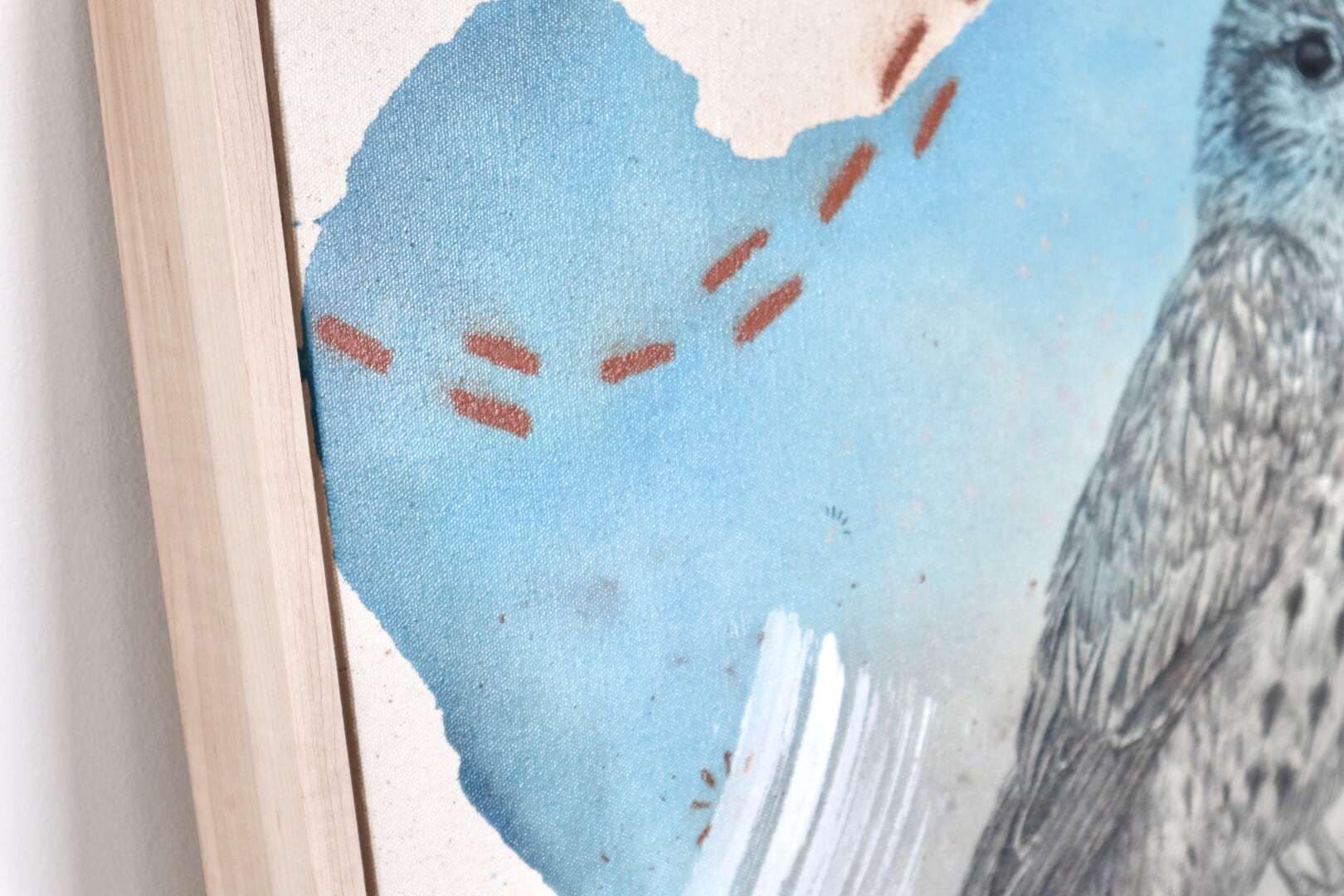
Original mixed media on raw stretched canvas with hard maple float frame.
Alternative hardwood frame available upon request at no extra cost. Email with inquiries.
Frame Details: Framed in hard maple
Framed Size: 25x31x2.5(inches)
View Frame Options Gallery >
We offer hand made custom frames constructed from natural wood of your choice. Click on the photos below to open and preview the frame options.
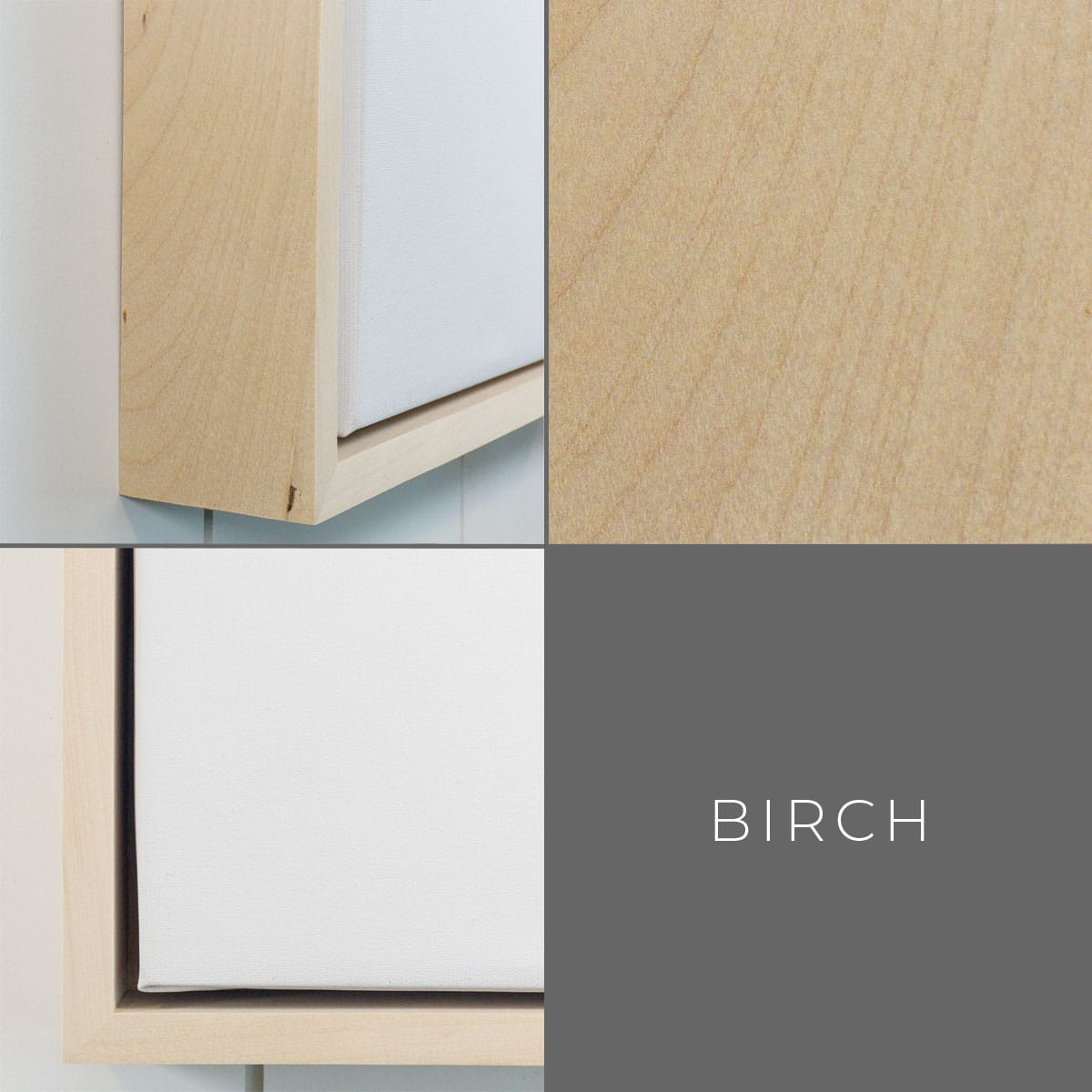
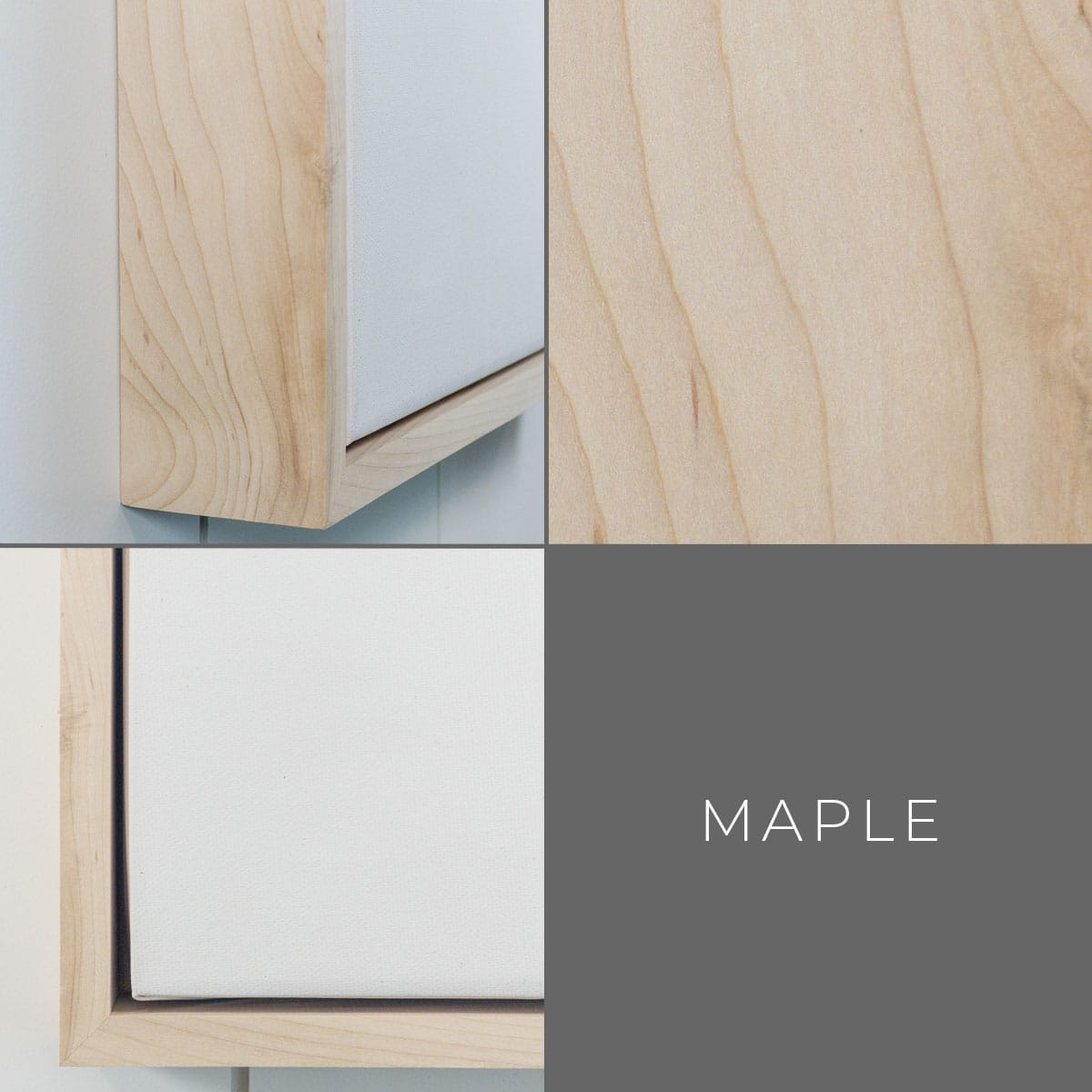
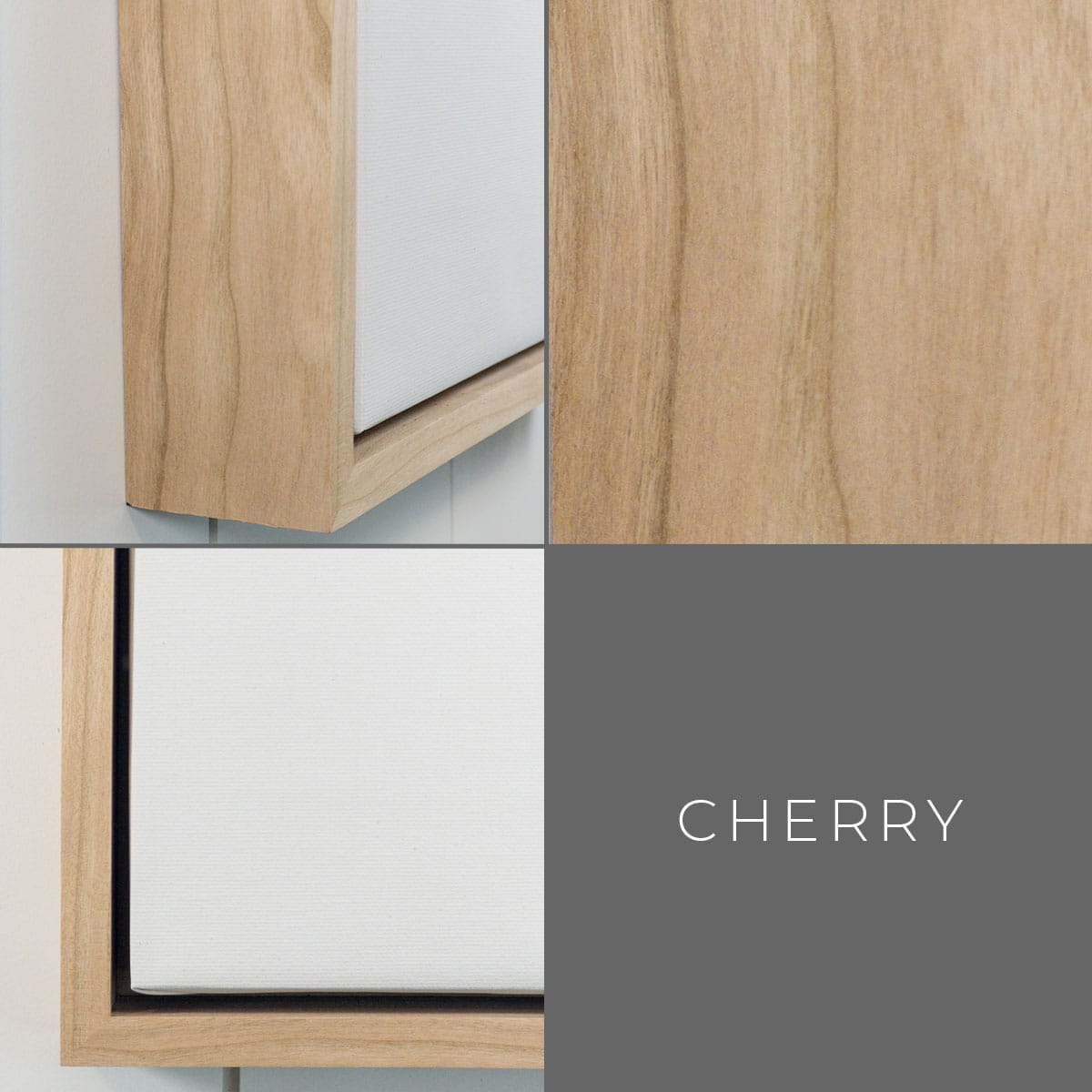
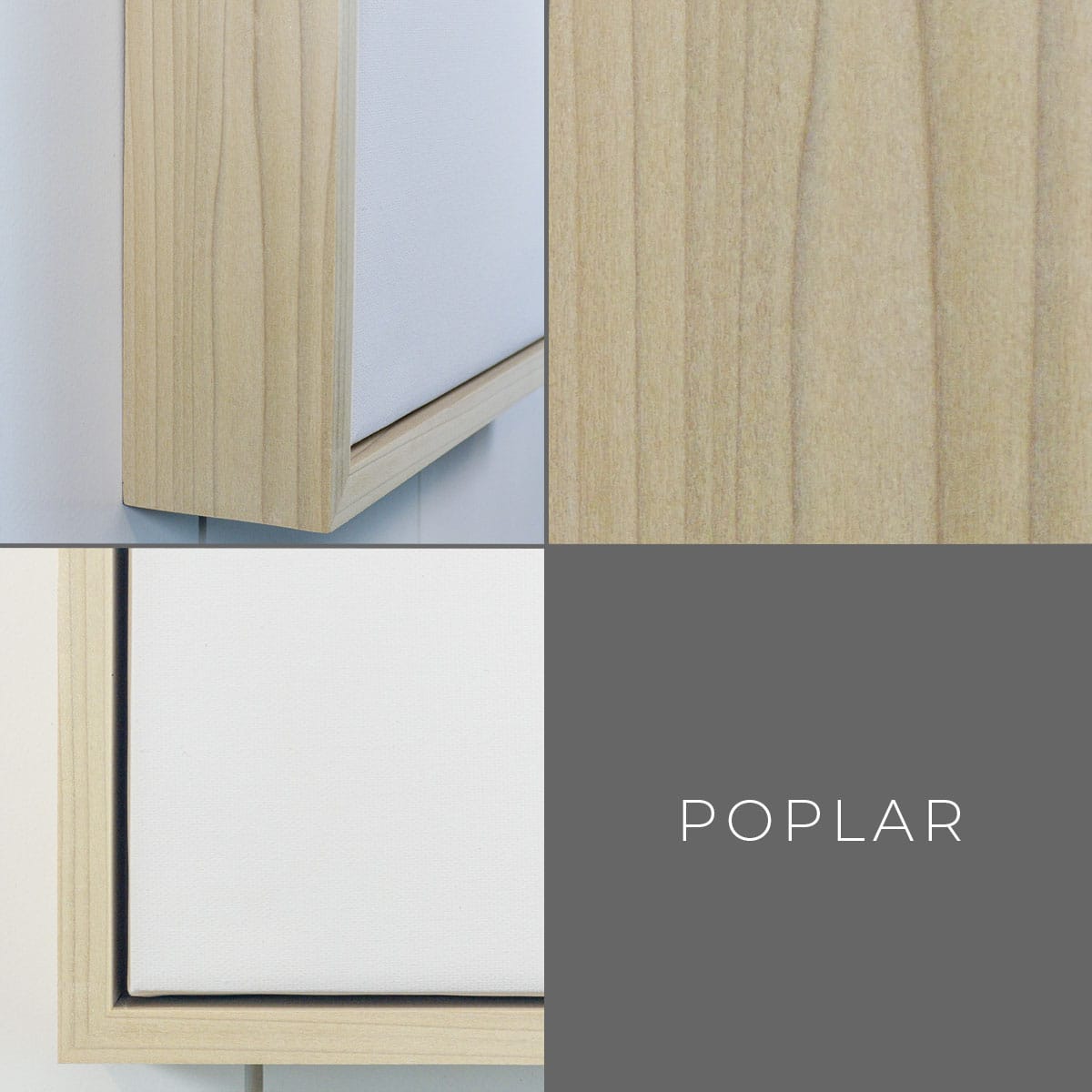
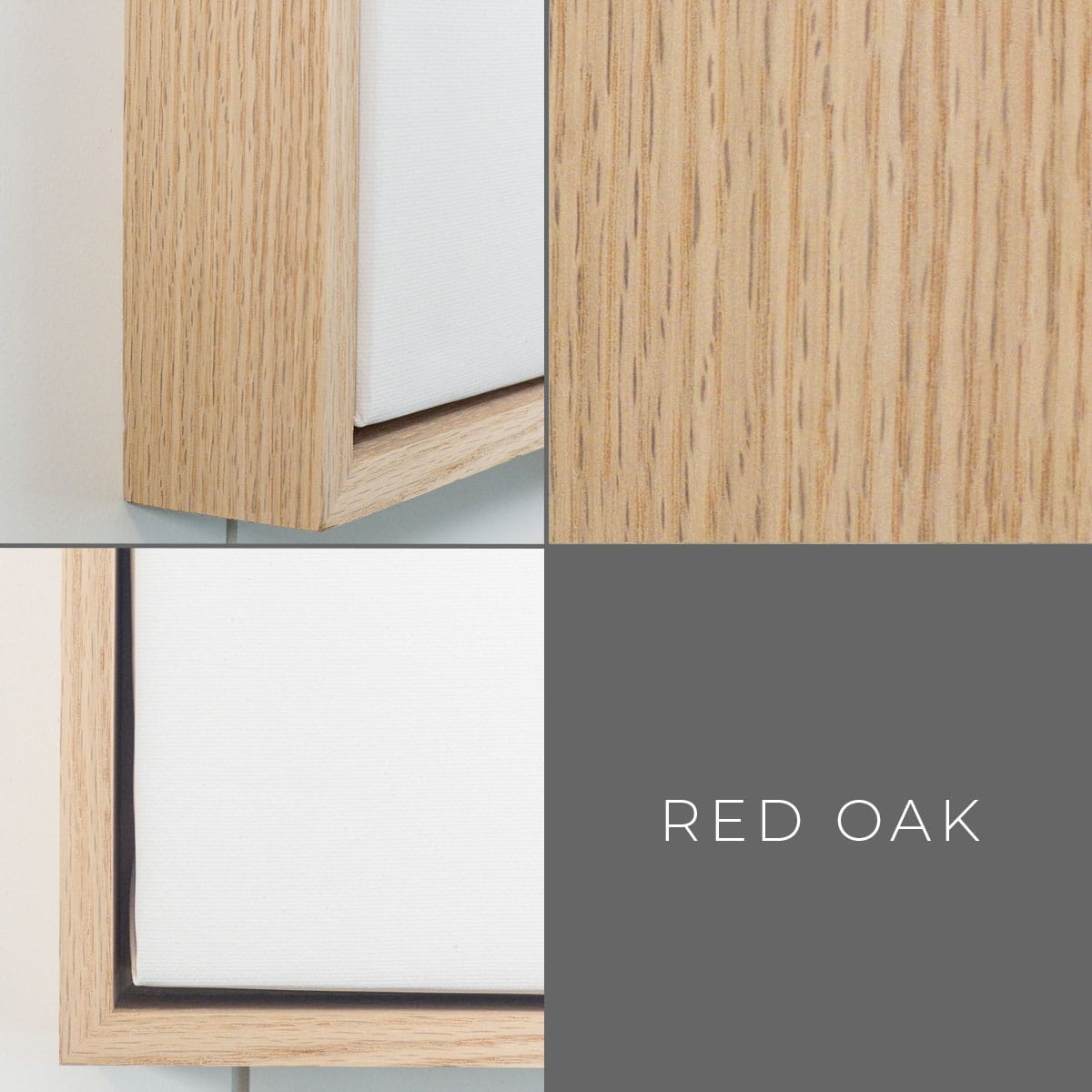
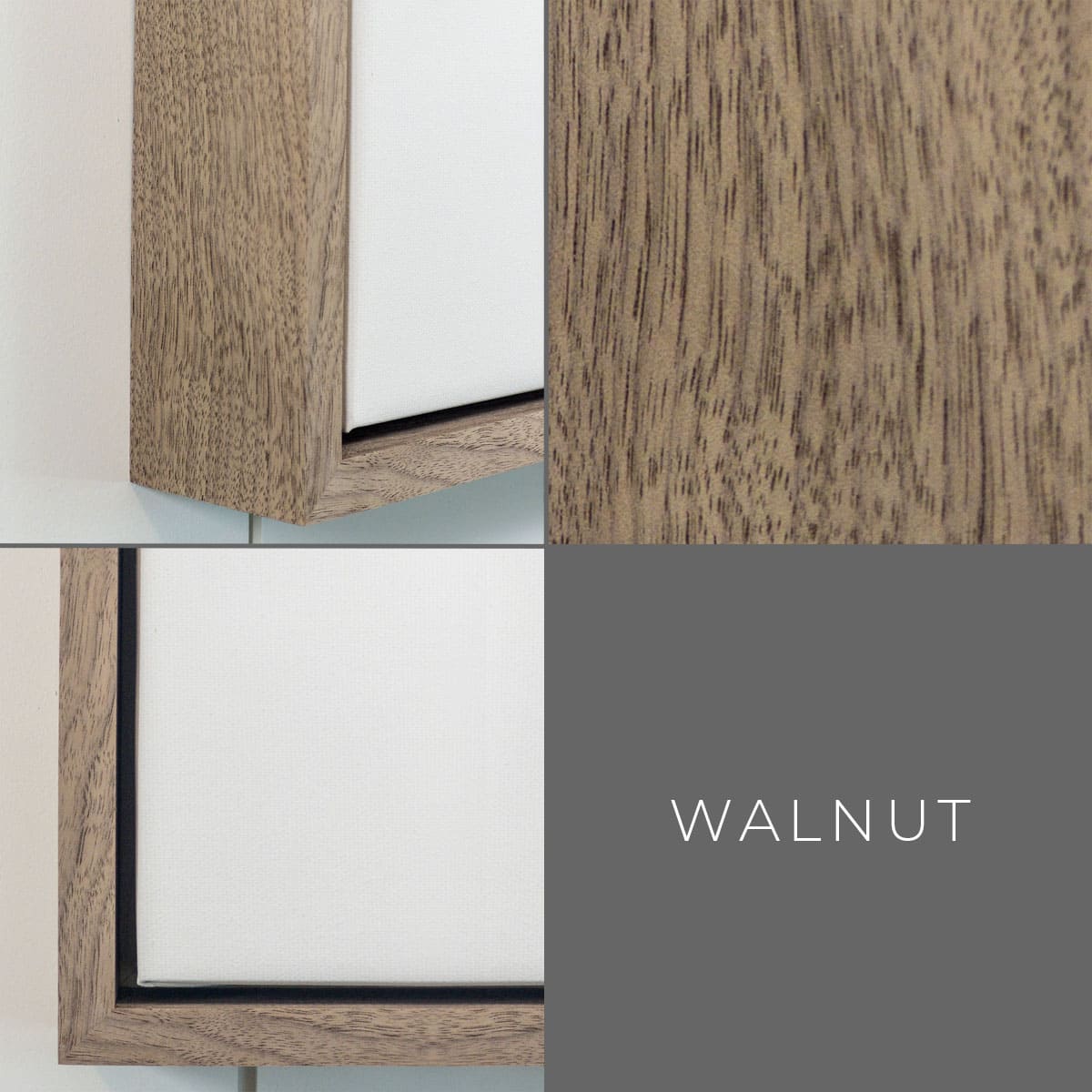
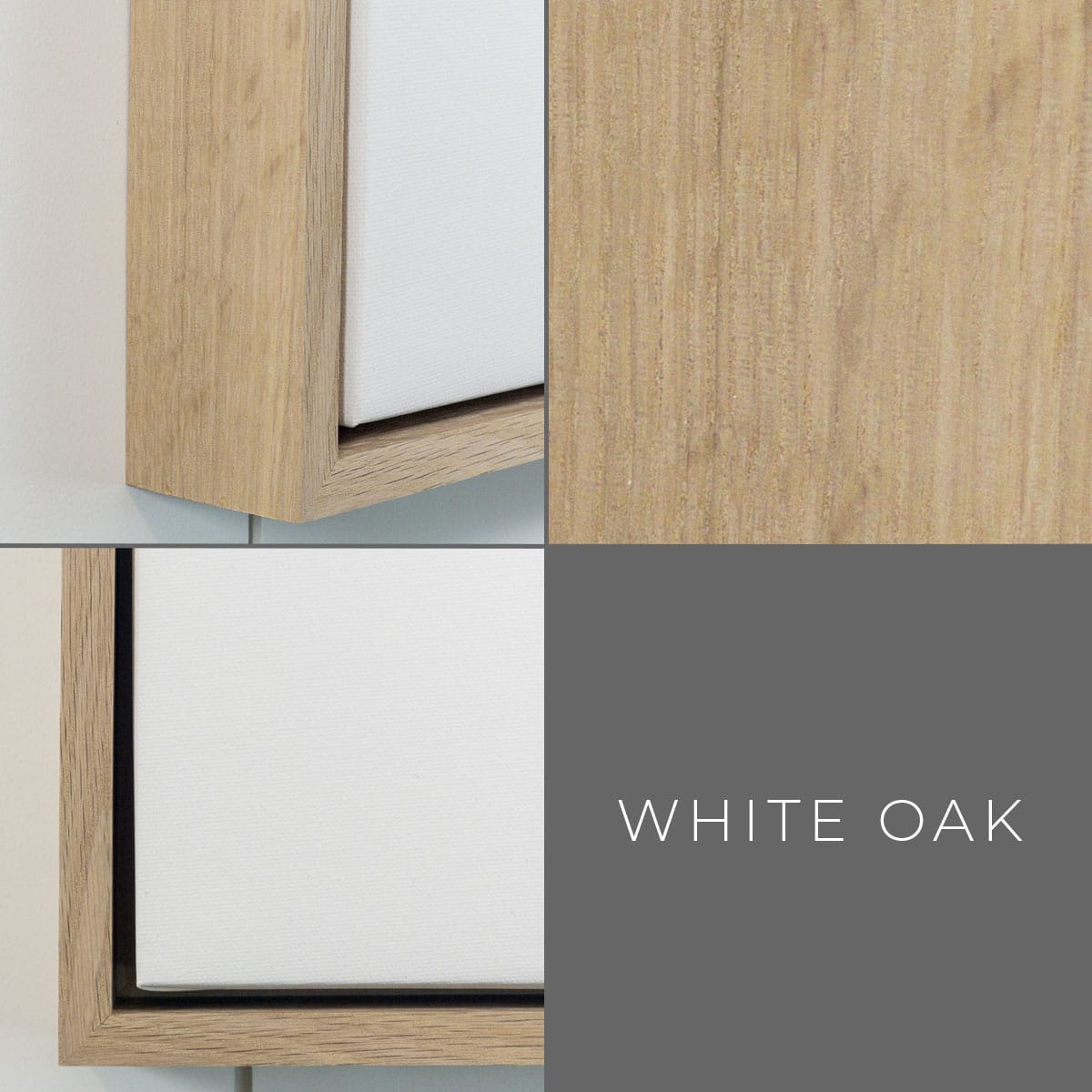
All orders will be shipped in 3-10 business days via USPS Priority mail, UPS or FedEx, depending on the size of the item and whether framing was desired. For medium to larger works, and if crating is needed to safely ship, it will be UPS or FedEX. USPS can ship larger works but it is a lot more expensive!
If I anticipate framing will take longer for any reason, I will reach out and let you know! You will receive a tracking number via email once the work has shipped.
If you are in the Fargo-Moorhead area and wish to pick it up, please select STUDIOPICKUP at checkout. I will have a table in the front lobby with your piece labeled for pick-up between the hours of 8 AM and 5 PM. I will always try to say hello if I am in the studio!
Thank you for supporting a small business!
Shop My Artwork


Footer