
Alicia Hauff Studio
Mixed Media Fine Artist in Fargo, ND
- You cannot add that amount to the cart — we have 1 in stock and you already have 1 in your cart. View cart
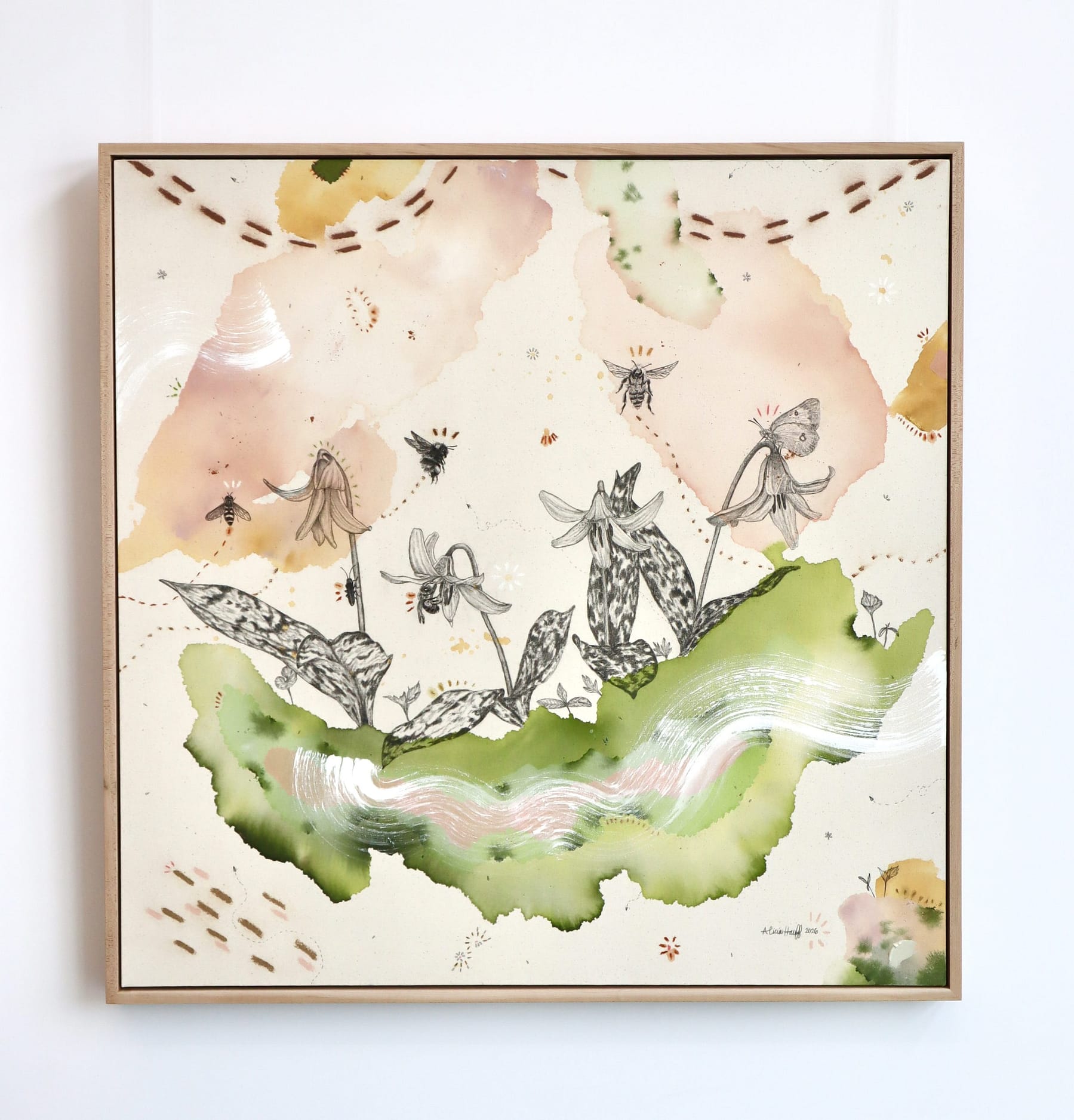
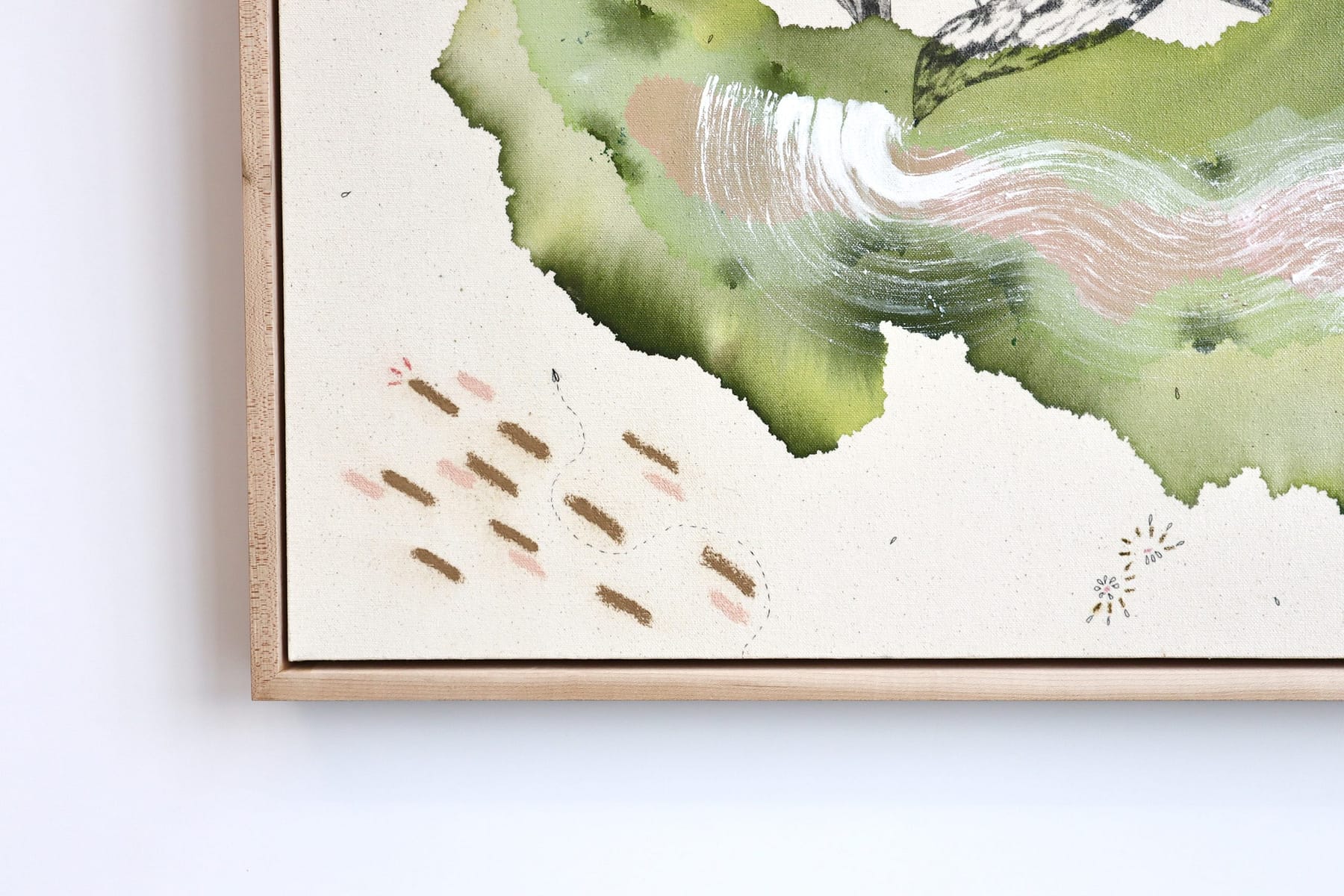
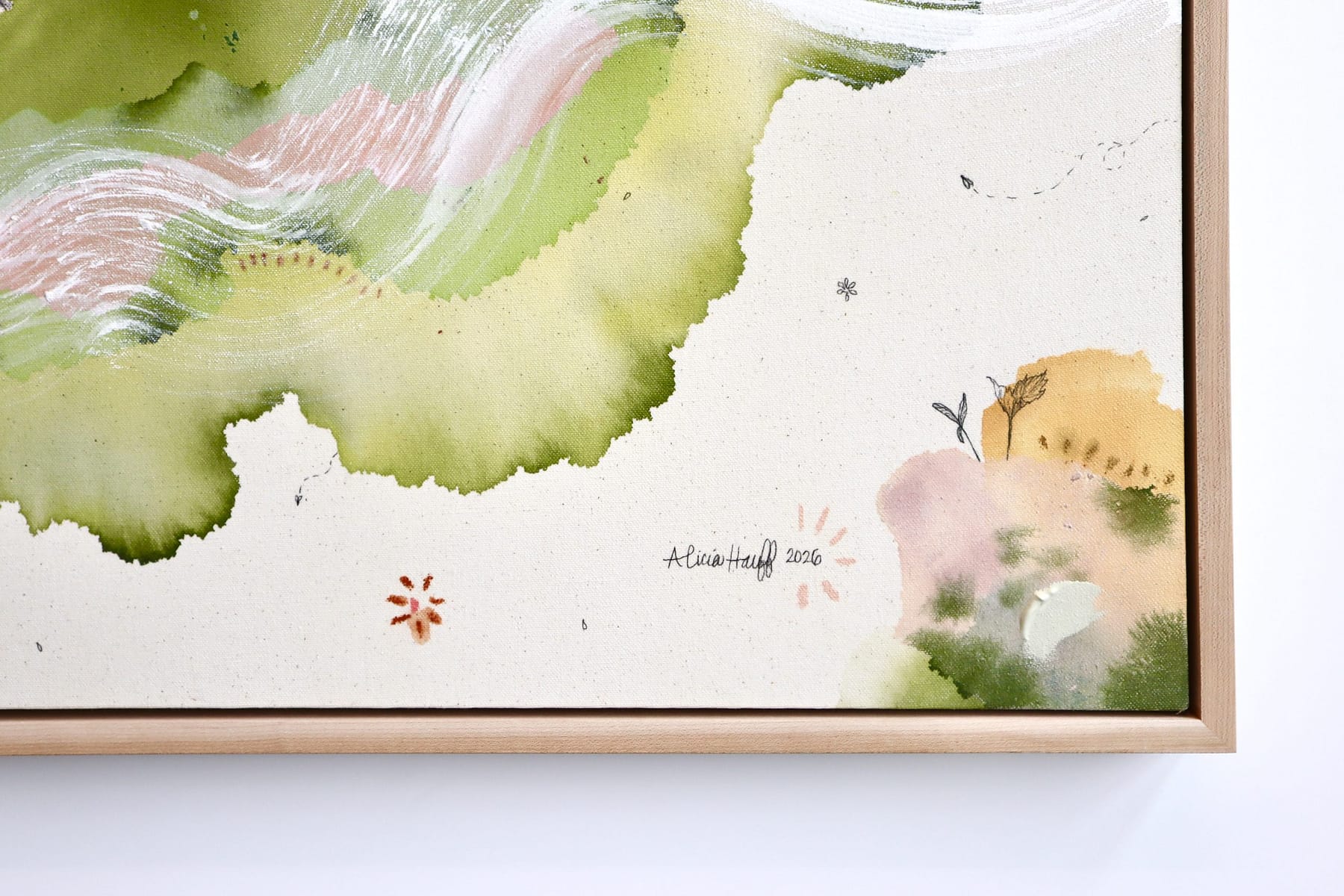
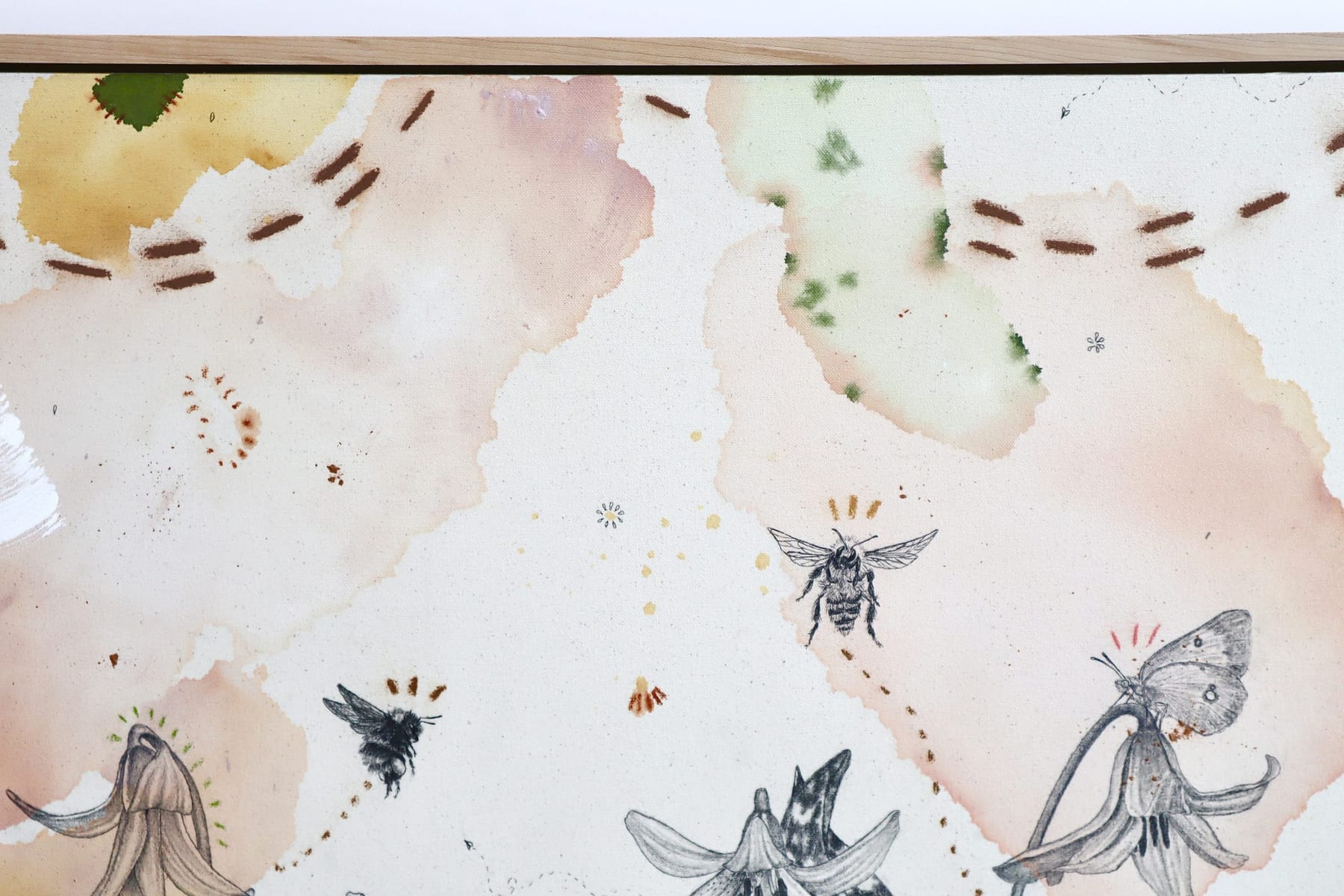
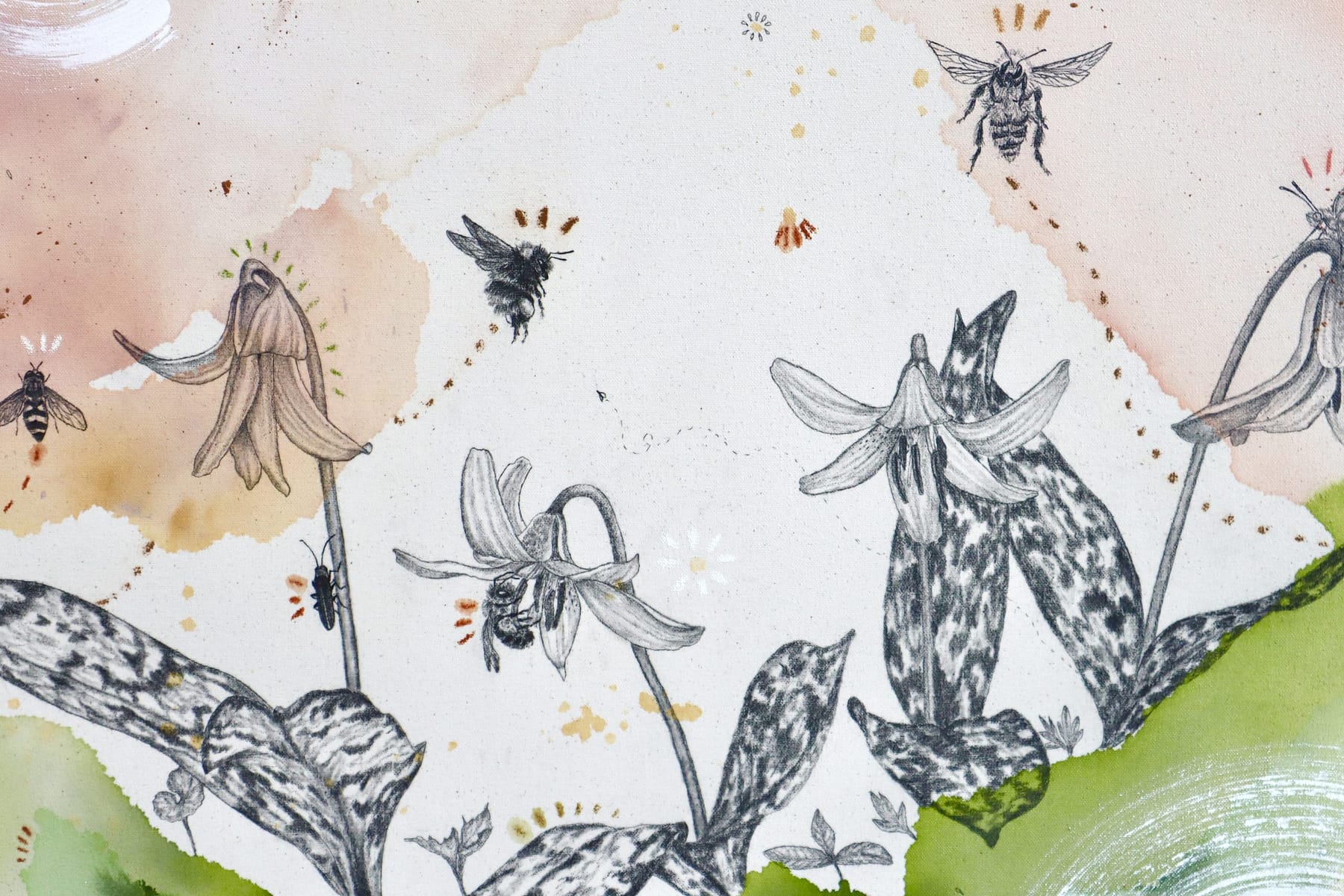
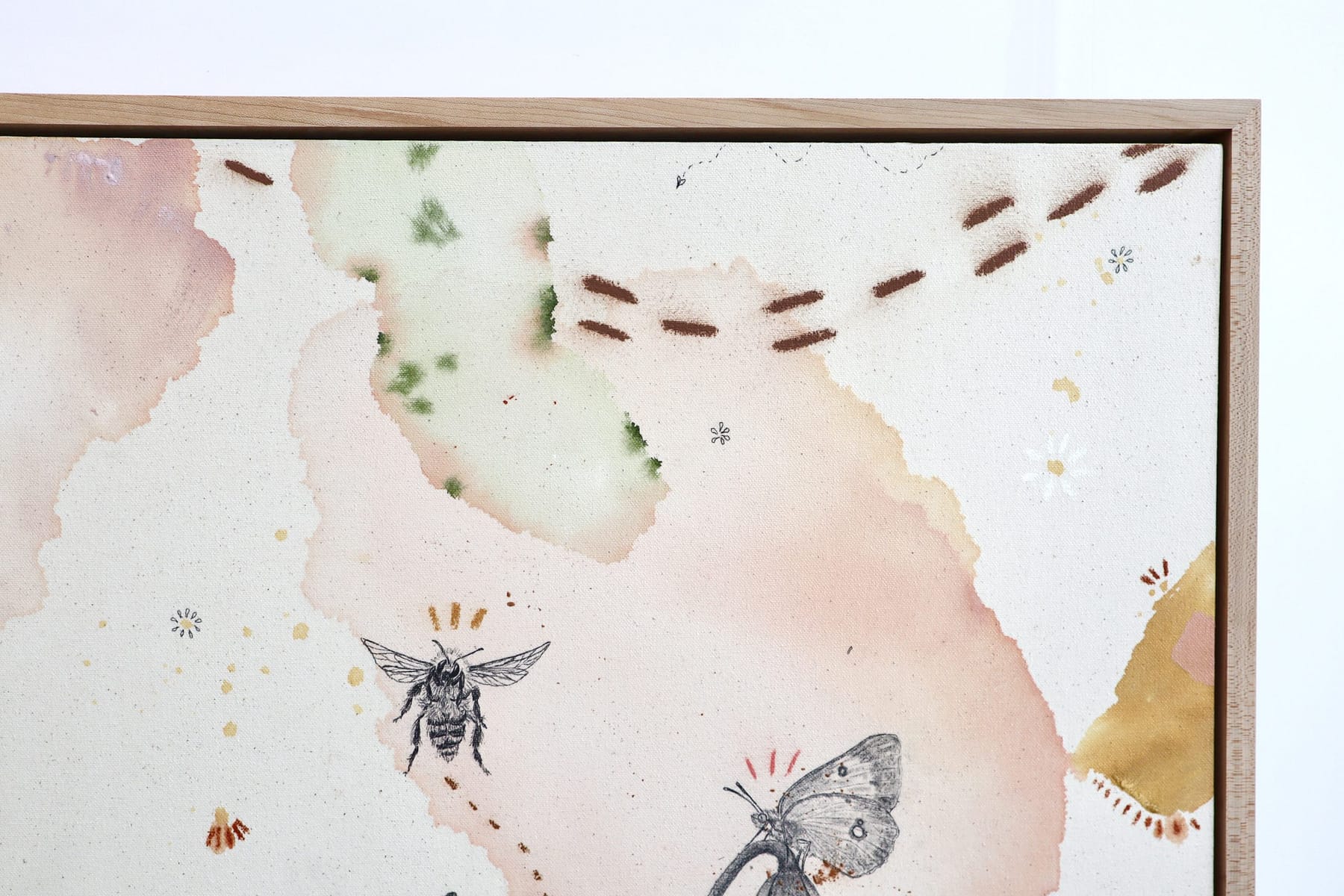
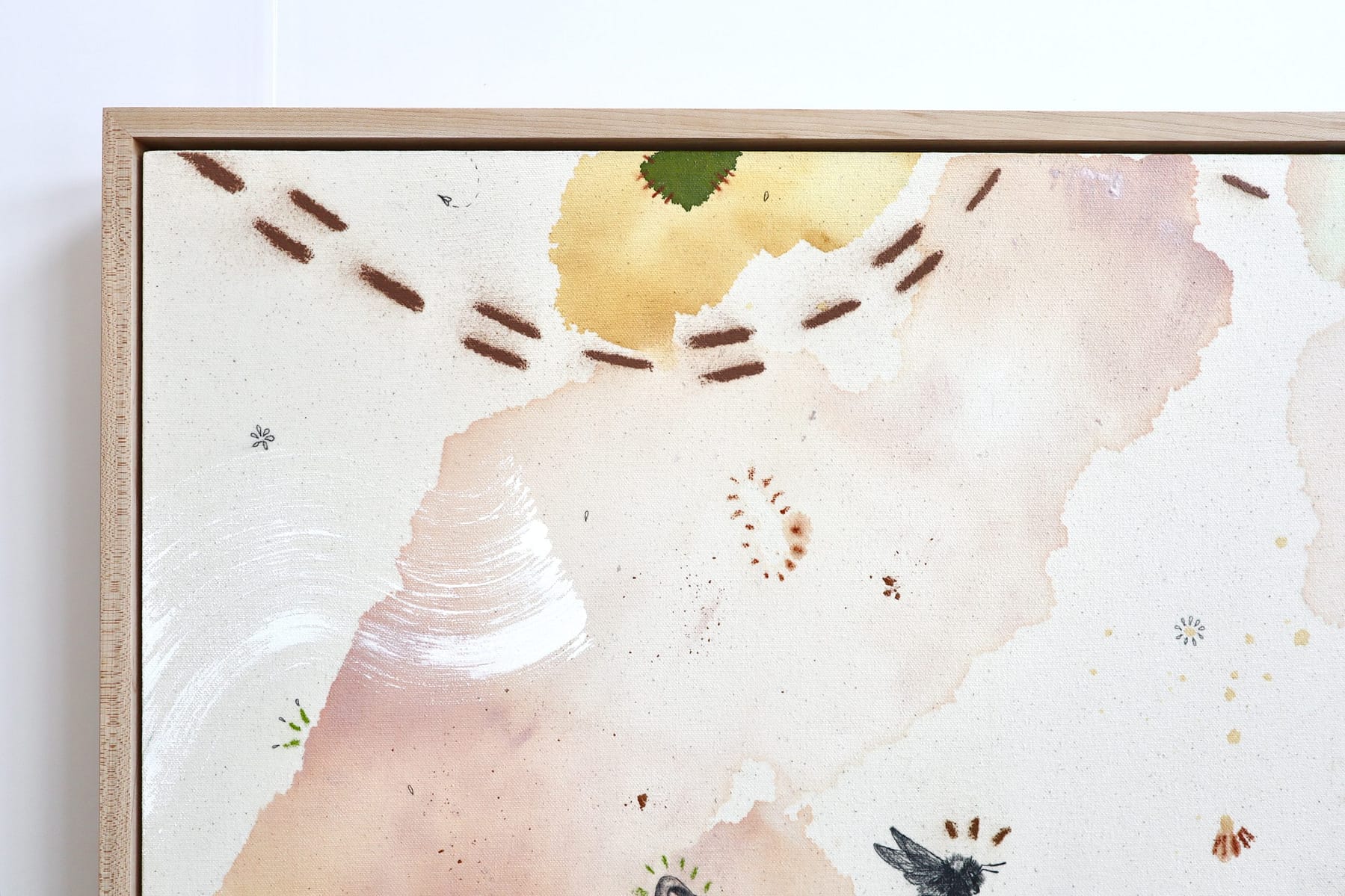
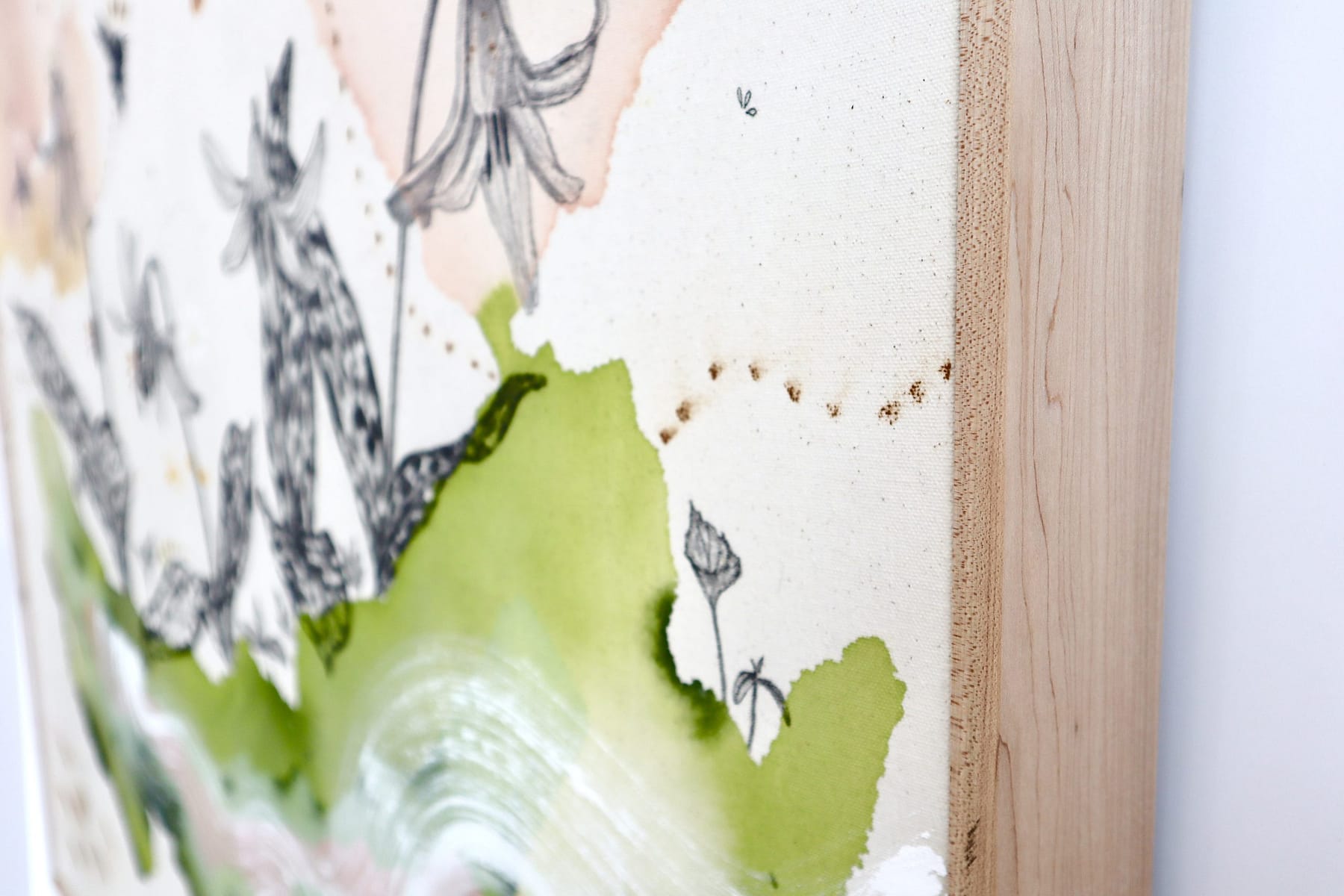
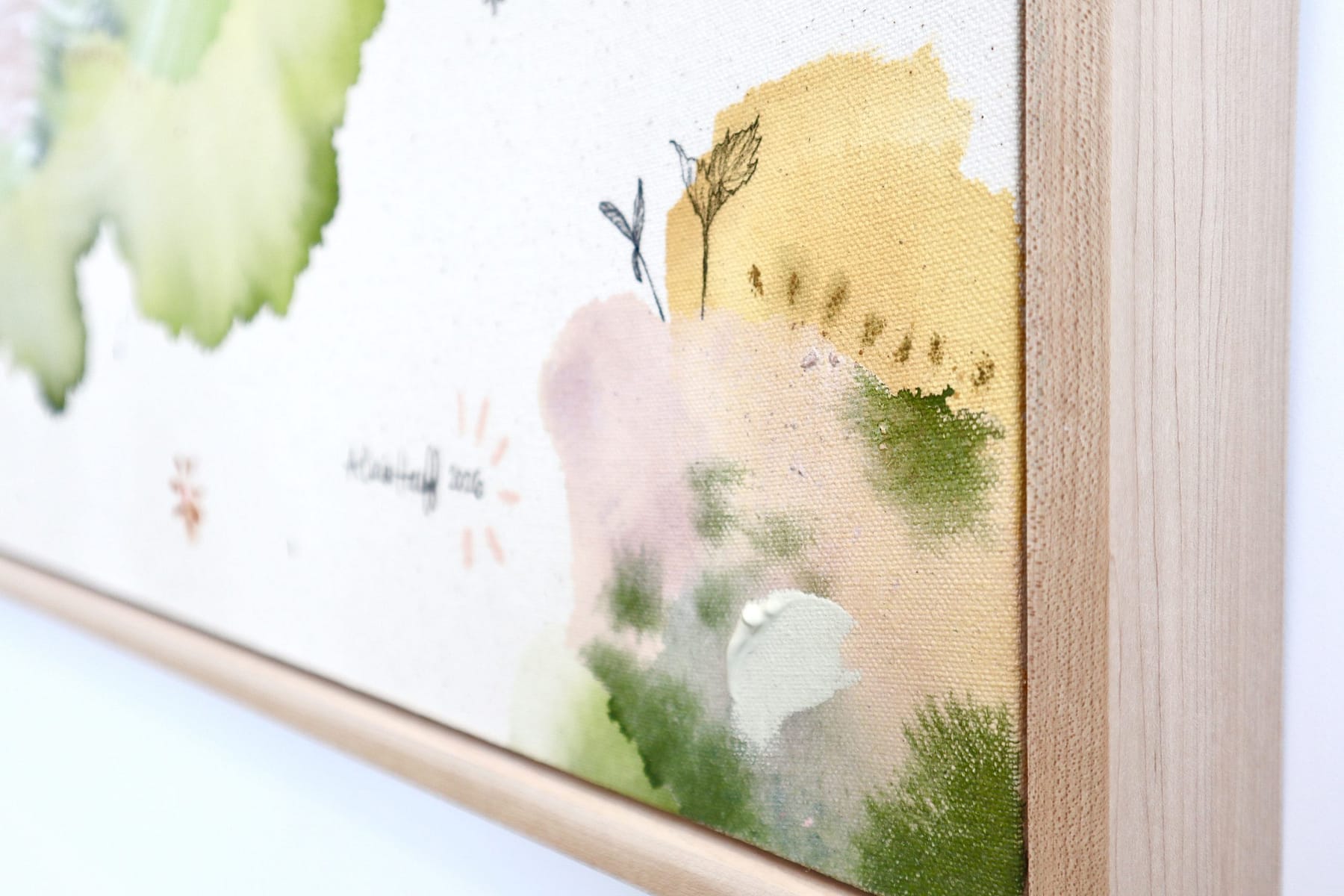
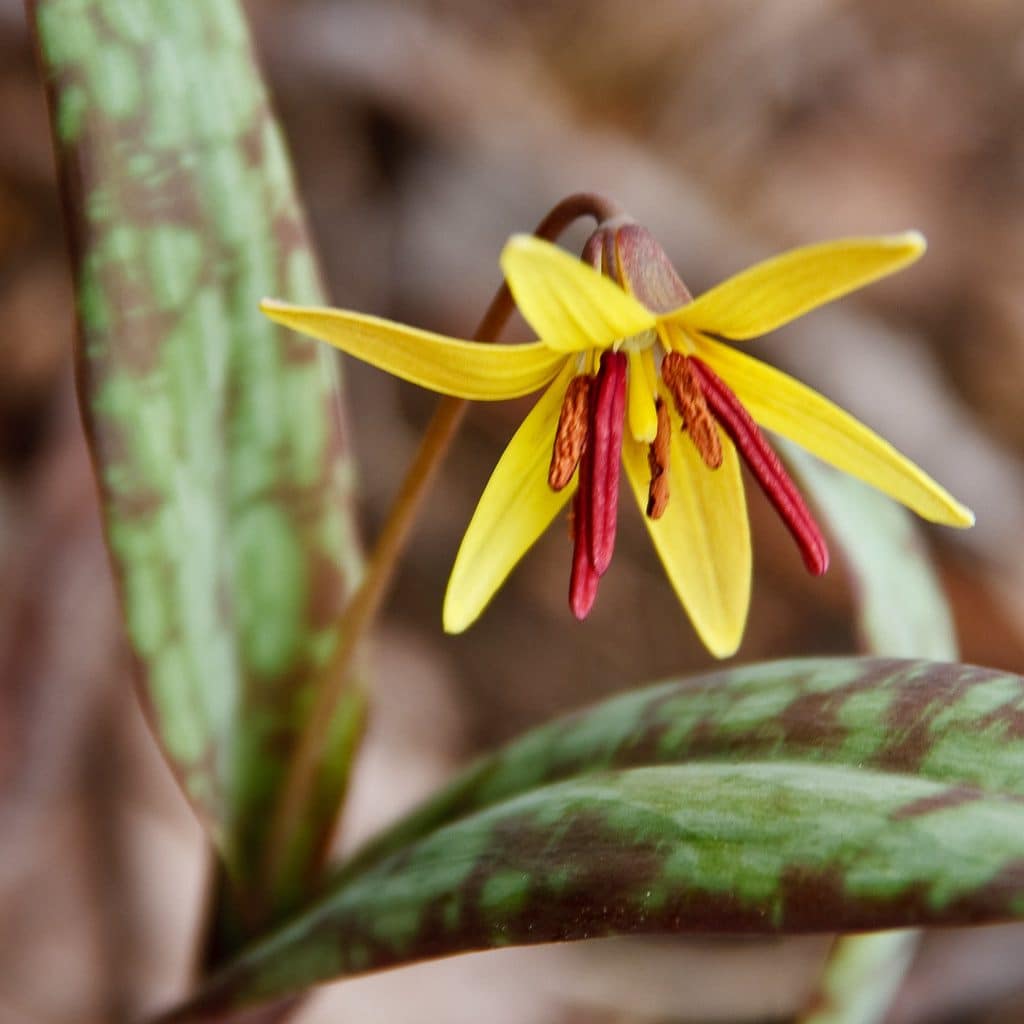
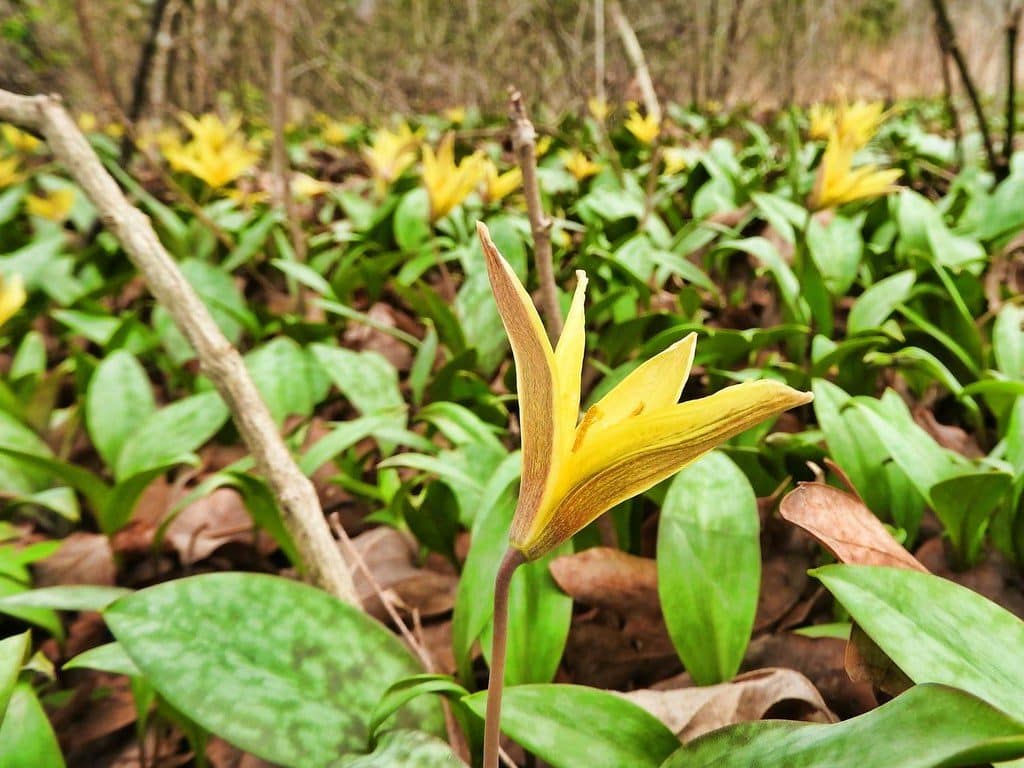
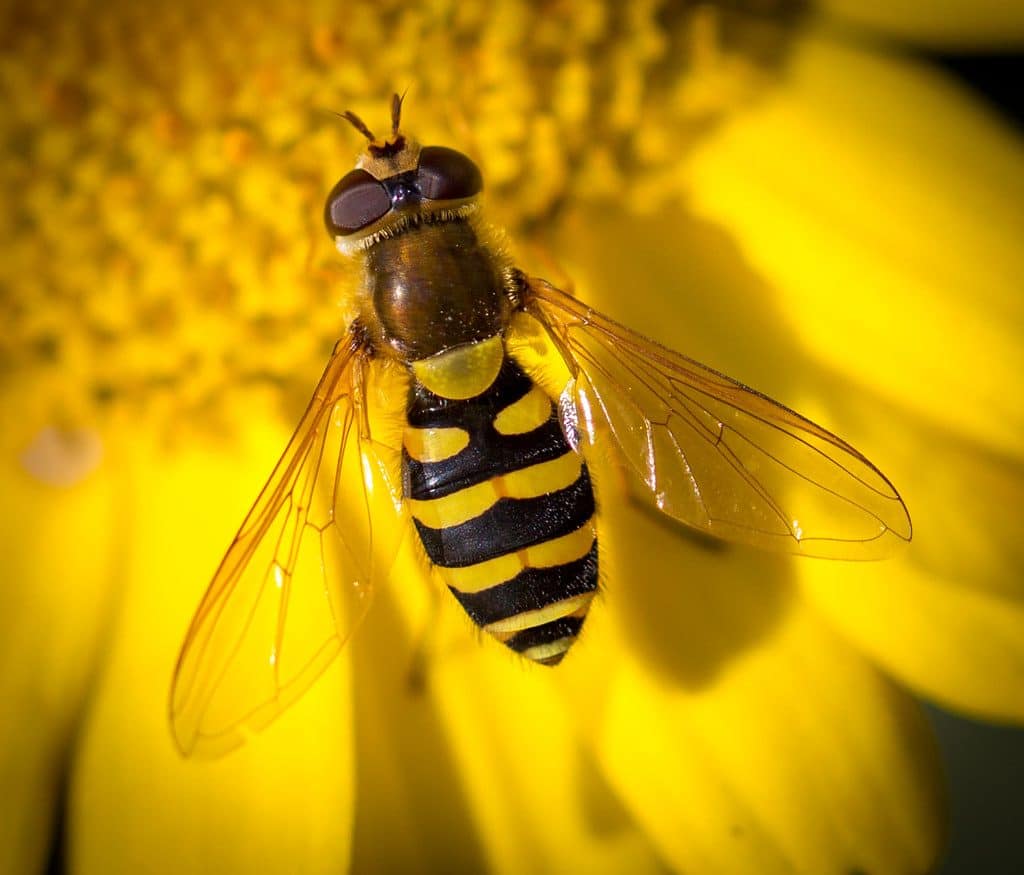
“Trout Lily, Vernal Pollinator Sustenance”
$2,074.00
“Trout Lily has tulip-like green leaves with silvery-maroon mottled markings. The plants will spread slowly to form colonies, but can take many years to flower. A single, very attractive flower will bloom for just a few days on mature plants early in the spring. The plant will fade into dormancy by mid-summer. Simply having a shade site is not enough; consider this plant only if you have a moist, yet well-drained site, typical of a rich, humus woodland. Soils that do not drain well or have a heavy clay component are not ideal and the Trout Lily will likely not thrive.
Pollination Facts:
Flower Staggering: To prevent pollinators from stripping all the pollen at once, a trout lily’s anthers open in two separate sets over two days, encouraging insects to visit other flowers and cross-pollinate.
Low Seed Success: Even after successful pollination, only about 10% of pollinated flowers will successfully produce seeds.
- Specialist Pollinators: The Trout Lily Miner Bee (Andrena erythronii) is an oligolectic species whose emergence is perfectly timed with the blooming of the plant, serving as its most efficient pollen transporter.
- Weather Dependent: Like many spring ephemerals, trout lily blossoms close on overcast days and at night to protect their pollen from rain and cold.
-
- Ant Transport: Ants (such as Aphaenogaster rudis) are attracted to the fatty elaiosome (a lipid-rich, fleshy attachment) and will carry the seed deep into their underground nests.
- Compost Piles: Once the ants eat the attachment, they discard the seed into their nutrient-rich underground “compost pile,” giving the tiny new plant an ideal spot to germinate
Seed DispersalBecause sexual reproduction is difficult and slow (it takes up to 7 years for a seedling to produce its first flower), trout lilies rely on a unique dispersal method after successful pollination:
Who is in this piece?
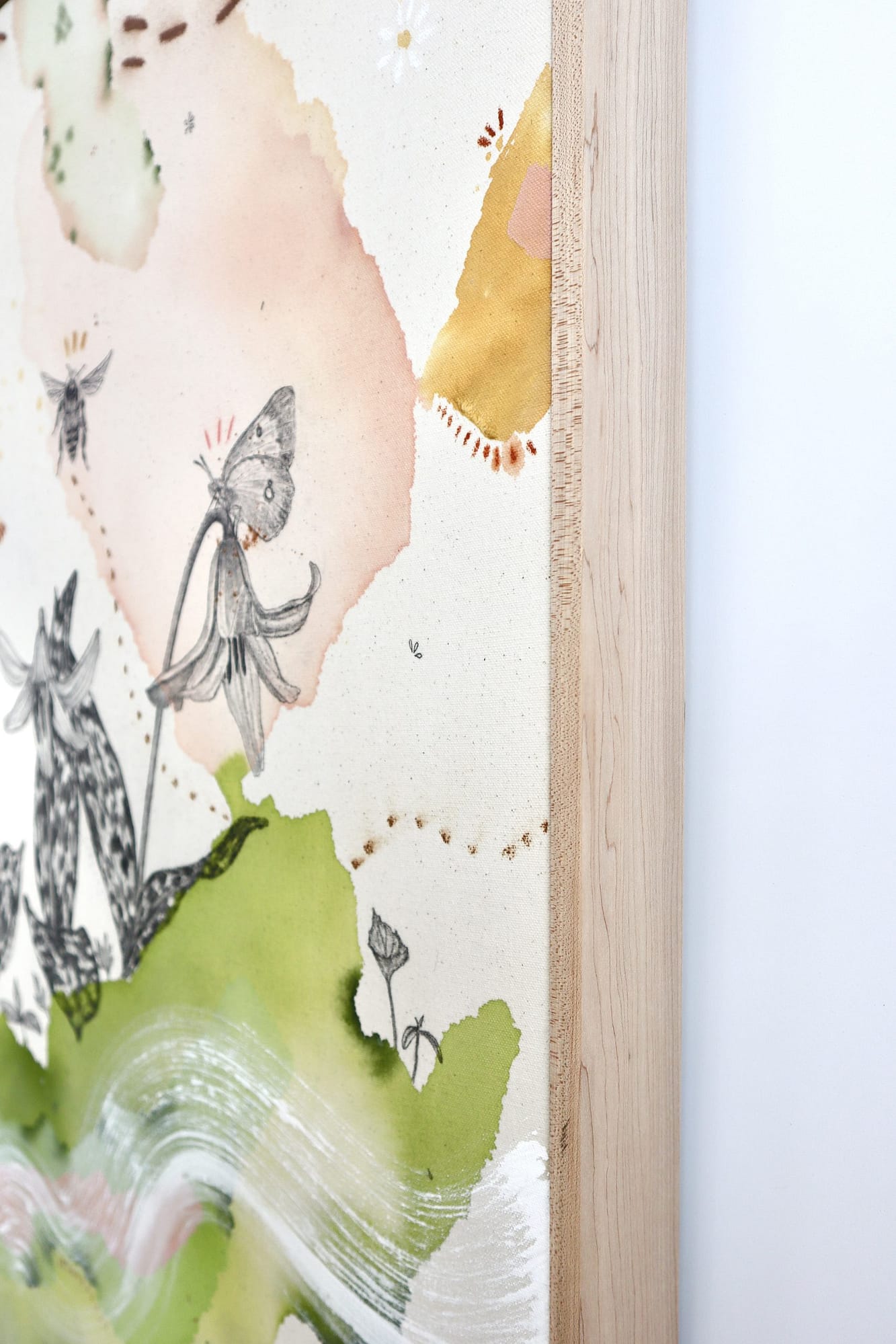
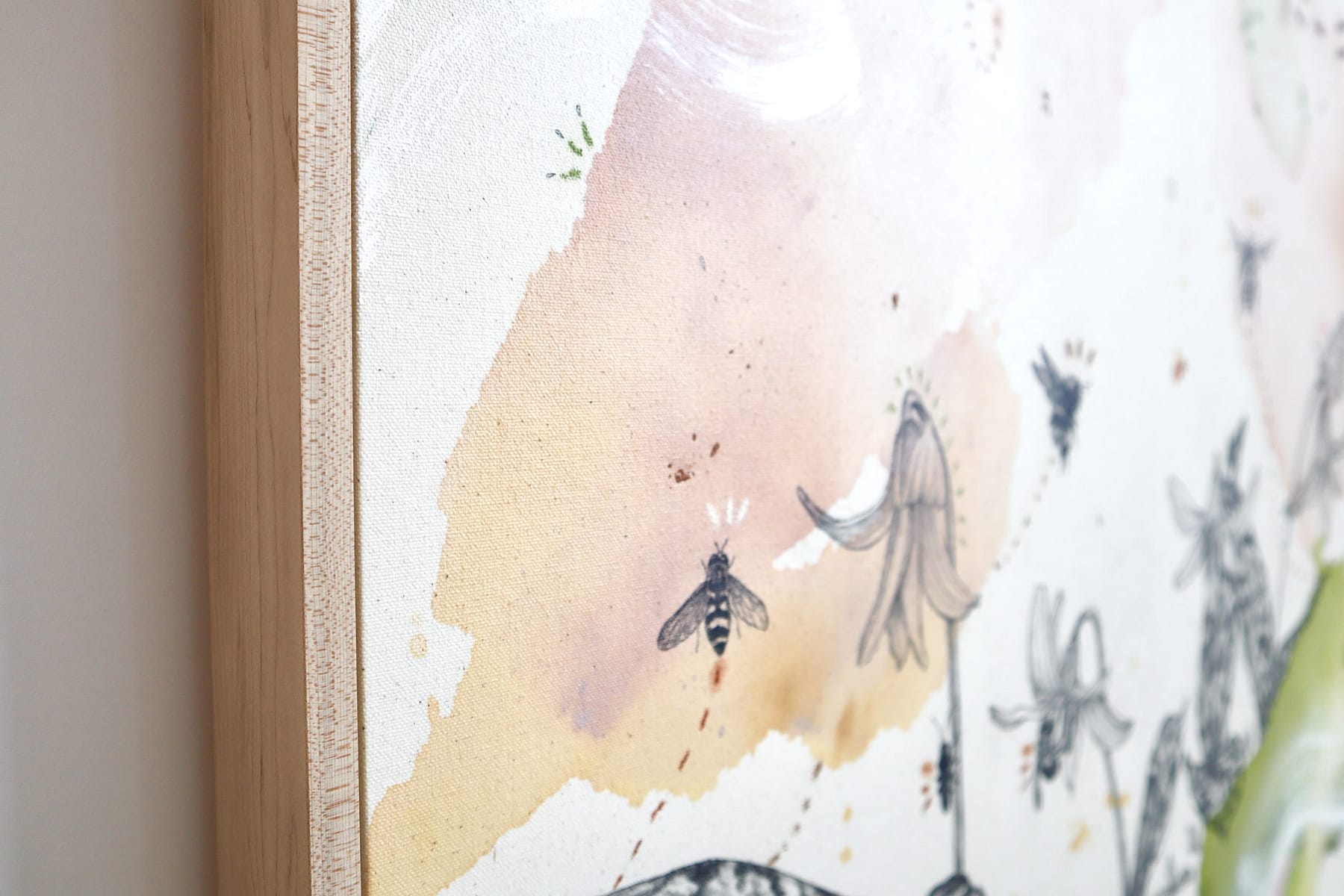
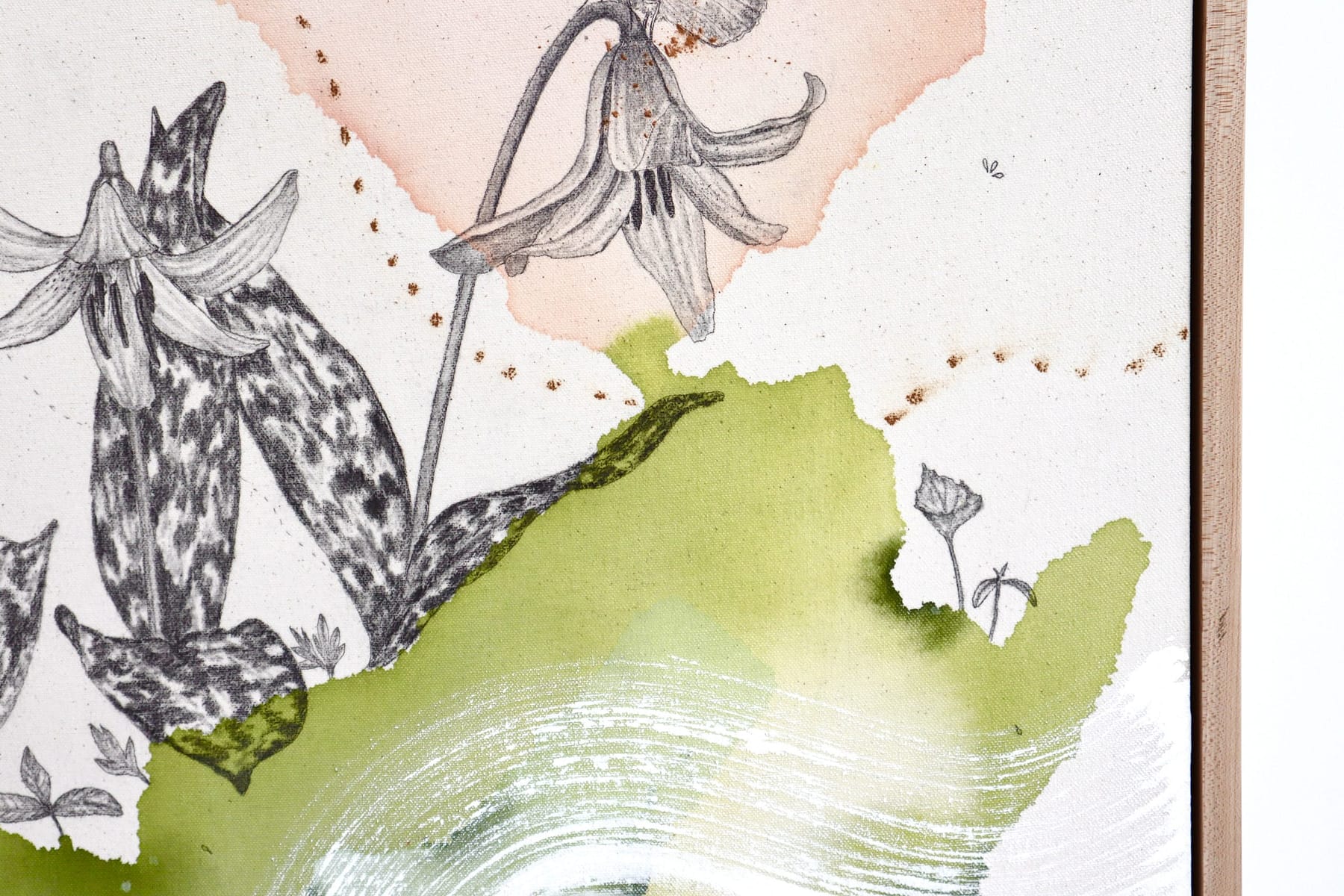
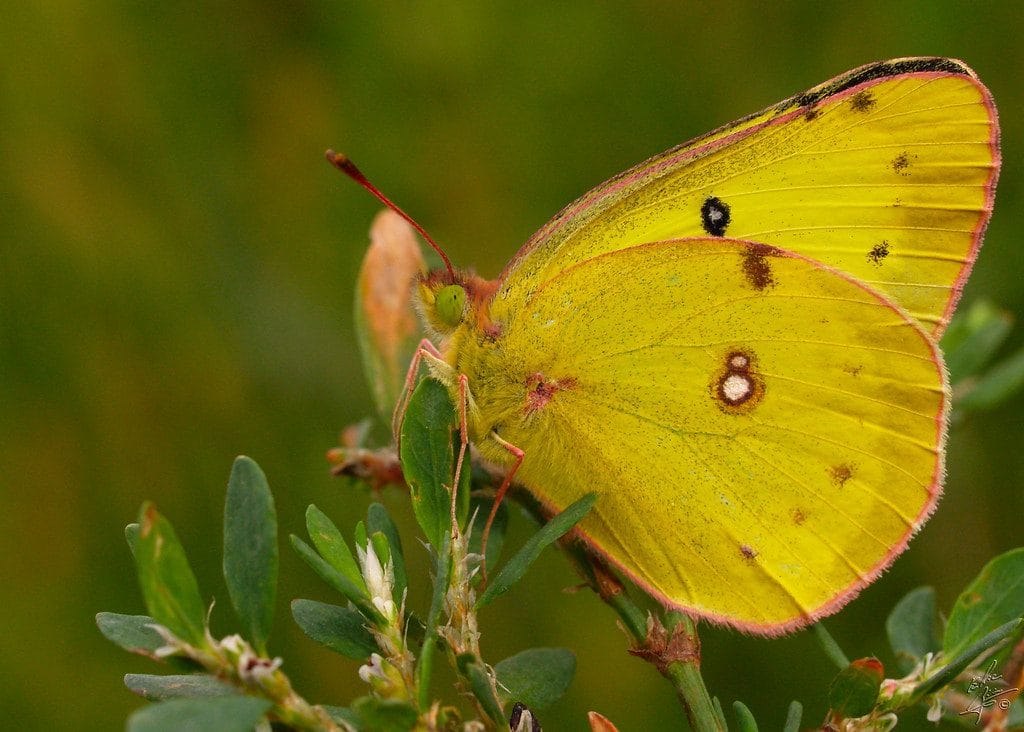
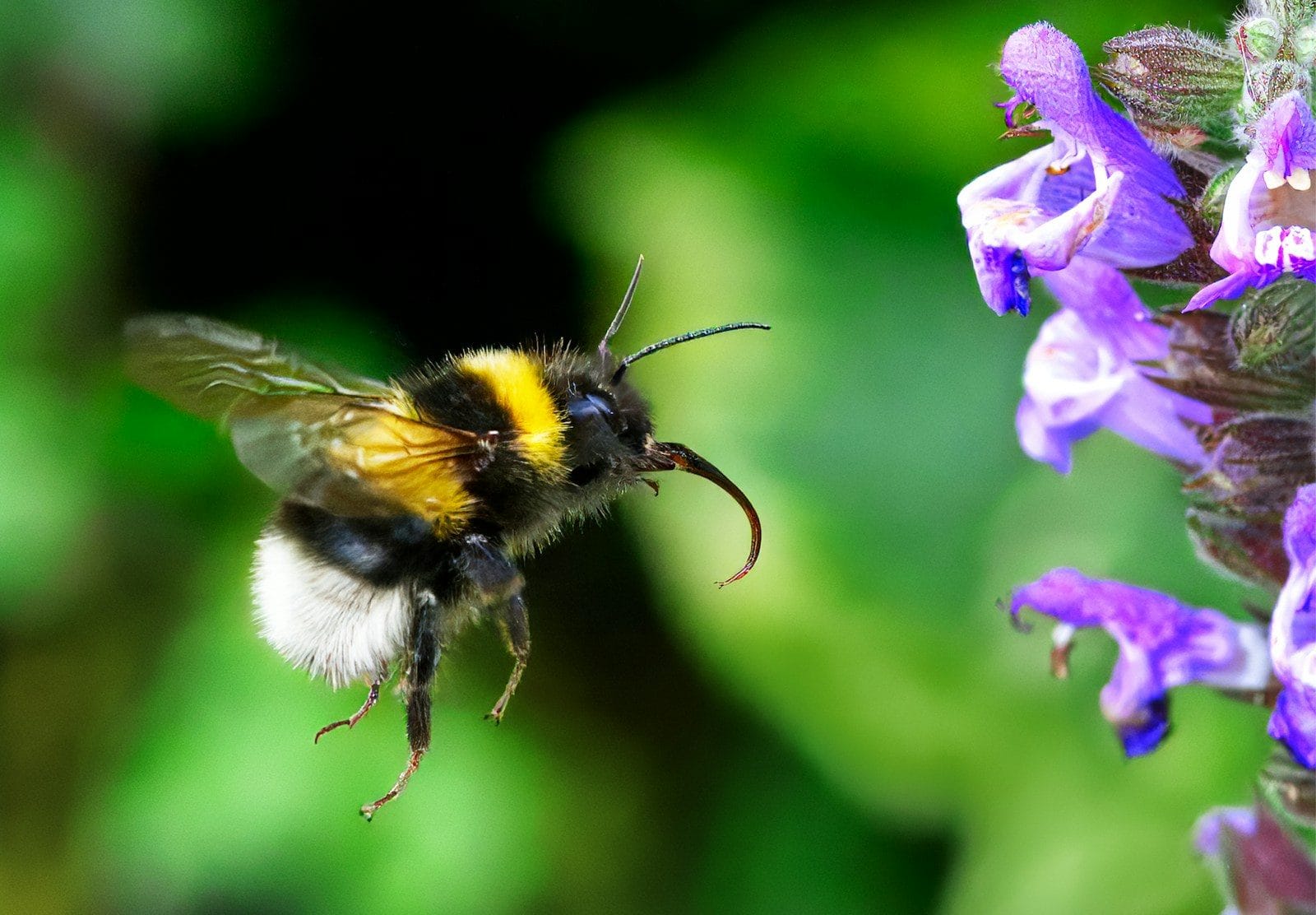
This piece features the Trout Lily Mining bee (center left flower), a Hoverfly/Syrphid fly (center far left), two bumblebees (upper left and right center), and a Clouded Sulphur butterfly (far right).
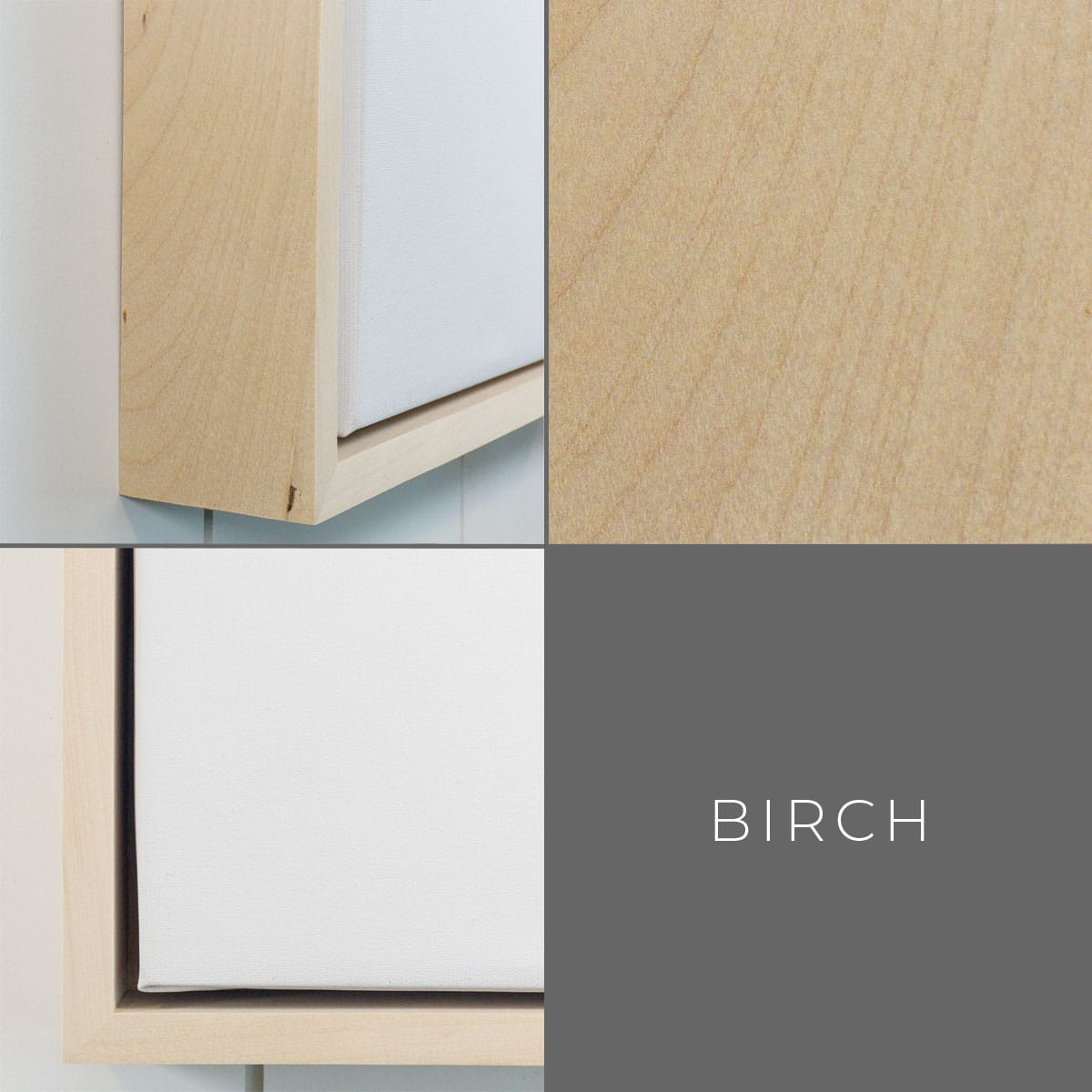
Frame Details: Hard maple float frame
Framed Size: 37x37x2(inches)
View Frame Options Gallery >
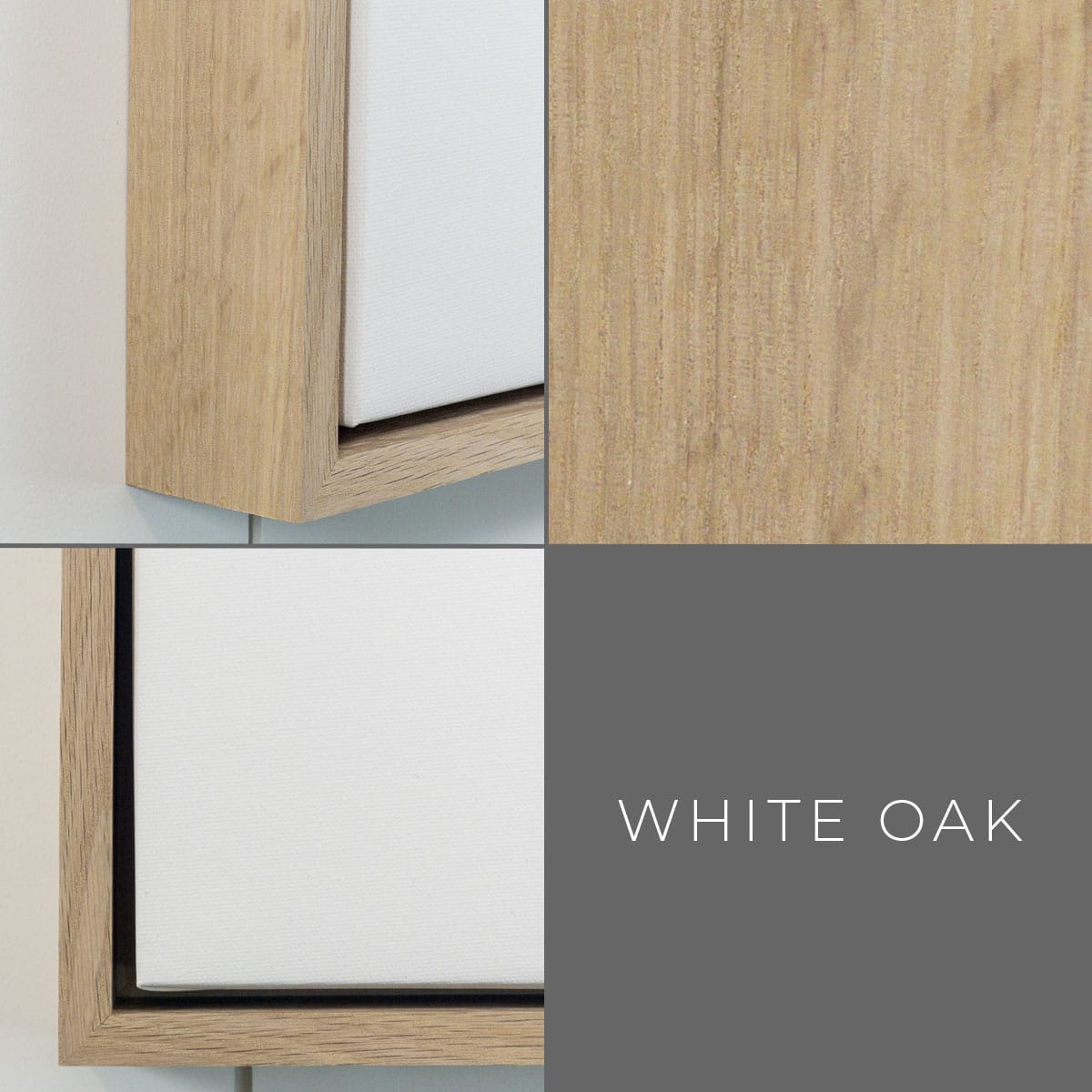
We offer hand made custom frames constructed from natural wood of your choice. Click on the photos below to open and preview the frame options.





All orders will be shipped in 3-10 business days via USPS Priority mail, UPS or FedEx, depending on the size of the item and whether framing was desired. For medium to larger works, and if crating is needed to safely ship, it will be UPS or FedEX. USPS can ship larger works but it is a lot more expensive!
If I anticipate framing will take longer for any reason, I will reach out and let you know! You will receive a tracking number via email once the work has shipped.
If you are in the Fargo-Moorhead area and wish to pick it up, please select STUDIOPICKUP at checkout. I will have a table in the front lobby with your piece labeled for pick-up between the hours of 8 AM and 5 PM. I will always try to say hello if I am in the studio!
Thank you for supporting a small business!
Shop My Artwork


Footer