
Alicia Hauff Studio
Mixed Media Fine Artist in Fargo, ND
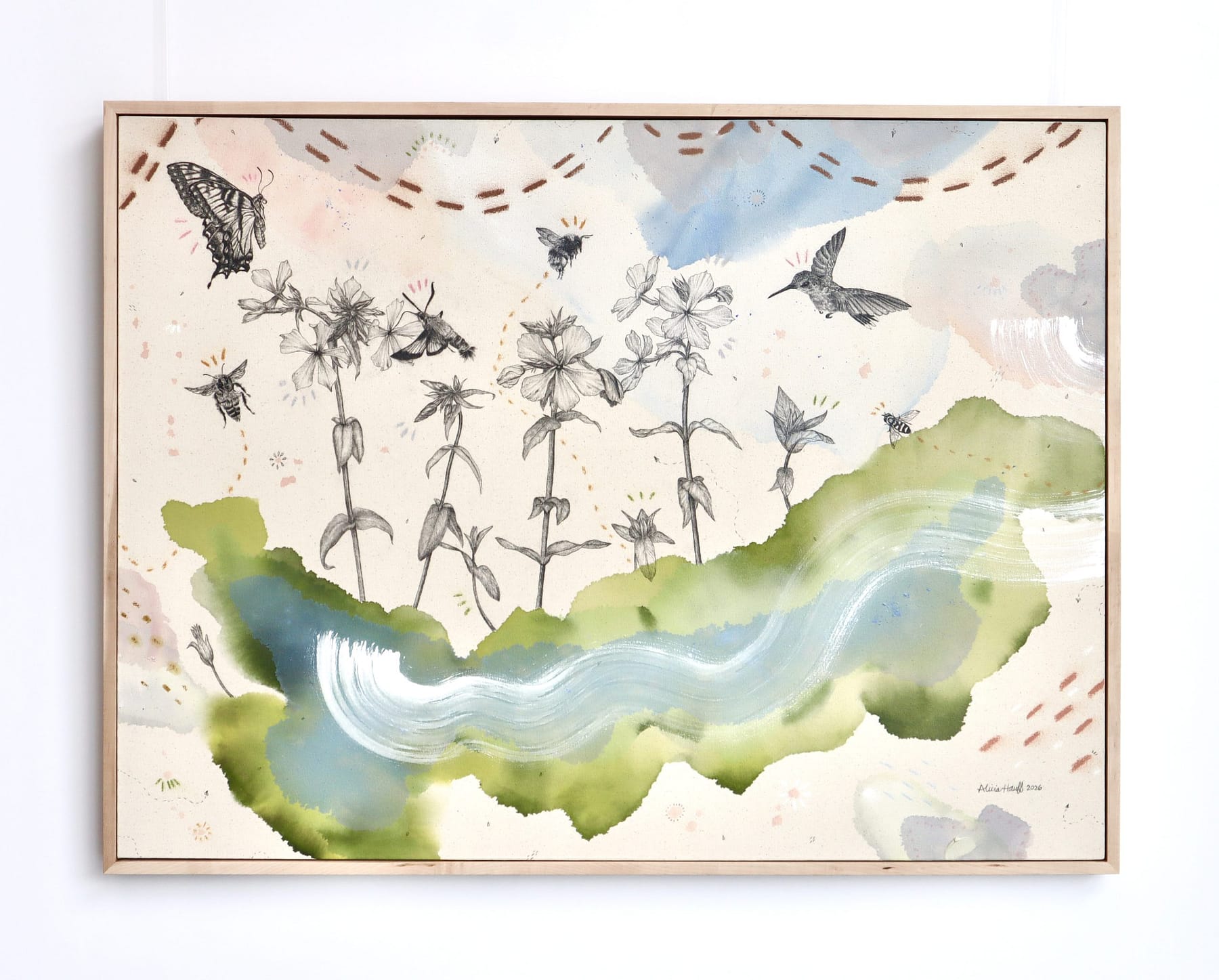
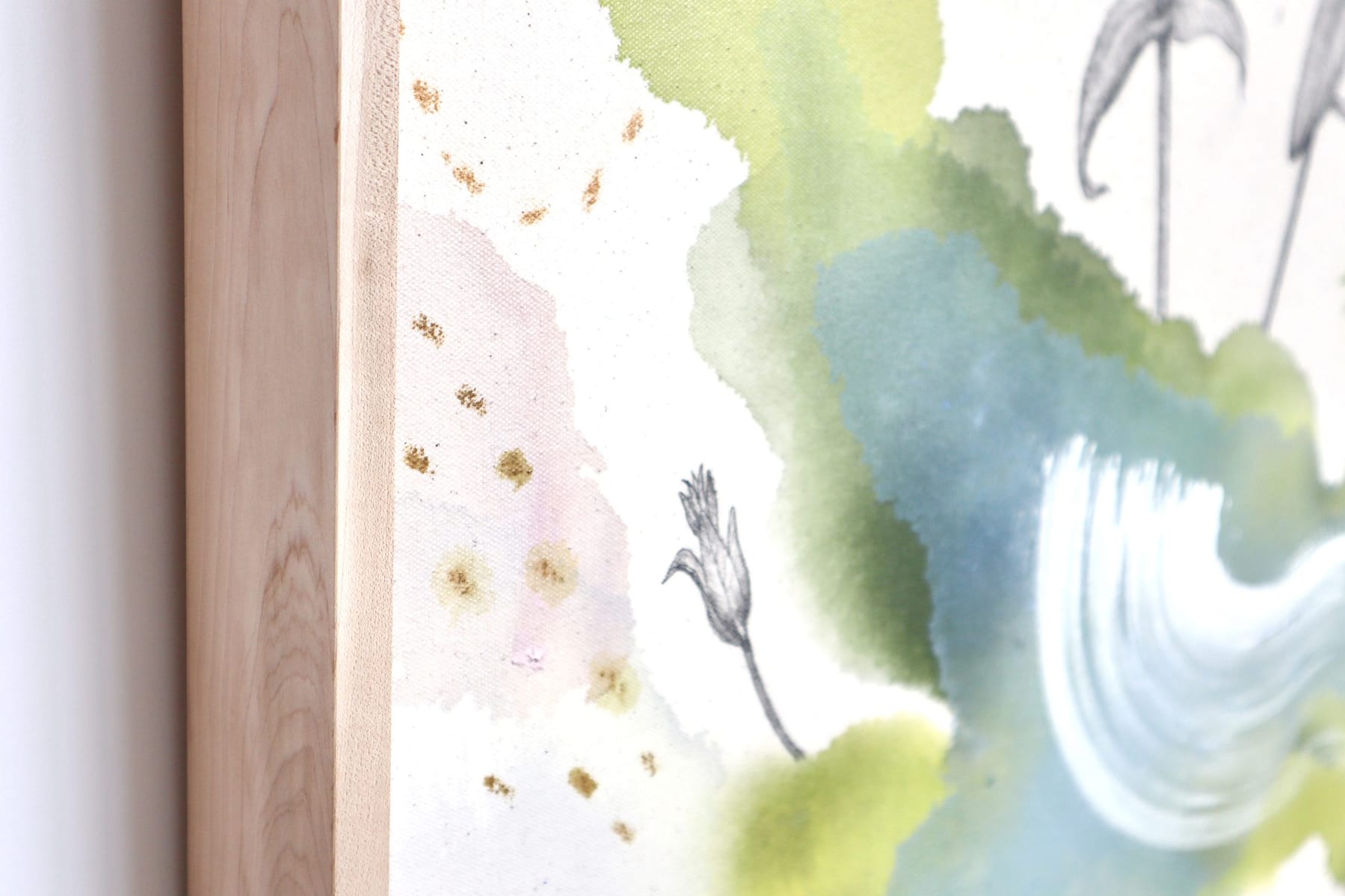
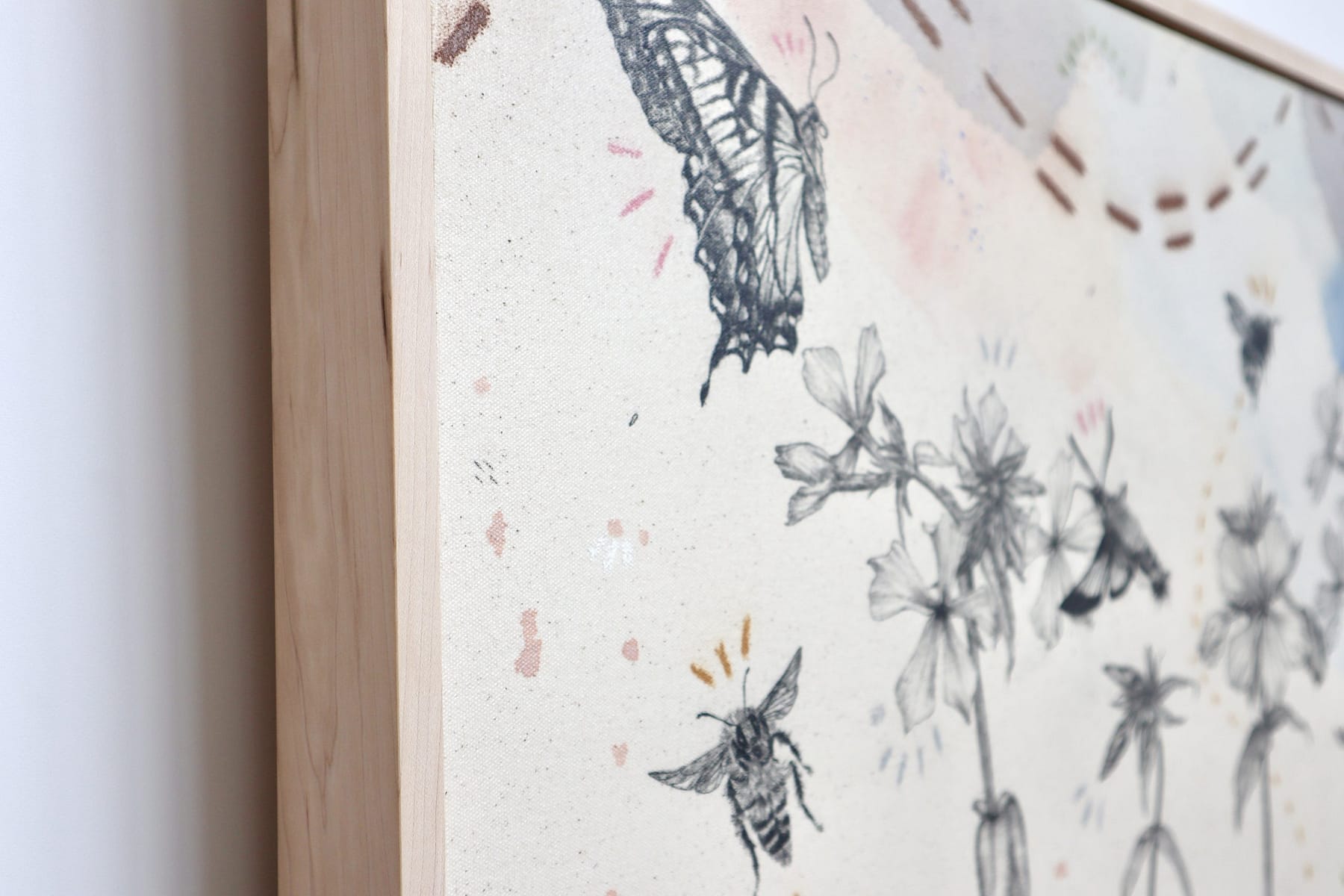
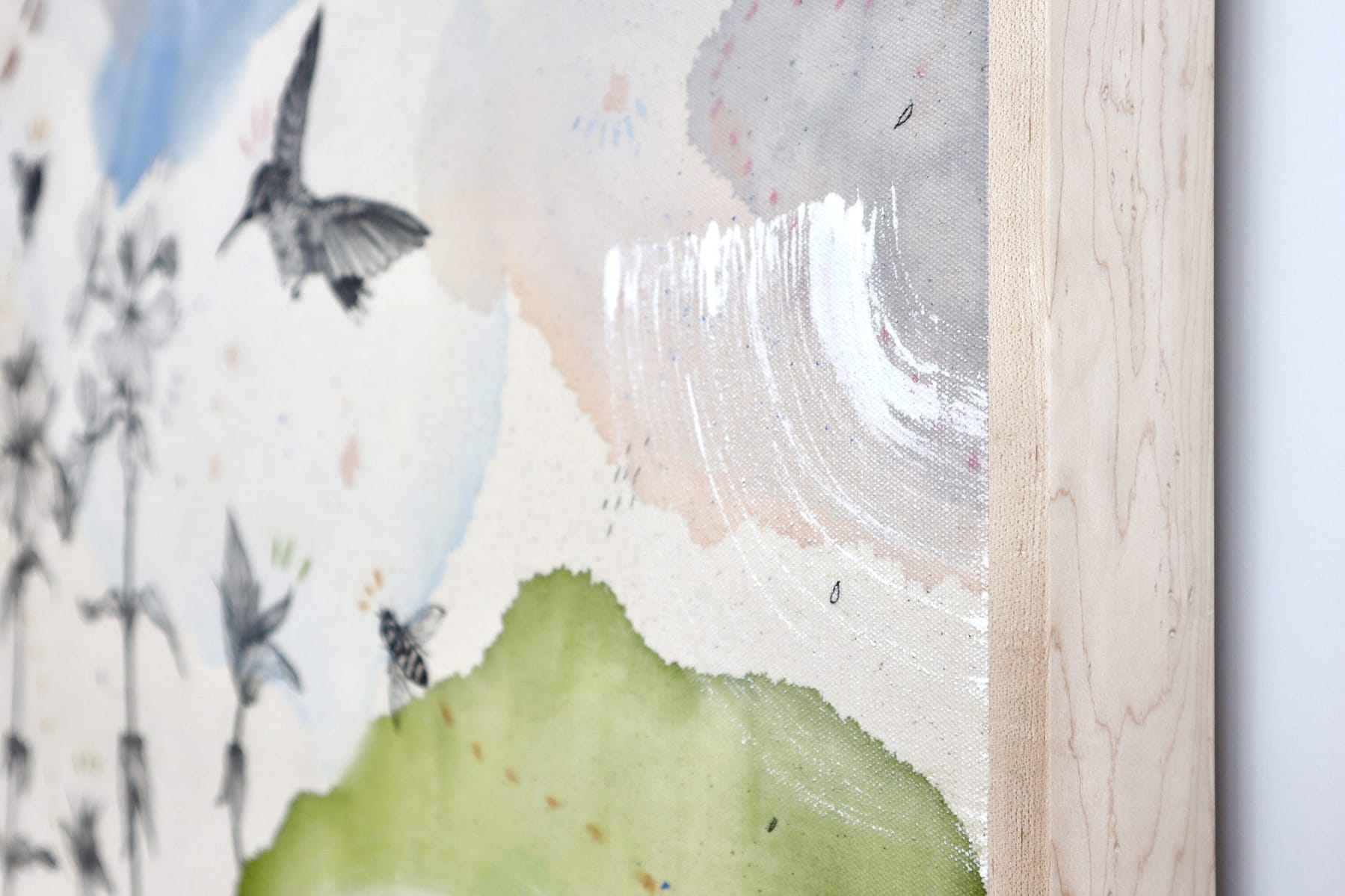
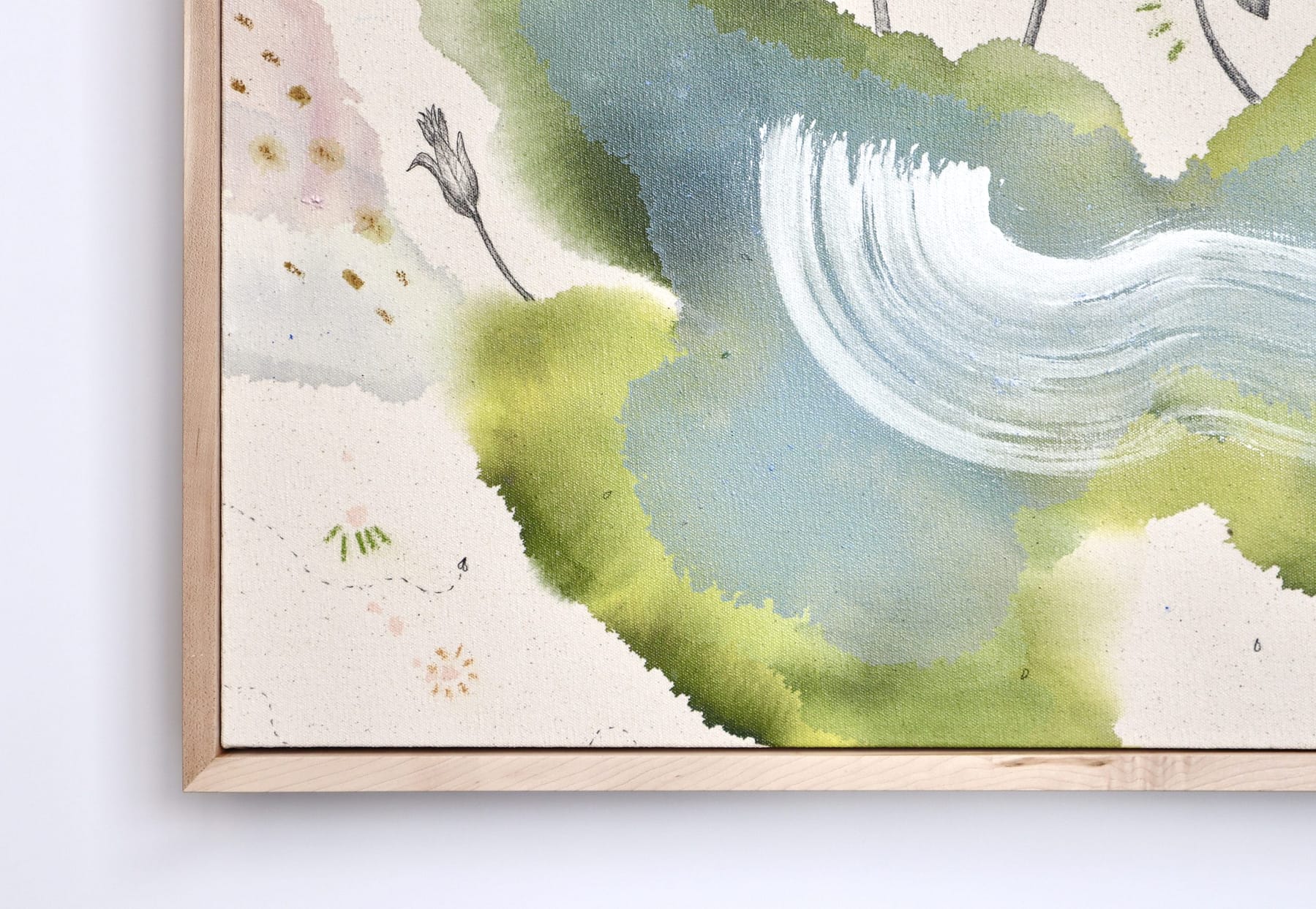
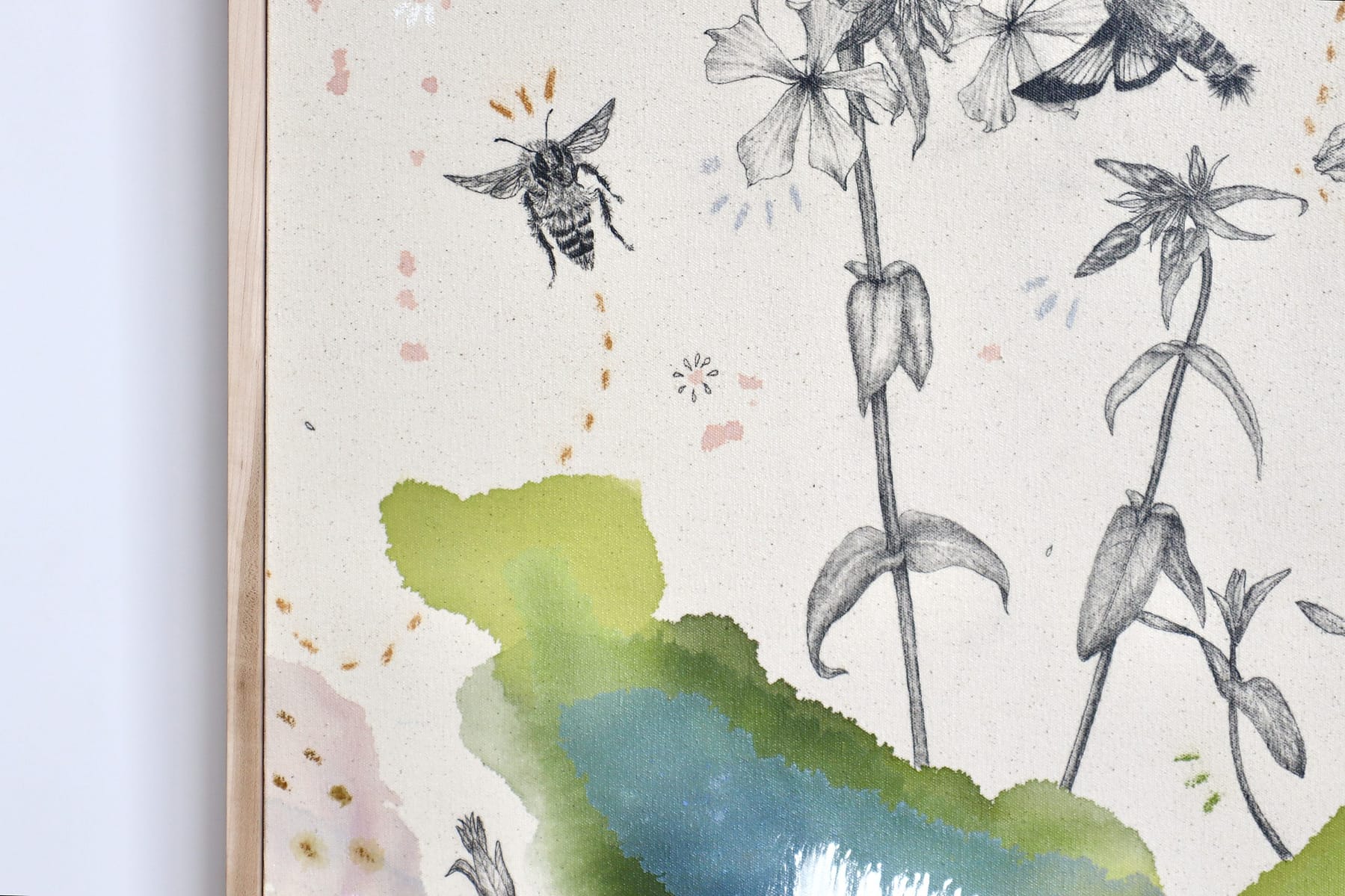
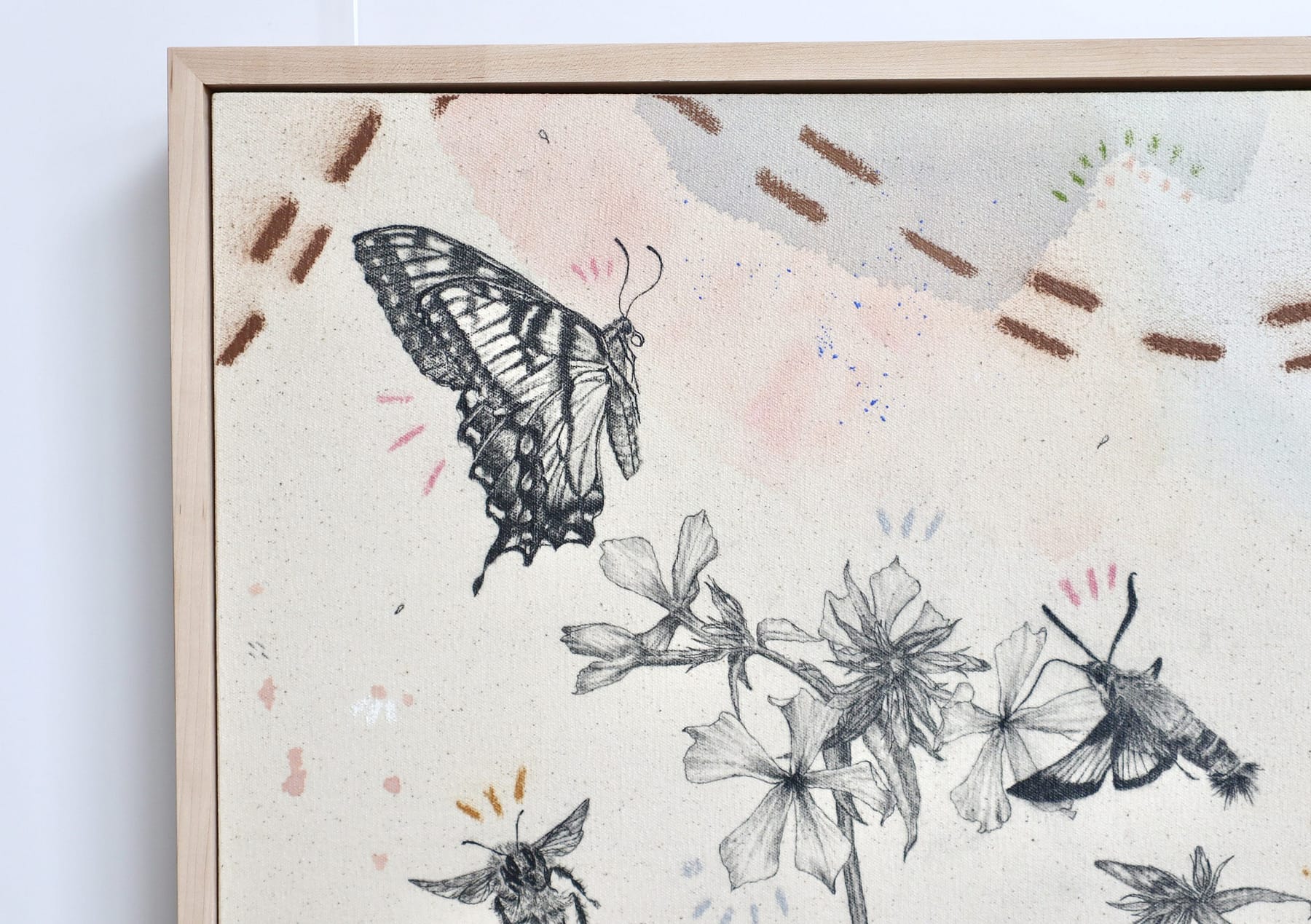
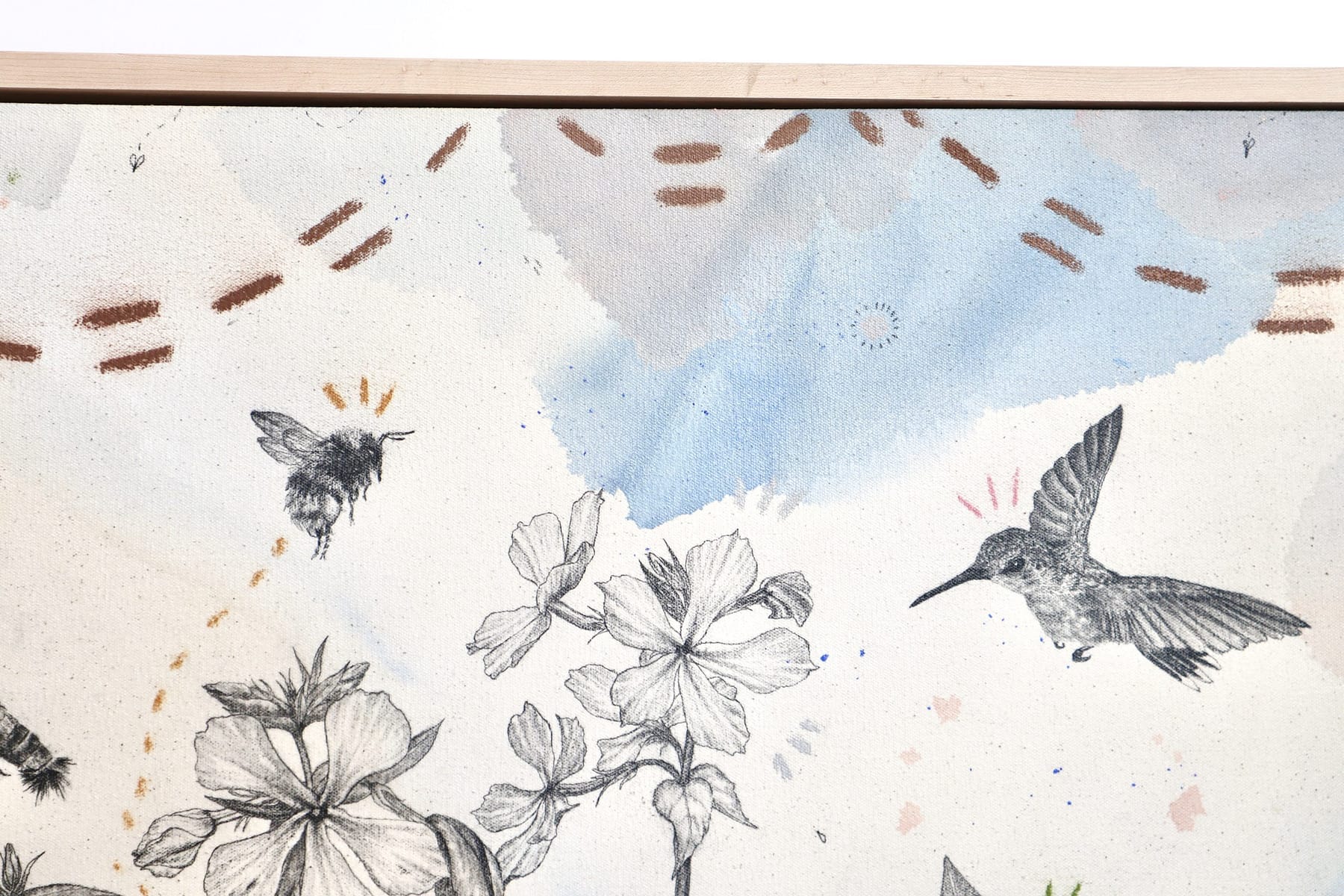
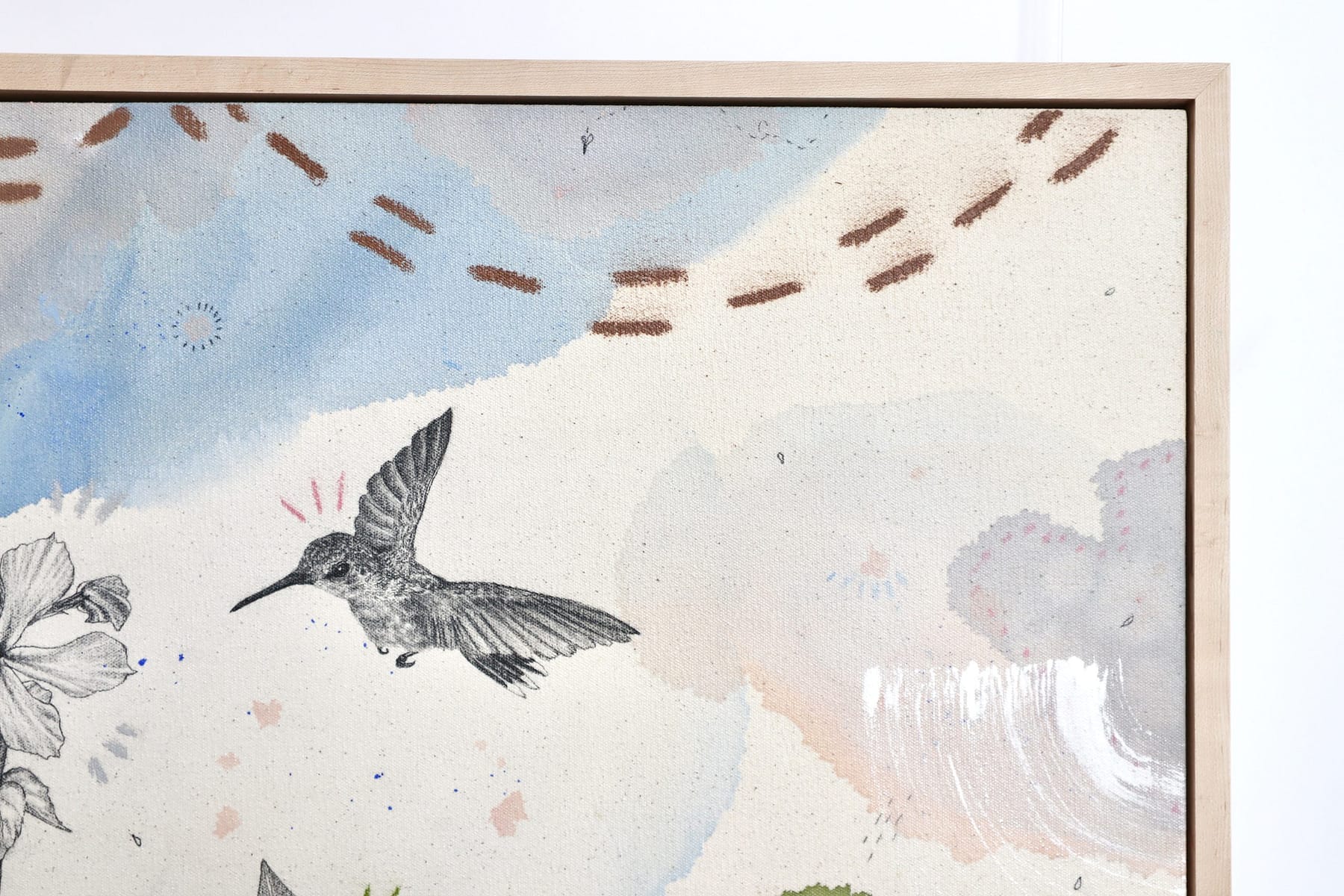
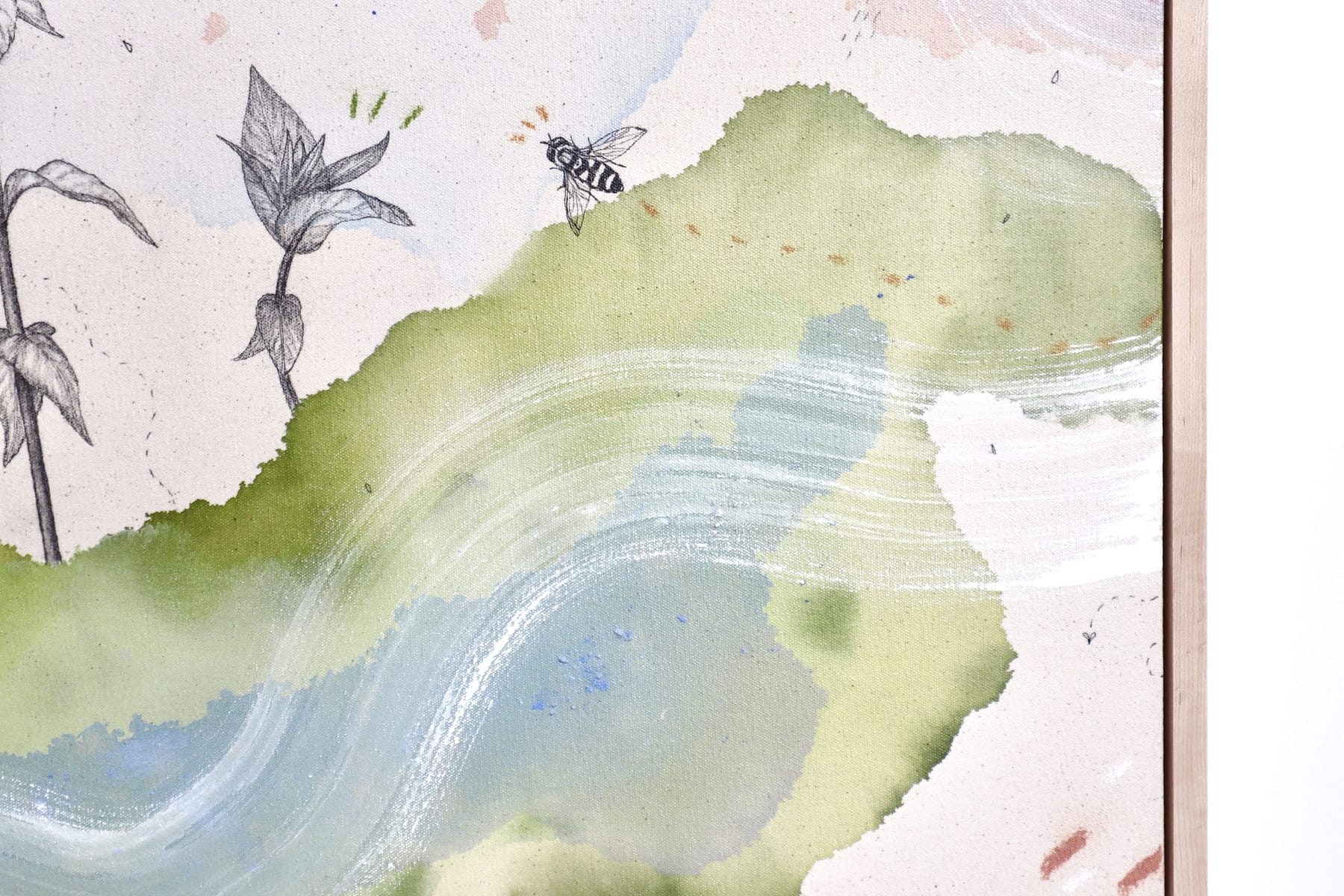
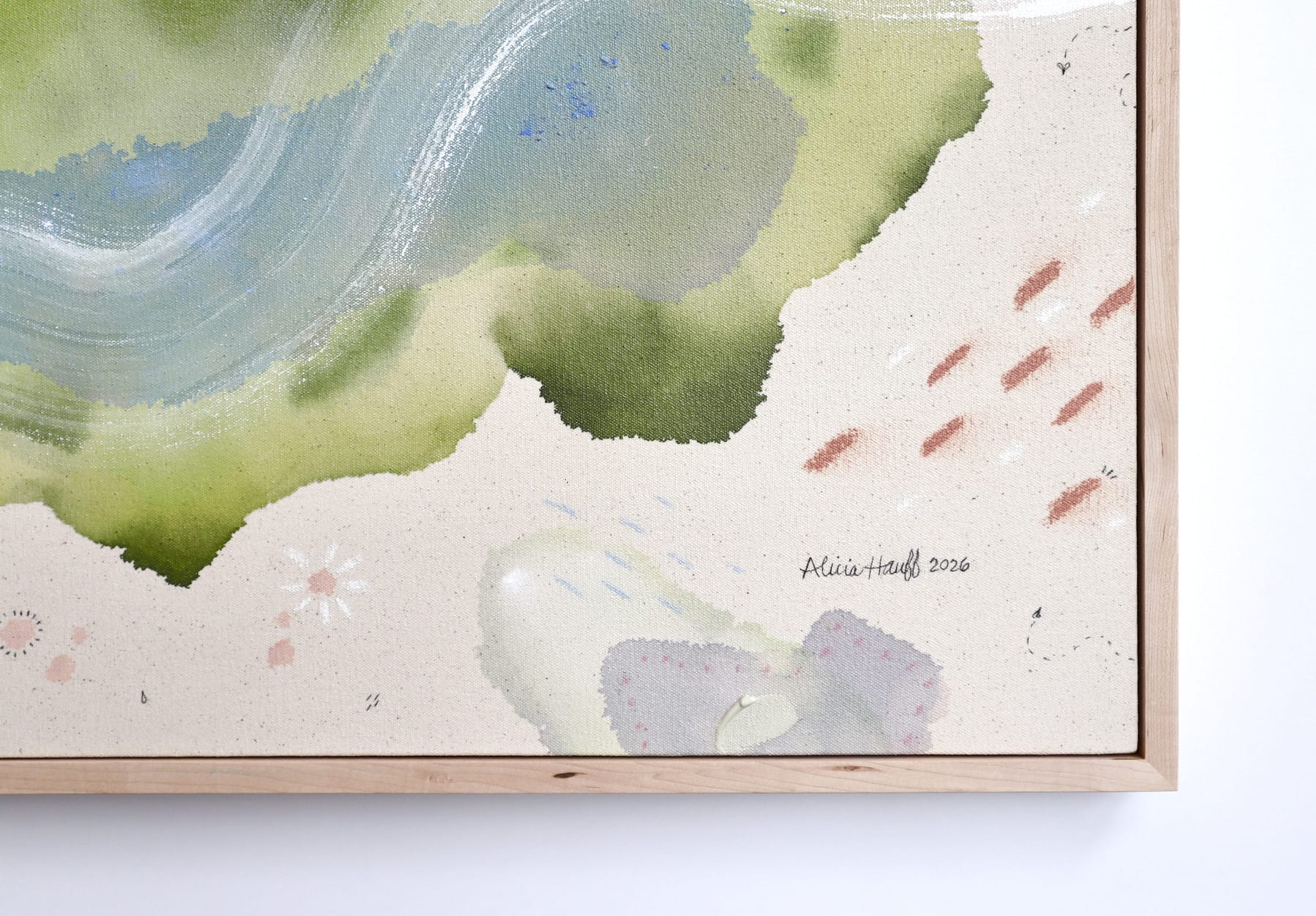
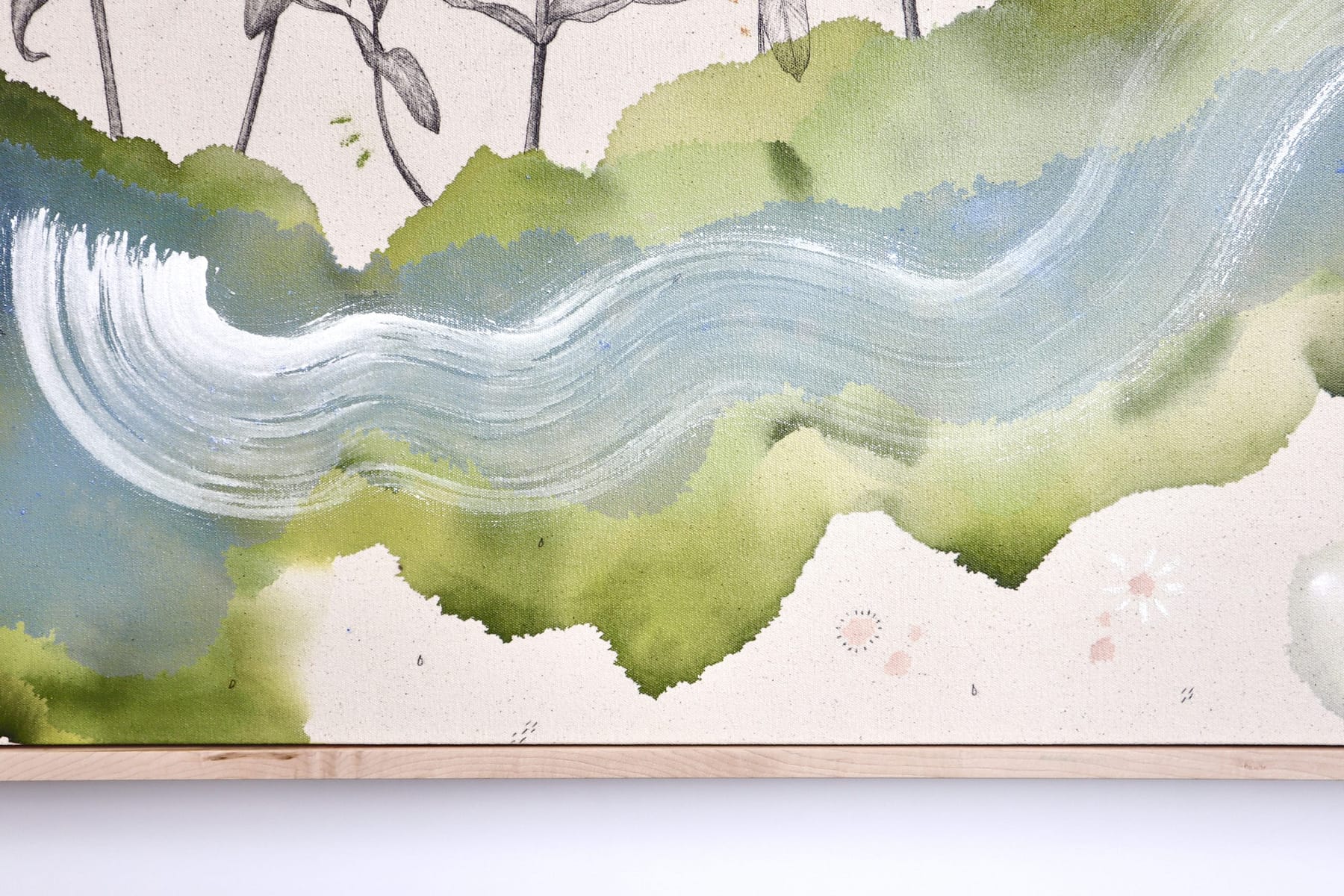
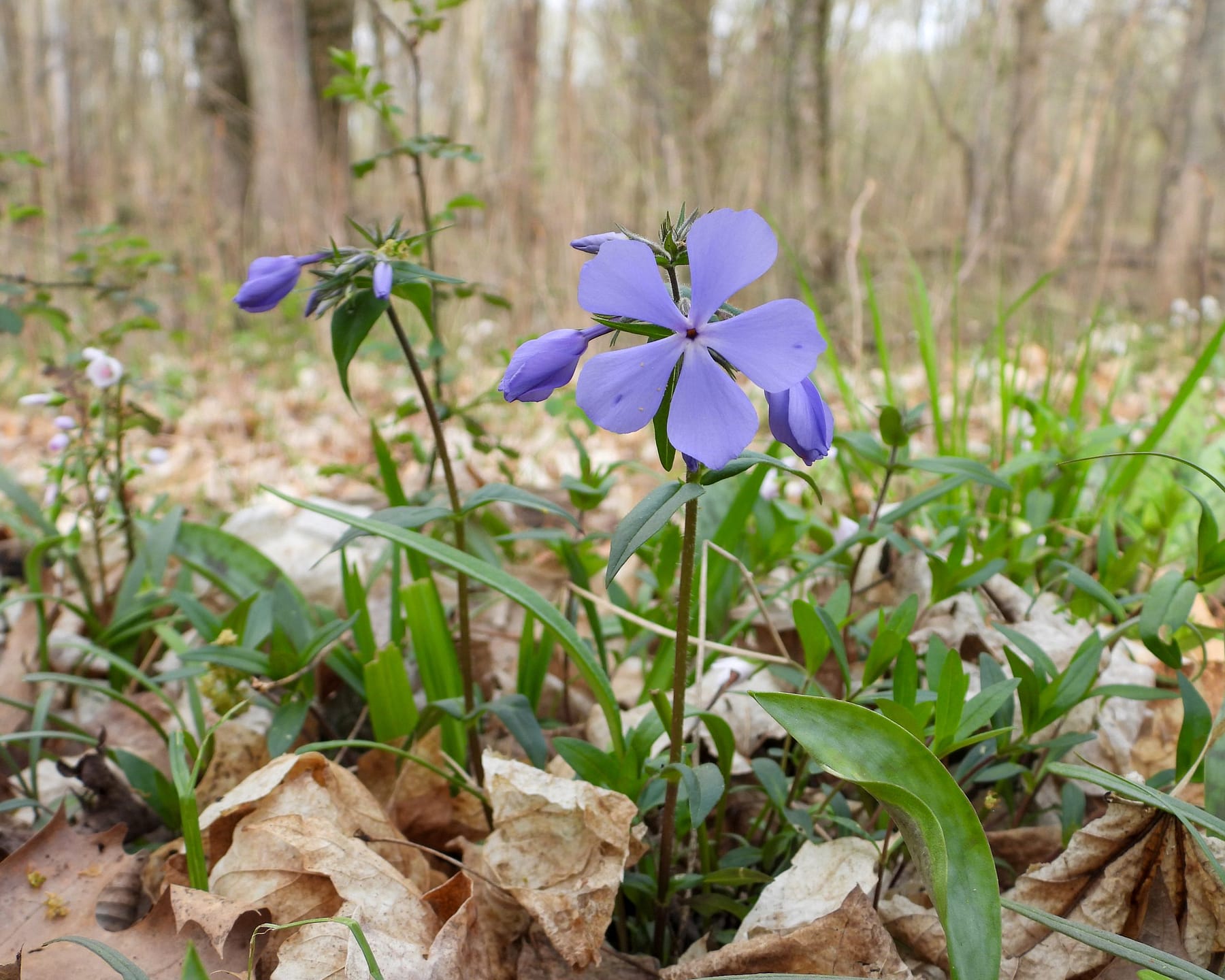
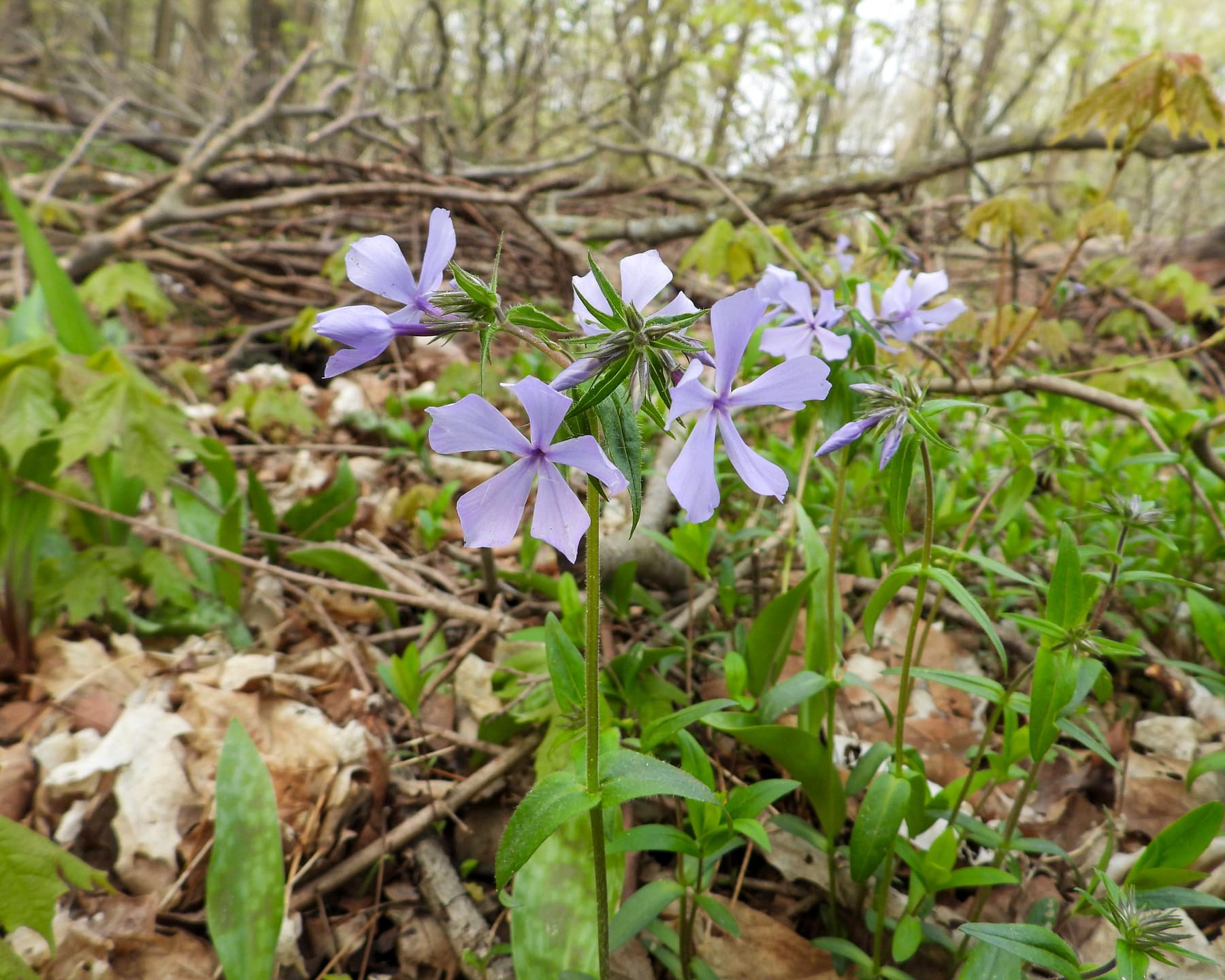
“Wild Blue Phlox, Woodland Sweetness for Pollinators”
$1,920.00
“The perfect phlox for shady areas, Wild Blue Phlox blooms for nearly a month in late spring and early summer. The fragrant flowers come in shades of pale lavender to blue, and occasionally pastel pink or white. The five-petalled tubular flowers are attractive to butterflies, clearwing moths, and hummingbirds.
The blooms are followed by rounded green fruits that eventually dry to seed capsules which split open to release the small black seeds. Blue Phlox does self-sow, but not aggressively, and the seedlings are easily transplanted. The flowering stems will die-back after the plant has produced seed, leaving a mound foliage to produce and store energy for the following year. The expired foliage tends to blend into its surroundings, and special care may be needed to learn to recognize and avoid pulling them.
Phlox divaricata grows best in light to medium shade and rich, moist, well-drained soils, but it is adaptable and tolerates both dry and clay soils. Once established, it is drought tolerant. Include it in native woodland gardens, naturalized areas, shaded rock gardens, or an informal low border. Other common names include Woodland Phlox and Sweet William.” (Source: Prairie Nursery)
This one is especially dedicated to my middle son, William, who is hands down one of the sweetest young men I know.
Pollination Facts:
Self-Incompatibility: Wild blue phlox is self-sterile and self-incompatible. Pollen must be transferred between genetically distinct plants for fertilization and seed production to occur.
- The Corolla Tube: The five petals are fused to form a long, narrow tube that is roughly 1-2 cm deep. This design limits who can access the nectar at the base, effectively “hiring” only long-tongued insects.
- Pollen Placement: Nectar is hidden at the very base, while the pollen is produced near the opening of the corolla tube. When a pollinator inserts its proboscis, its tongue and face make contact with the sticky pollen.
- Butterflies & Skippers: Recognized as the most effective pollinators for this species. Their constant movement between different plant patches ensures a high rate of successful cross-pollination.
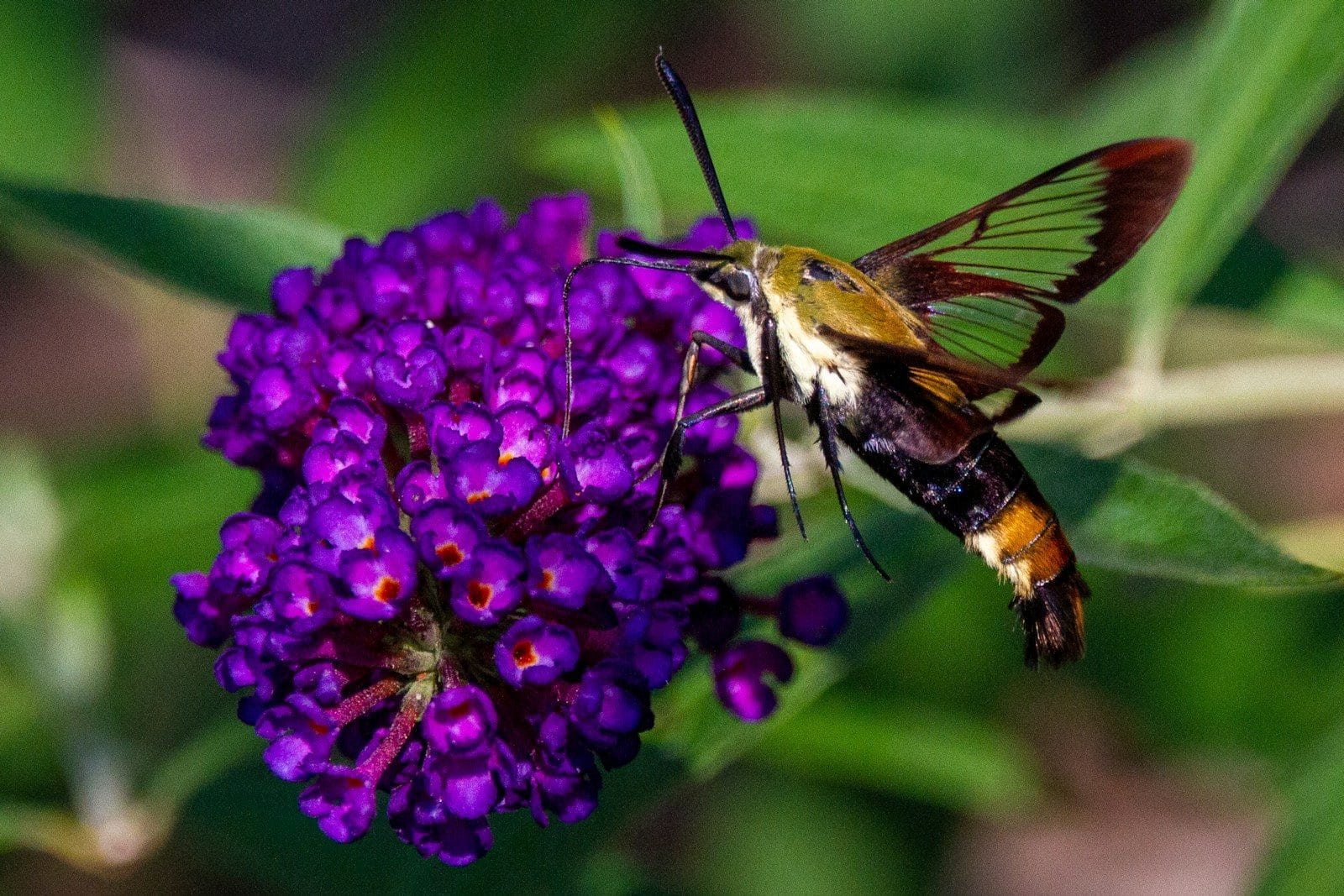
- Moths: Hummingbird clearwing and various sphinx moths possess the required proboscis length to easily reach the nectar.
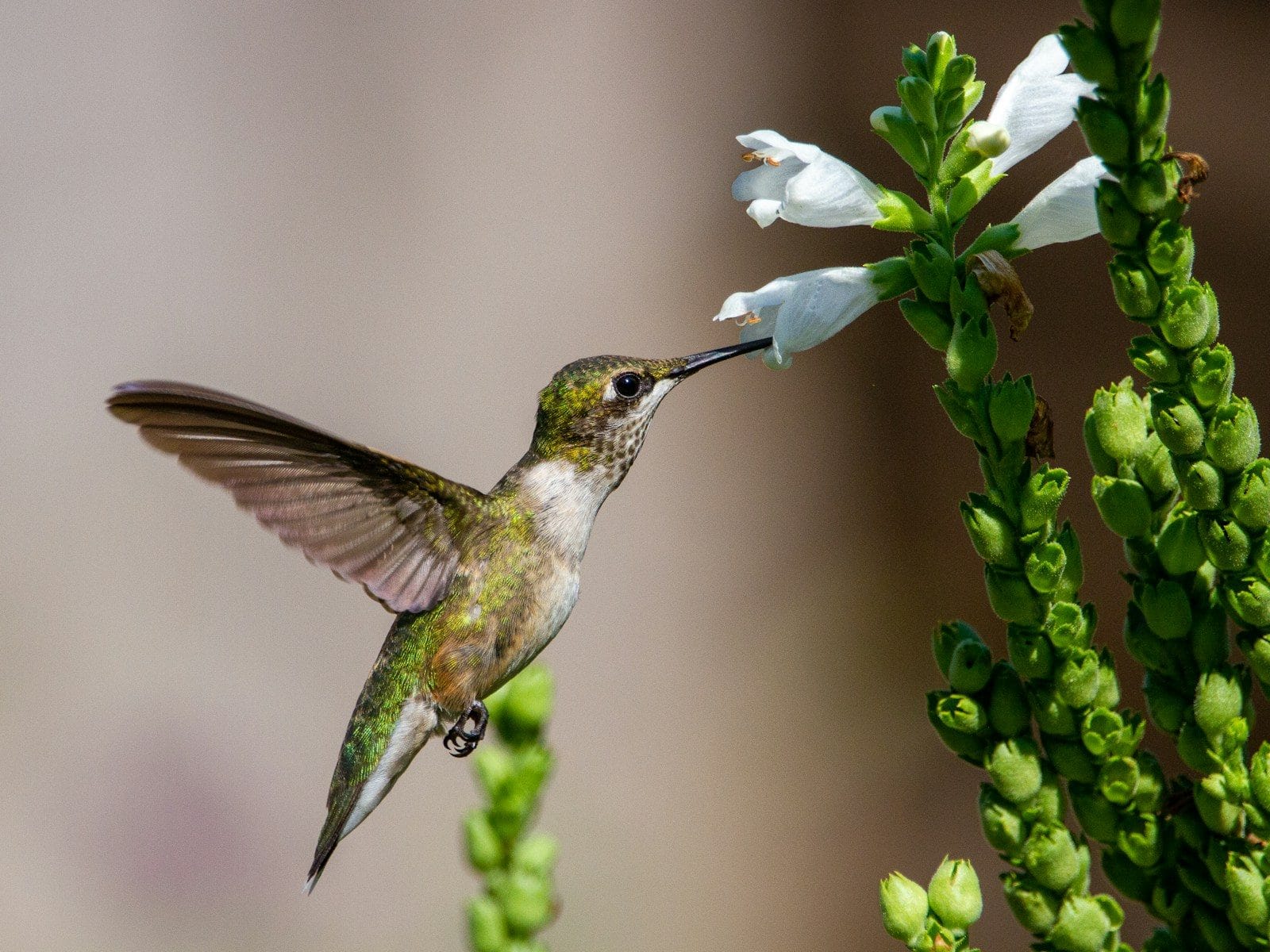
- Hummingbirds: They have long, slender beaks perfect for getting nectar from these tubular flowers.
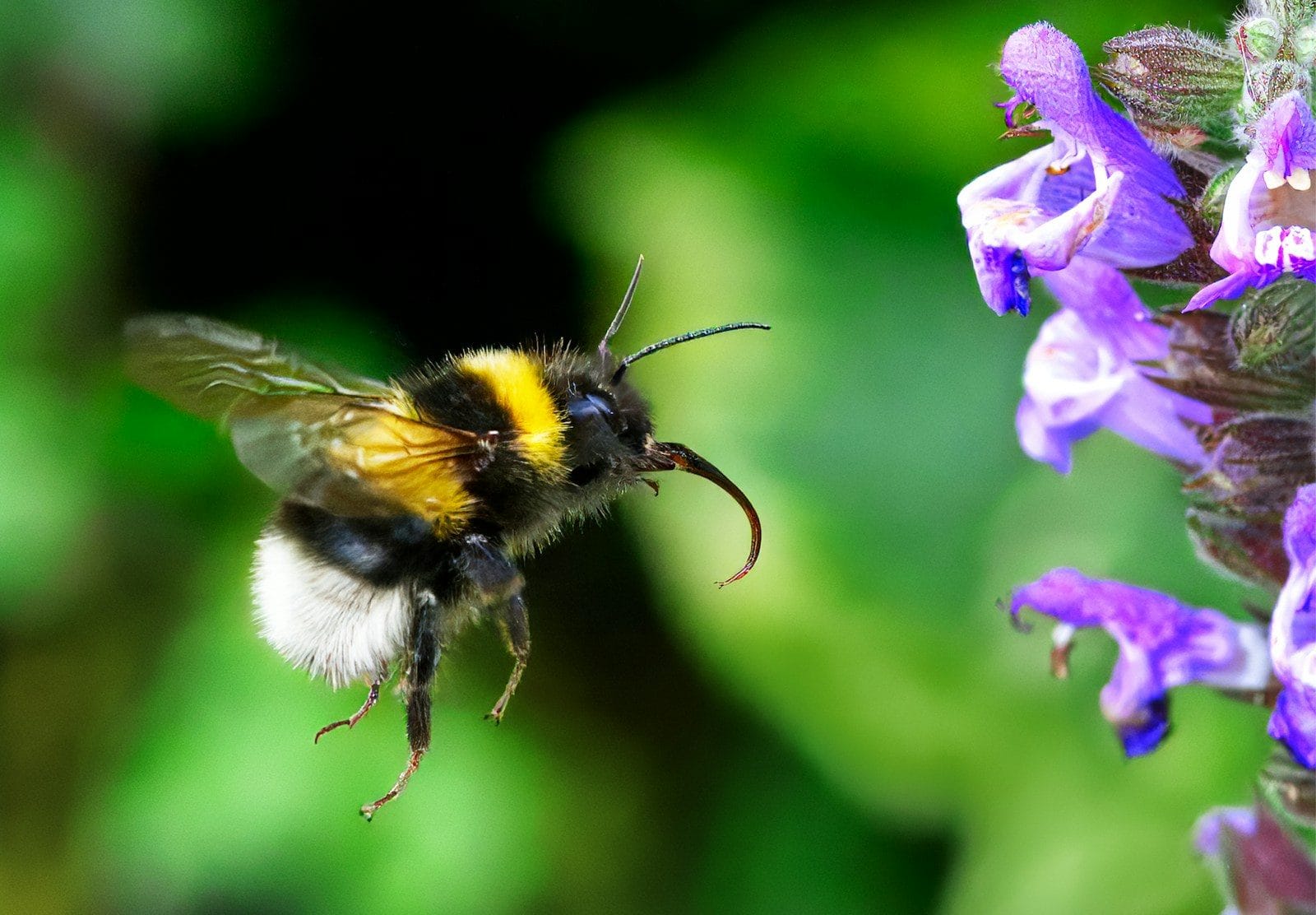
- Long-Tongued Bees: Bumblebees and similar long-tongued species are highly efficient foragers.
- Nectar Robbers: Some short-tongued bees (like carpenter bees) or other insects cannot reach the nectar from the top. Instead, they bypass the reproductive parts entirely by chewing a hole at the base of the corolla tube to “steal” the nectar.
- Pollen Feeders: Smaller flies and short-tongued bees will visit the flowers to eat or gather the pollen, though they are usually too small or have tongues too short to act as effective pollinators.
Who is in this piece?
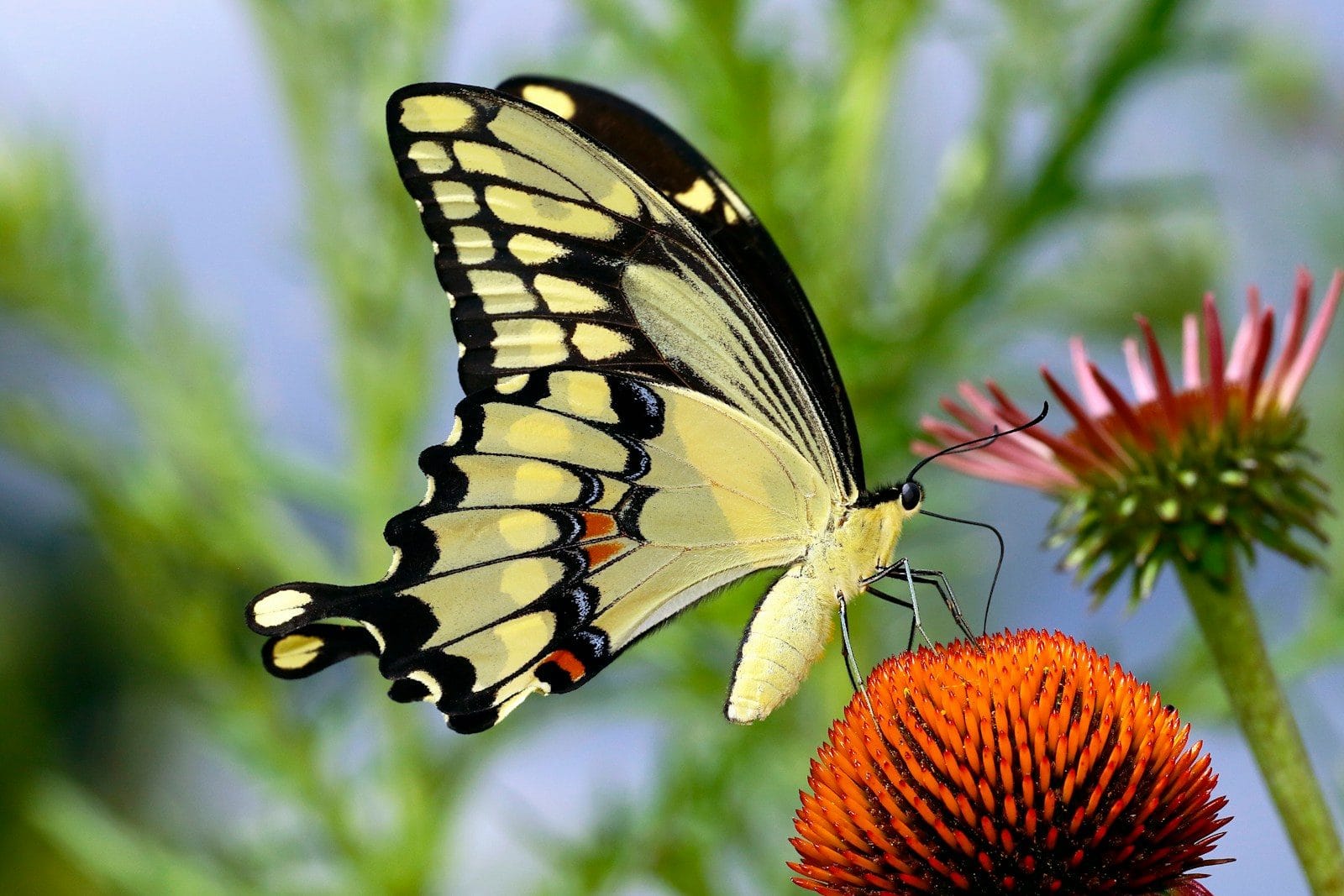
This piece features a Ruby Throated Hummingbird (upper right), a Hoverfly (right center), two Bumblebees (upper center and far left center), an Eastern Tiger Swallowtail Butterfly (upper left), and a Hummingbird Clearwing Moth (left center).
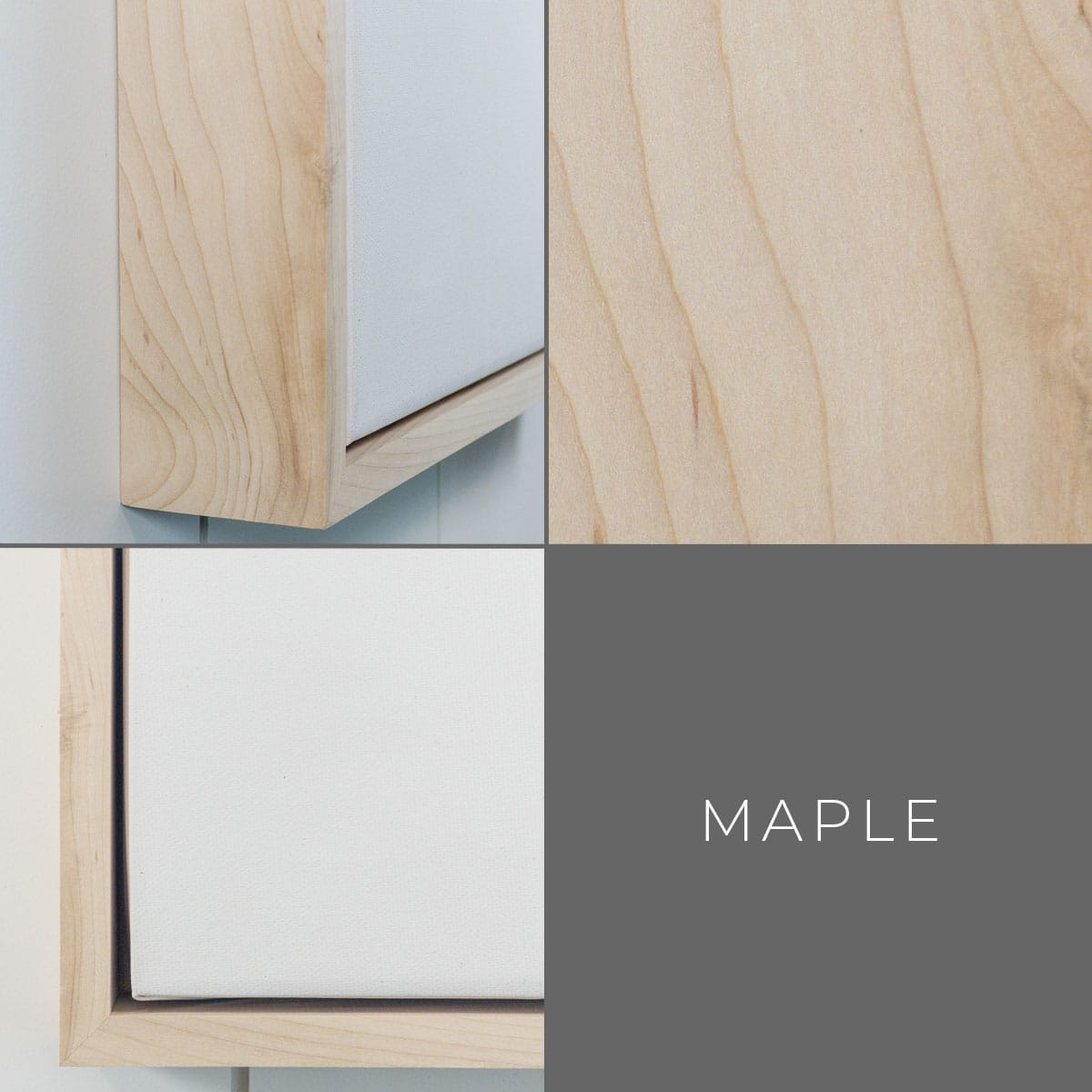
Frame Details: Hard maple float frame
Framed Size: 31x41x2(inches)
View Frame Options Gallery >
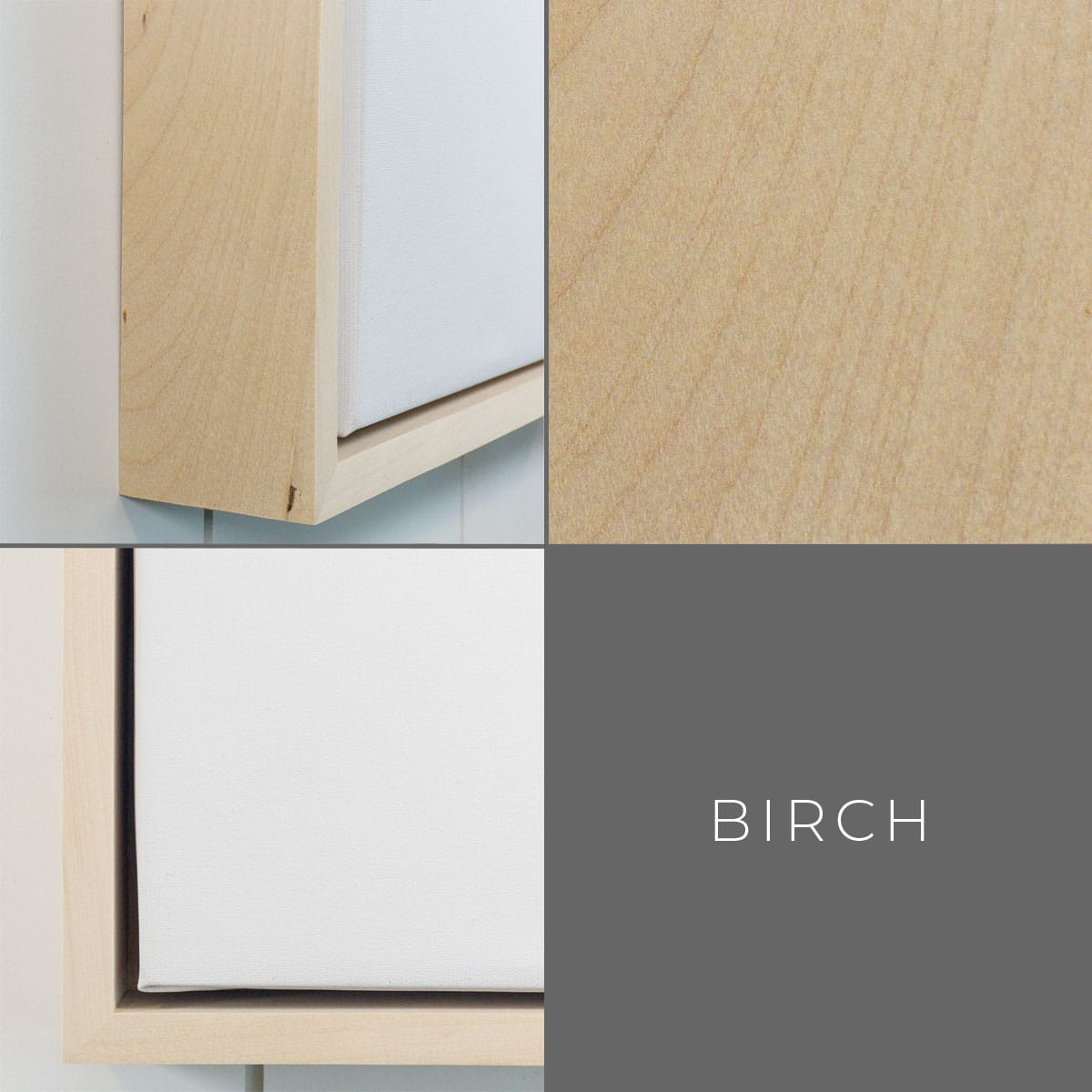
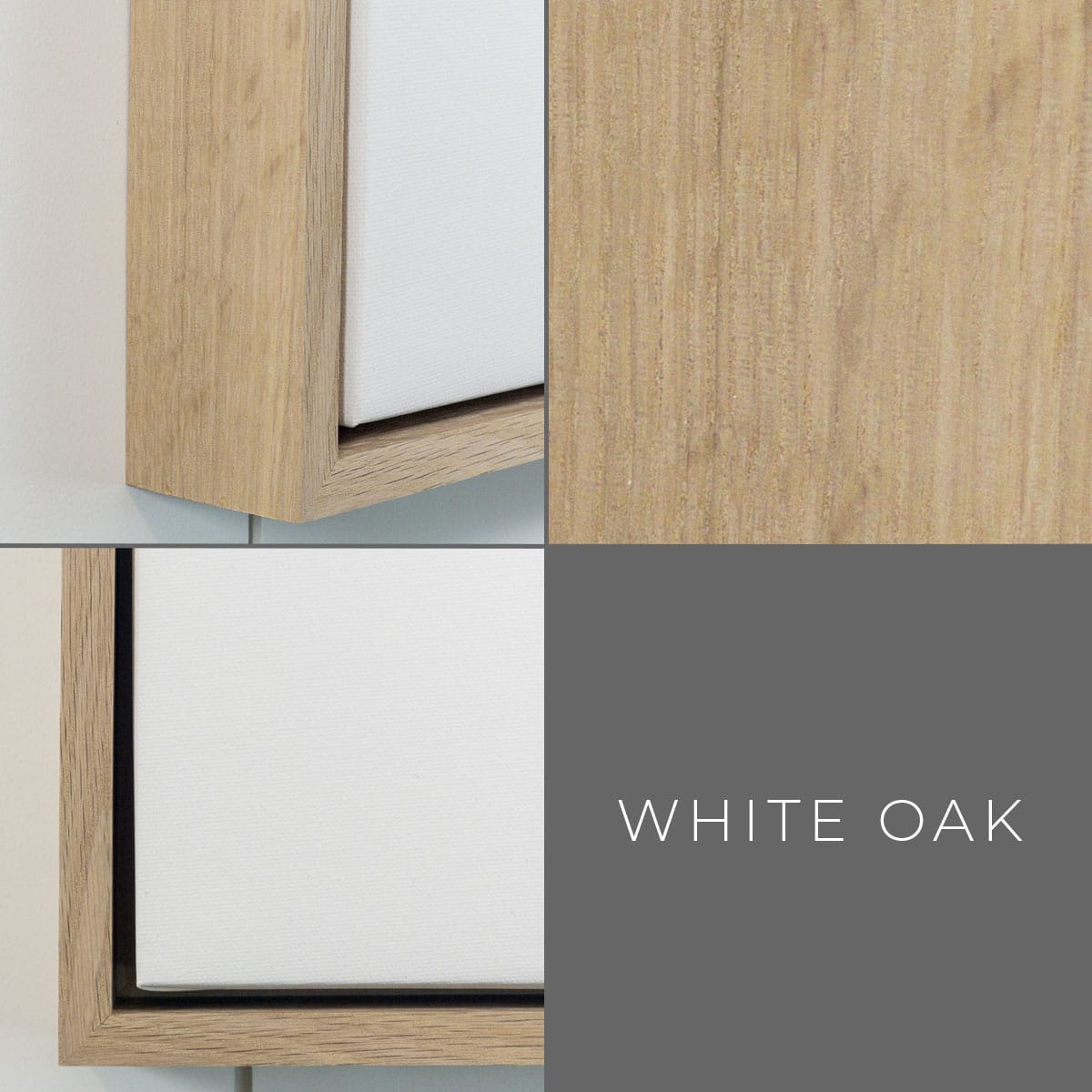
We offer hand made custom frames constructed from natural wood of your choice. Click on the photos below to open and preview the frame options.
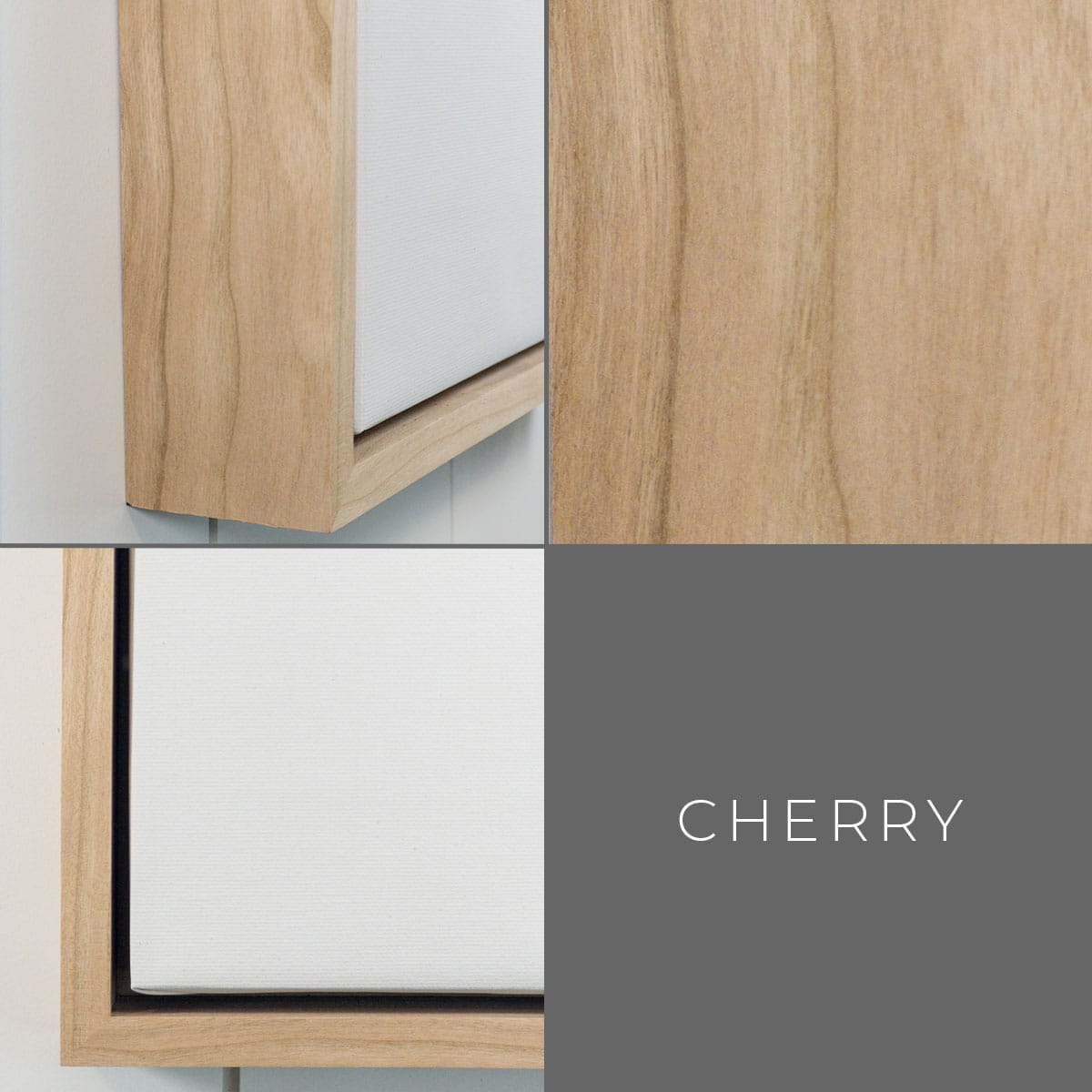
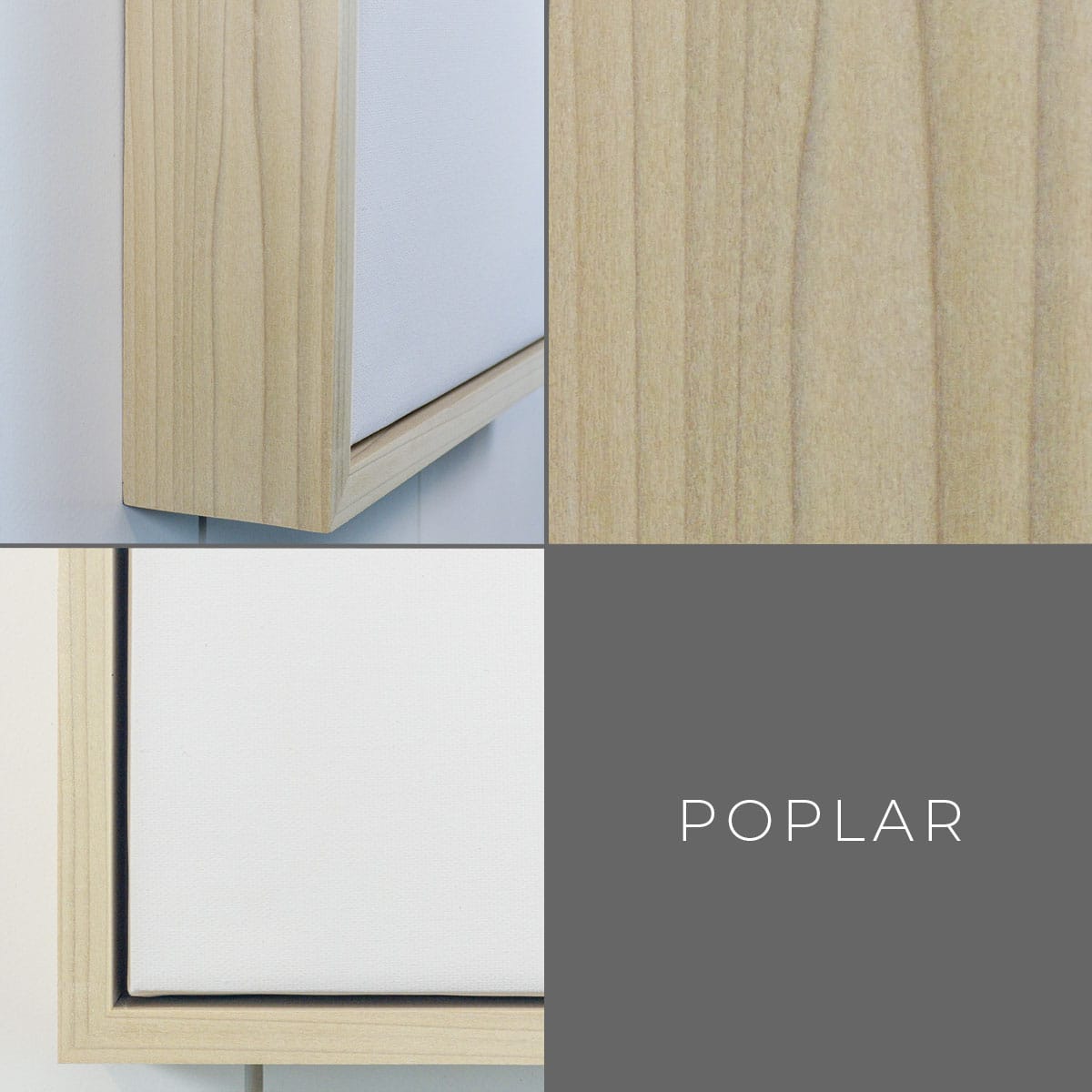
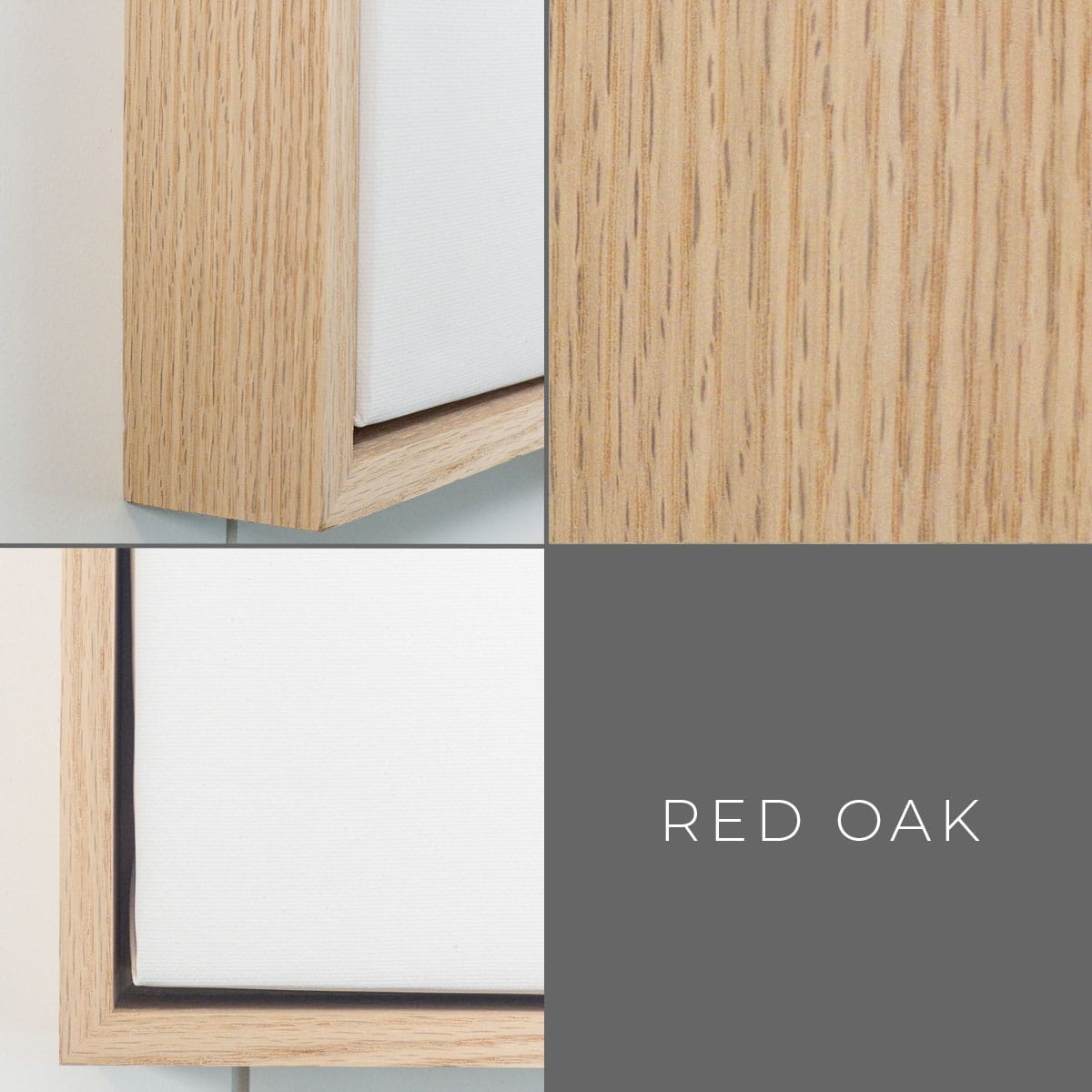
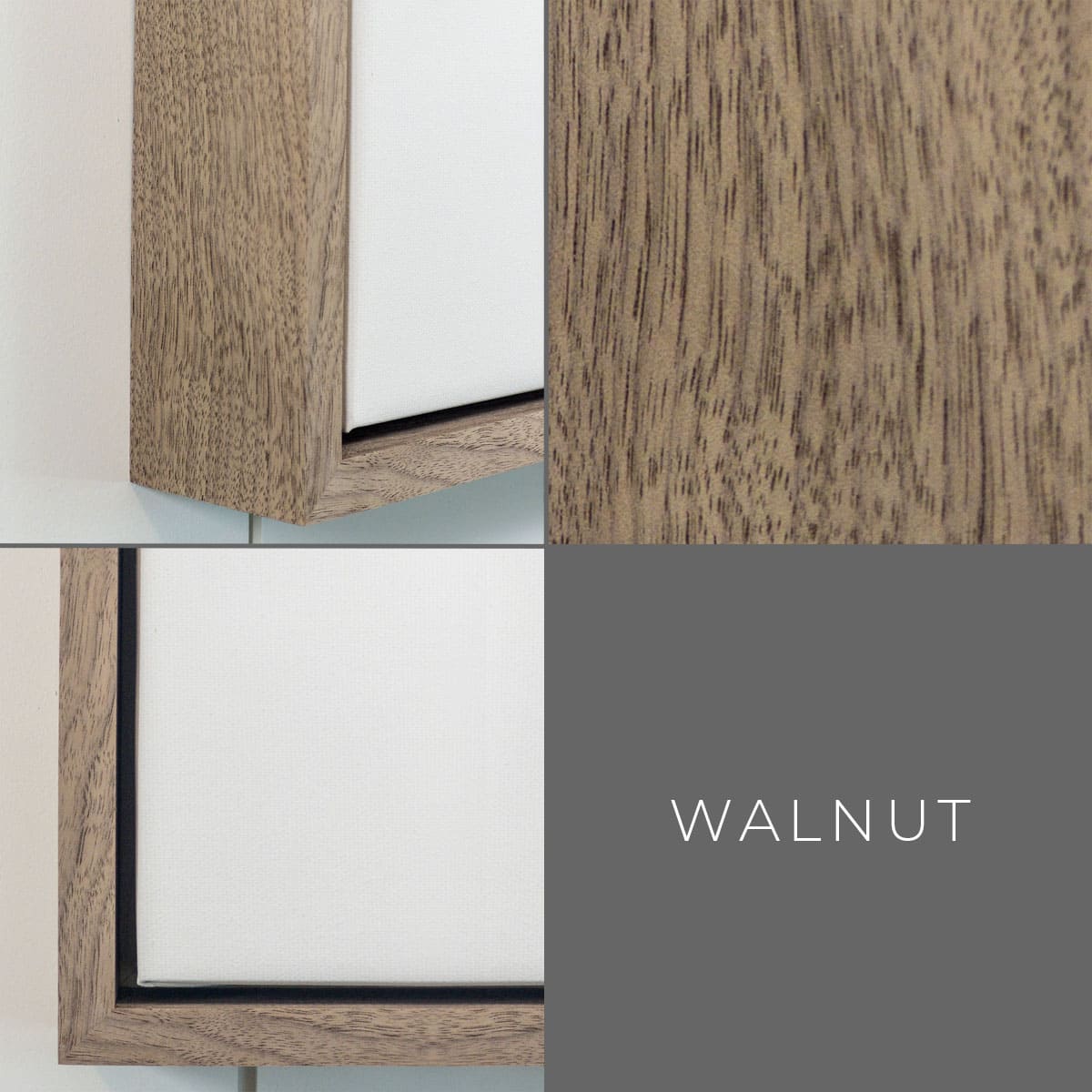
All orders will be shipped in 3-10 business days via USPS Priority mail, UPS or FedEx, depending on the size of the item and whether framing was desired. For medium to larger works, and if crating is needed to safely ship, it will be UPS or FedEX. USPS can ship larger works but it is a lot more expensive!
If I anticipate framing will take longer for any reason, I will reach out and let you know! You will receive a tracking number via email once the work has shipped.
If you are in the Fargo-Moorhead area and wish to pick it up, please select STUDIOPICKUP at checkout. I will have a table in the front lobby with your piece labeled for pick-up between the hours of 8 AM and 5 PM. I will always try to say hello if I am in the studio!
Thank you for supporting a small business!
Shop My Artwork


Footer