
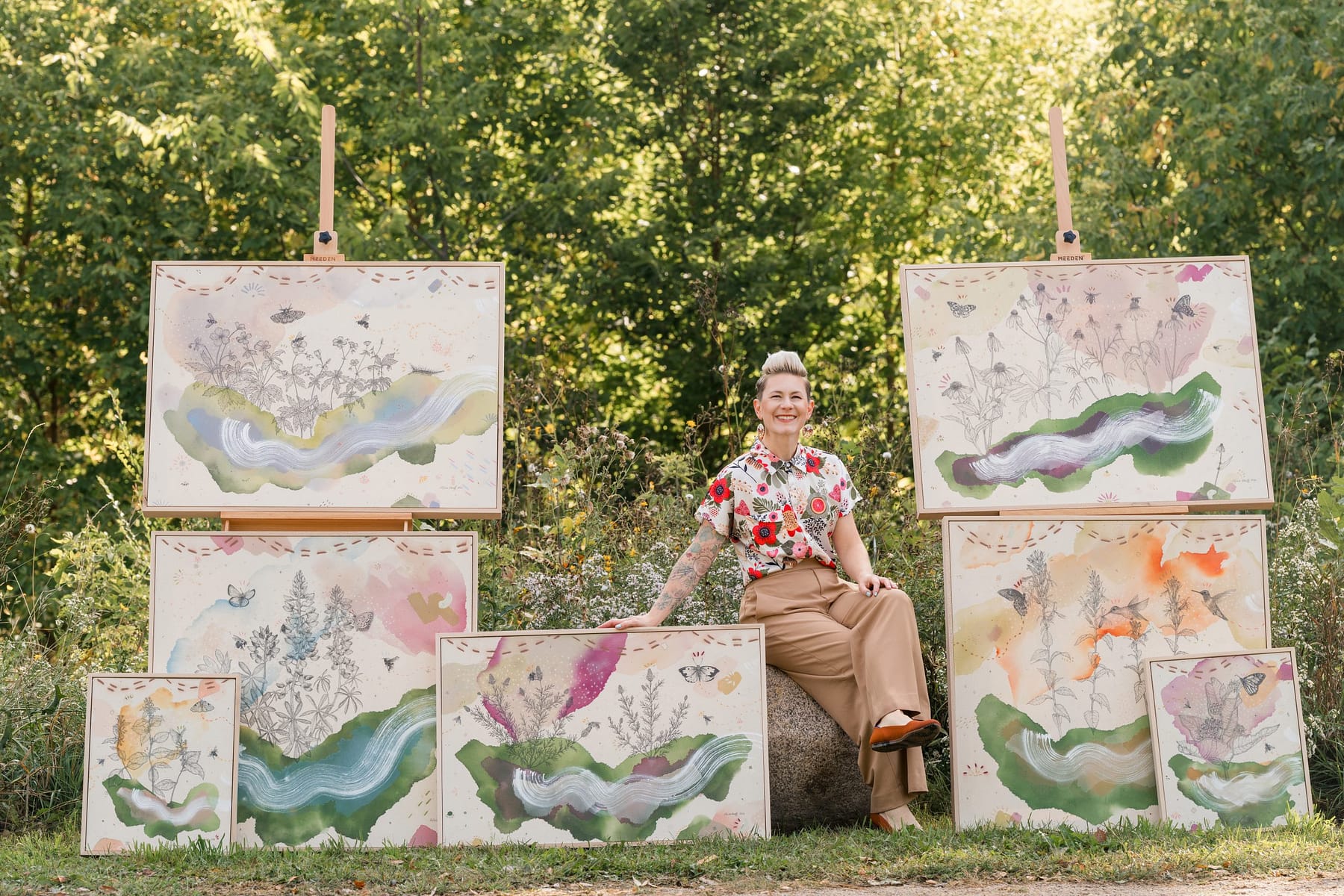
"Bee Neighborly : pt. 2"
“Ecosystems with living components that can't relate to one another are ecosystems that don't thrive. And the certainly don't make significant inroads helping species adapt to climate change or, perhaps, extinction. We need to ask ourselves how every plant is contributing to the rich language of the garden--not just the visual aesthetic but also the much more valuable and central underlying languages that time has forged among insects, beetles, spiders, and birds.”
~Benjamin Vogt, Nebraska-based scientist & author of “A New Garden Ethic

The Invitation
One summer day six years ago, I was standing next to one of our back perennial garden beds perplexed. A 2 foot tall spike of something I did not recognize was standing, looking back at me. No flowers, just slightly serrated, pointy-tipped leaves alternating up the stem. I had planted Liatris there in previous years, but this didn't look like those. I shrugged. At least it wasn't a weed. I had plenty of Canadian thistle to deal with.
Two years later, I am standing in the same spot, and notice this plant is beginning to bloom: Goldenrod.
The closest Goldenrod (Solidago) plant I had met was in the next neighborhood, where the developer planted areas of restored native prairie. It was the first area in Fargo I got to see plants native to the region all in one place. How did Goldenrod get all the way over here? No one else in my neighborhood has Goldenrod in their gardens.
There is now a healthy cluster back there--and an array of pollinators who visit. The year I started learning about native plants and shifting my work focus was the year Goldenrod started blooming. It seems we were both blooming together.
The name for Goldenrod, Solidago, means "To make whole, to heal, to strengthen." I had no idea this plant had invited me into something new that would, in fact, heal and make me whole.



Attention as Devotion
I thought I knew what this year was going to be about: learn about pollinators, then turn that learning into action. But there is a third element I didn't plan for. The change that happens to you, the tender, the gardener, when gardening with an invitation.
To build something for someone else, or many someones, is a call and invitation. Maybe it's one of the highest forms of creativity--like mothering? We built and planted the vertical pollinator garden in May, some of the plants grown at home. There have been some bumps, like the drip watering system coming apart in one area and that shelf dying in the hot July sun. But we keep learning and adjusting.
There is a specific joy that arrives when the guests you invited to the garden begin to arrive, even some you didn't anticipate. One afternoon a group of Mourning Doves congregated next to the garden. On another, a tiny cottontail took a break in the shade of one of the large planters. Bees, butterflies, Bee flies, Hoverflies, all stop by to enjoy the garden. Meanwhile, the plants tell me where there isn't enough sun and what to do differently next year.
This is relational care as infrastructure.
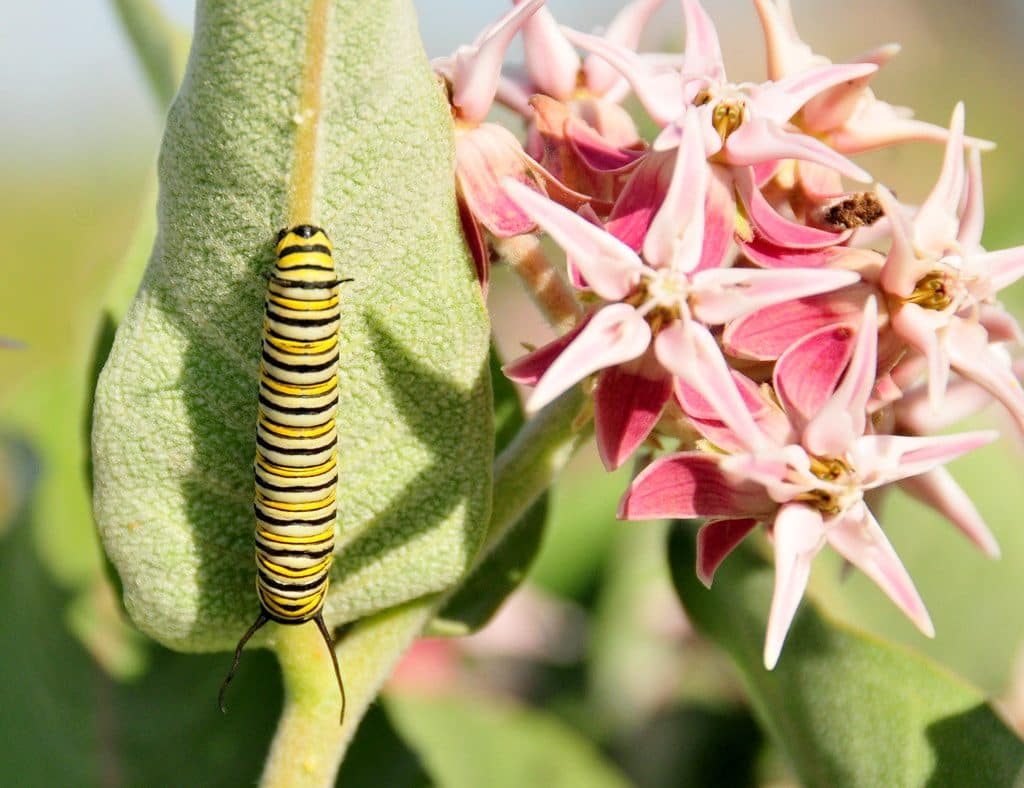
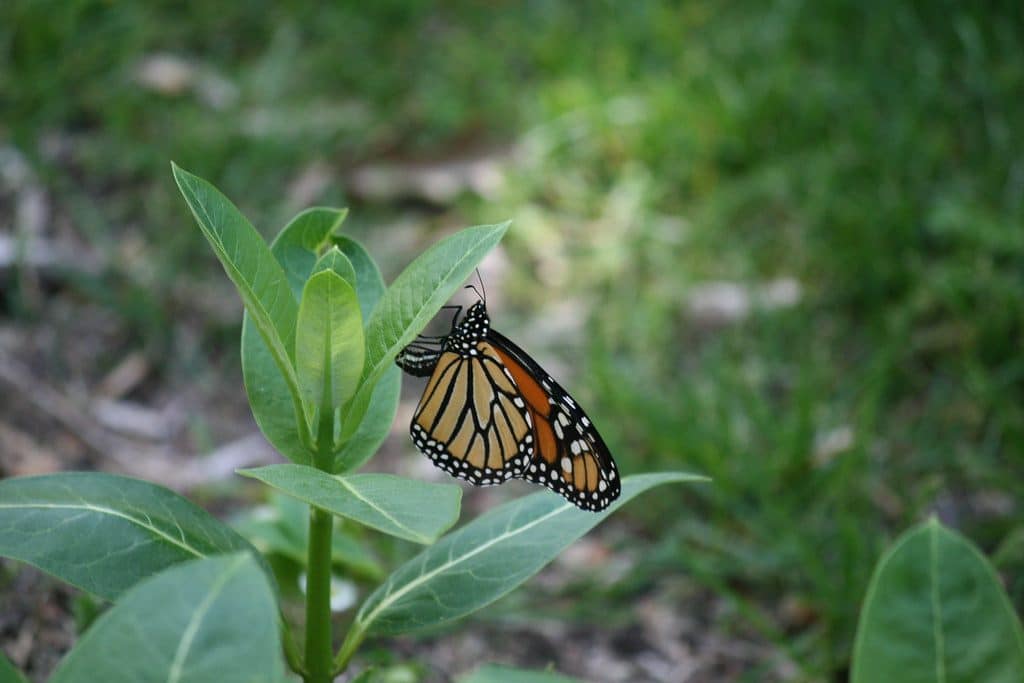
Meanwhile, our home garden is filled with activity. After Goldenrod said hello several years ago and catalyzed something new, Milkweed arrived with her own wonders. She is blended in with the grasses in a front perennial bed, and flowered most of the summer. But before she started flowering, she invited me to see something. I was walking to the mailbox one morning and saw a Monarch fluttering around the Milkweed plants. There were no flowers yet for nectaring, which meant one thing: this Monarch mother was going to lay eggs on the leaves.
It was a moment of the sacred on this seemingly mundane morning: another mother placing her hope for the new in the garden I was tending. I have known what Milkweed means to her, and welcomed many into the garden. Because the garden isn't just for me. It's for us.
For the rest of the summer, especially 2-3 weeks after this moment, I visited Milkweed and observed carefully. I found caterpillars at different instars (stages of growth), watching her children munch, but never found a chrysalis. Maybe they were food, or were really good at hiding. Monarchs have a special relationship with Milkweed, but they are far from the only visitors.
Milkweed has her own ecosystem. I noticed Damselflies, a variety of beetles, various native bees including Leafcutters, wasps, Hoverflies, and more. I watched how they all interacted on this one native plant. And over time, the act of returning to look, notice carefully, became a ritual. A practice.
Attention is tending, a form of devotion, and a way to give back. Two native plants invited themselves into the home garden, and invited me to see not just with eyeballs and a phone camera. But with heart. With gut.
There is a whole web of diverse life that asks us: will you come see? Will you come and add your thread to this?


Observation as Craft
What I didn't know that while I have been growing and tending the garden, the garden has been growing and tending me.
Resources for Learning & Taking Action
Pollinators need us, and we need them.
Pollinators are responsible for 1 out of 3 bites of food we take each day. They are essential for the health of our ecosystems and the health of many of our food crops. However, pollinator populations are declining worldwide largely due to habitat loss and pesticide poisoning. Even small changes in our own backyards can help pollinators survive and thrive. Like all of us, these hard working creatures need food, water, and shelter.
Learn more about pollination, pollinators, and a brief overview here.
A cool page about native bees here
Planting a pollinator garden
Find ecoregional planting guides here
Get a list of plants tailored to you here with the Find Your Roots tool
Offer variety.
Ensure that different types of pollinators visit your yard by planting flowers of different shapes, sizes, and colors. Planting flowers in clumps, rather than scattering single flowers throughout the yard, makes it easier for pollinators to locate their next meal.
Bee Safe
Learn more about the when, what, and where to use pesticides in pollinator friendly ways here
Limit the use of pesticides.
Before using a pesticide, ask yourself: Are flowers in bloom or are pollinators active during the pesticide application? Are there alternatives to using the pesticide? Am I applying the pesticide according to the instructions? Remember, pollinators can be harmed if they consume nectar or pollen that has come into contact with pesticides. You can also help reduce the risk of exposure by applying pesticides at night when pollinators are inactive.
Become a Certified Pollinator Steward
Interested in the Pollinator Steward program? Learn more here!
Other Ways to Help Pollinators Right at Home
Leave the leaves.
Dead leaves and plant material are food and shelter for pollinators in the winter. Resist the urge to rake your leaves in the fall and let them support pollinators throughout the winter season. You can also create a brush pile in a designated area.
Provide nesting and overwintering areas
Remember that different types of pollinators require different things. Some bees and pollinating beetles may use downed tree limbs and logs; many butterflies lay eggs and rear their young on plants;a small patch of bare ground might serve ground-nesting bees. Potential nesting sites include trees (both living and dead), shrubs, brush piles, bare ground, and bee boxes.
If you want to build a bee box, watch this video here please!
Sources: Pollinator Partnership and National Park Service

Becoming a Steward: Story Behind the Process

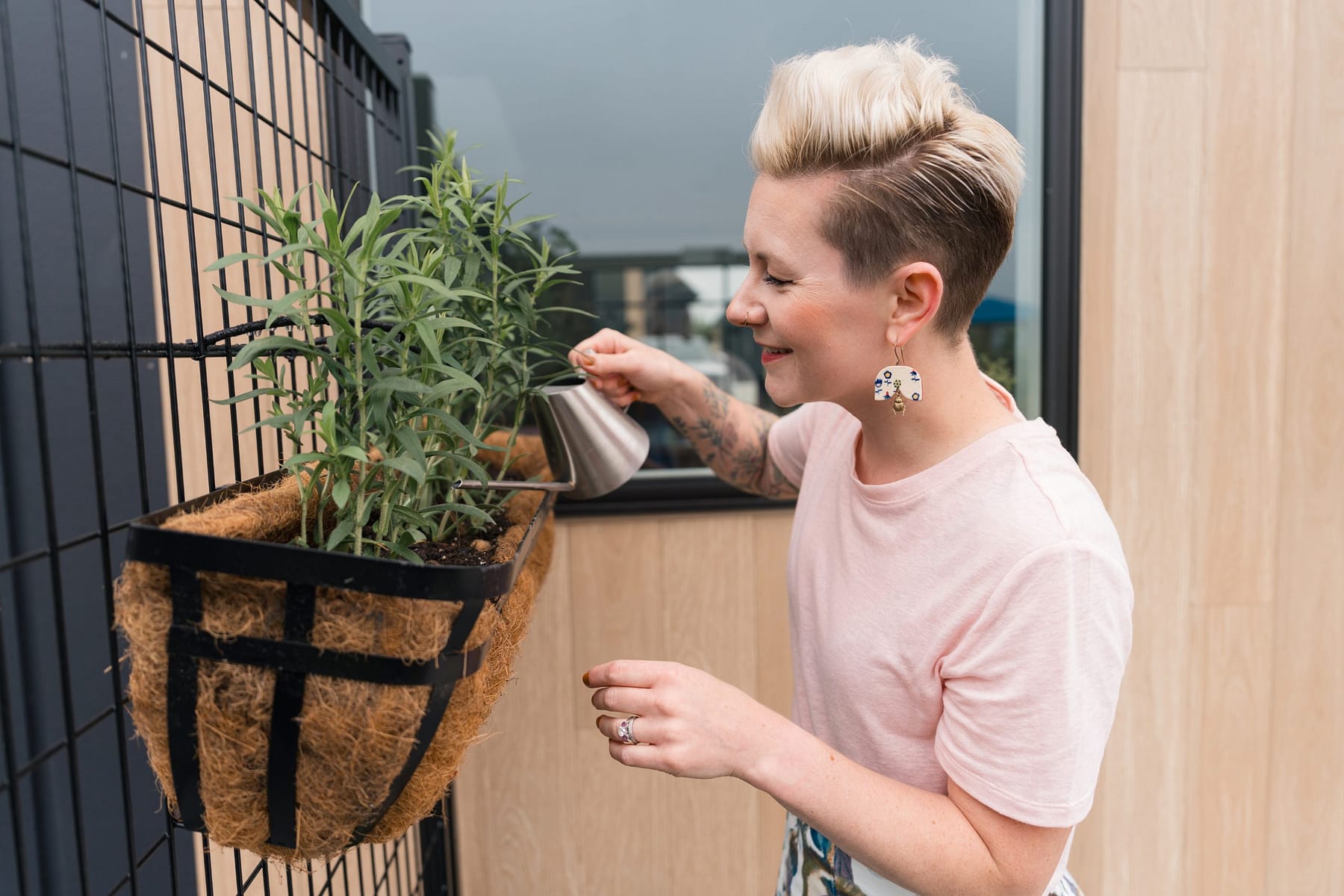
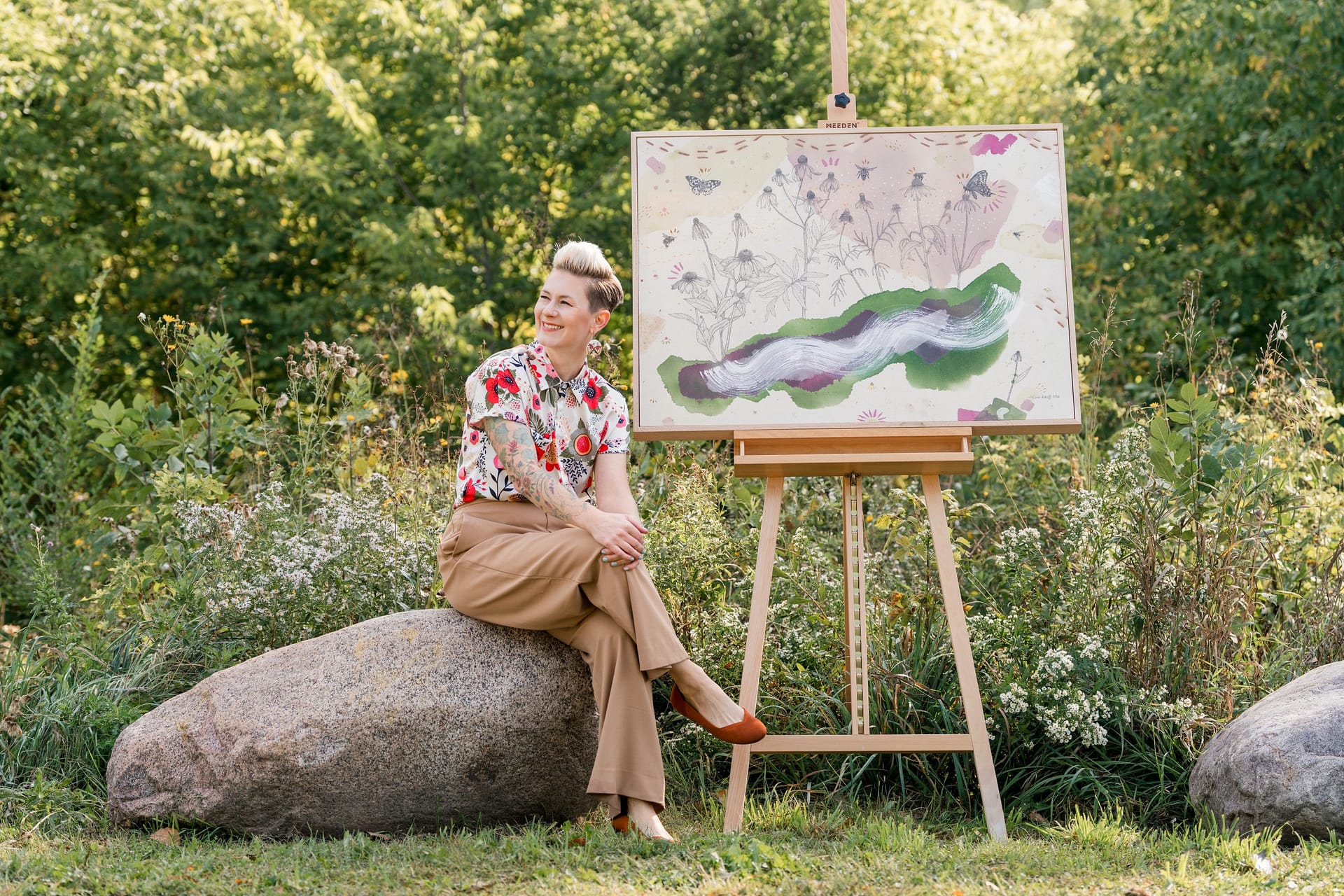
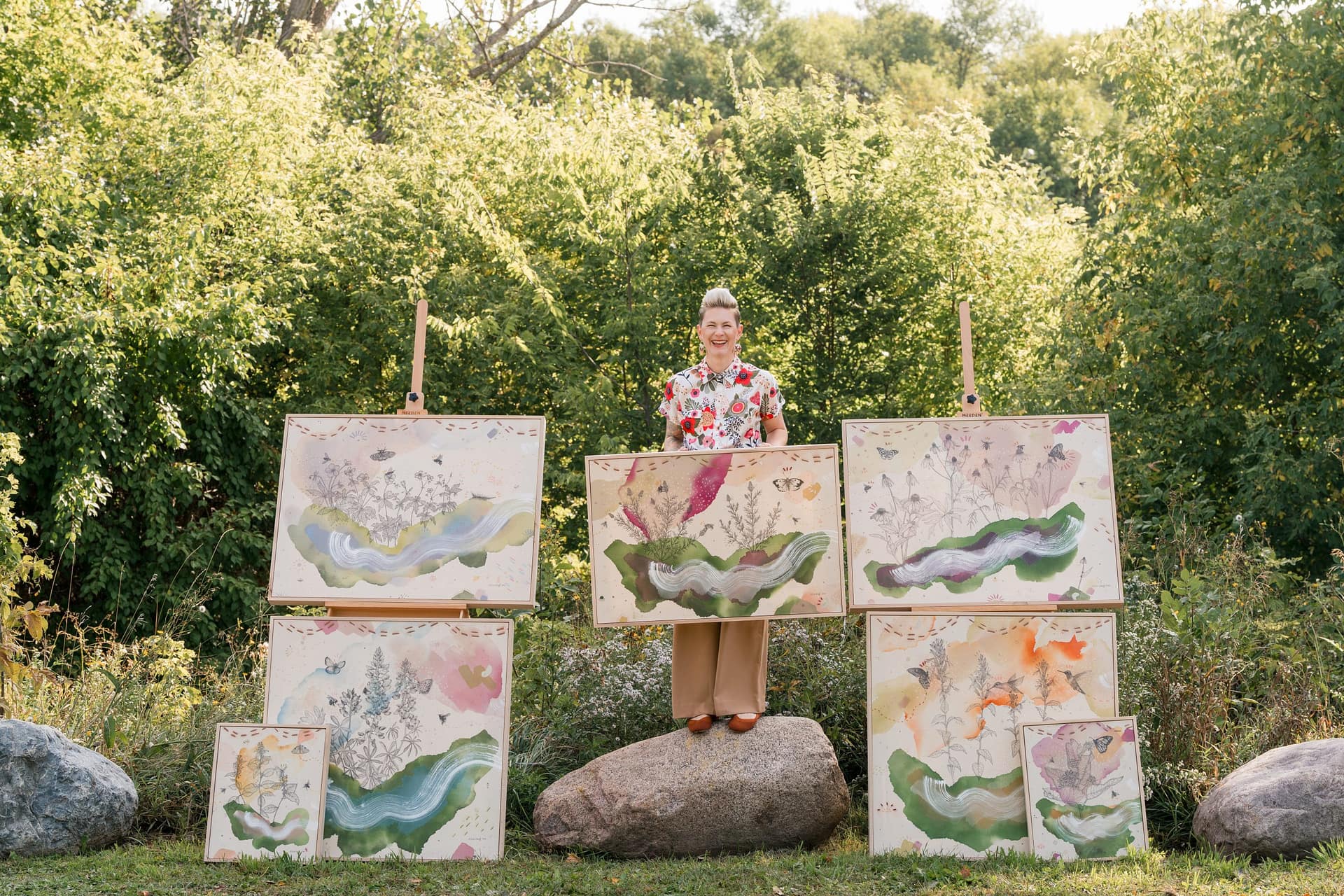
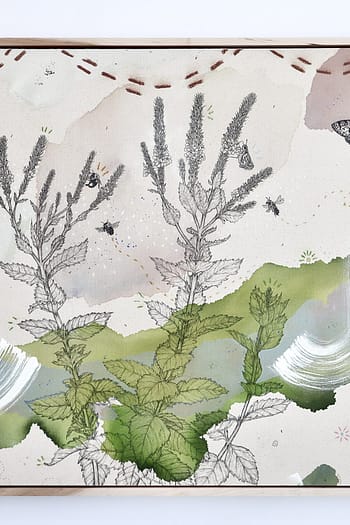
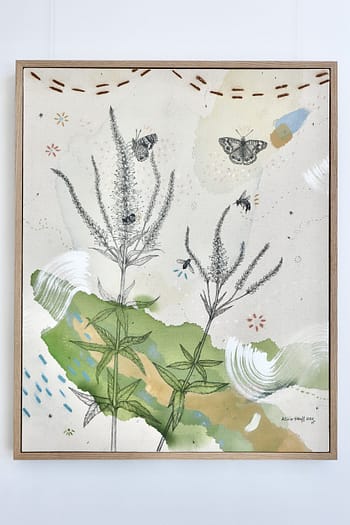
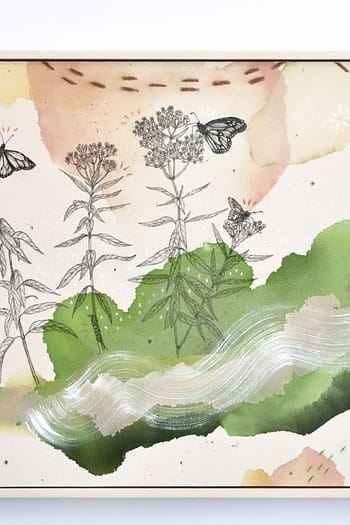
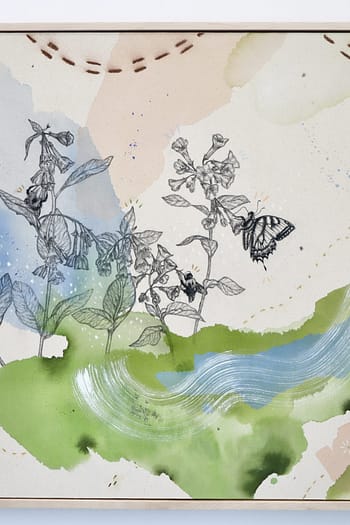
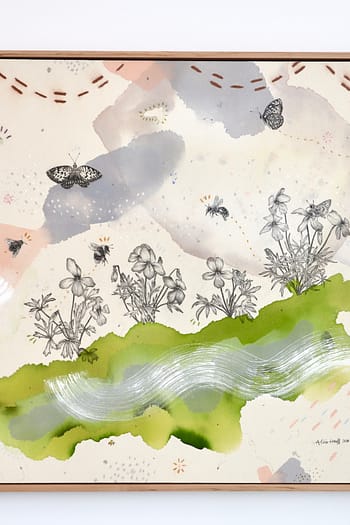
This series was not only the first in the new studio space, but the first to bloom with a very tangible offering and action: a pollinator garden. As the boys have grown a little older, I have had more time to plan, grow from seed, and plant several pollinator plants over the past few years. As we were planning the studio build itself, I knew then I wanted to build a vertical pollinator garden on the back studio patio.
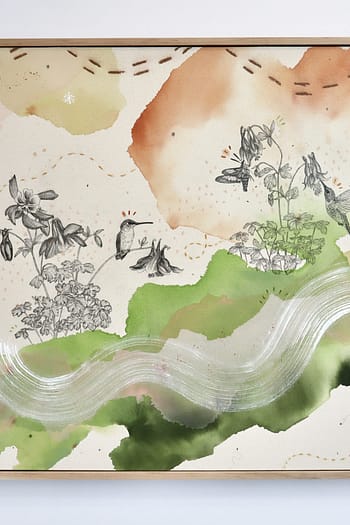
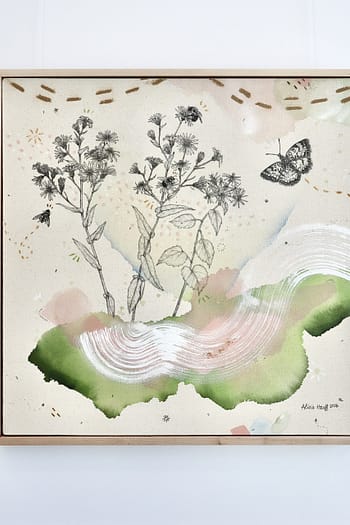
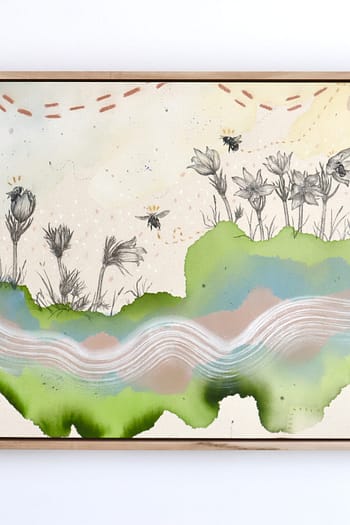
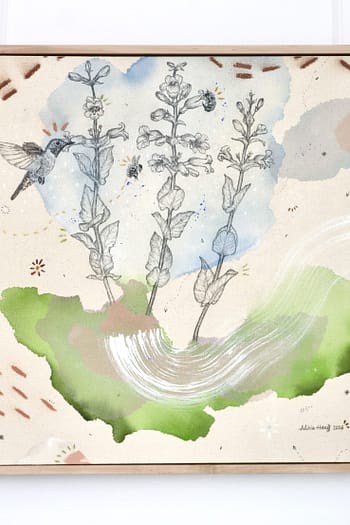
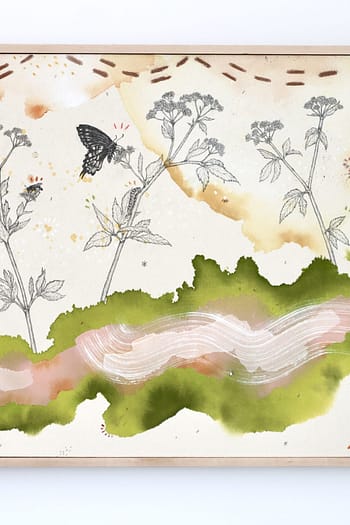
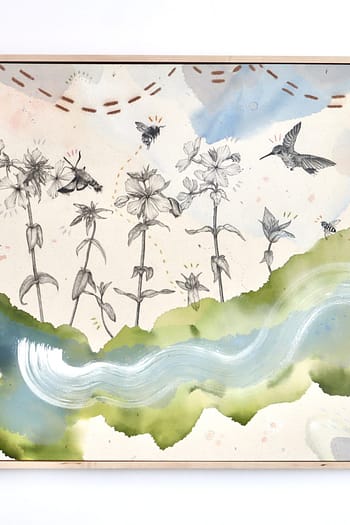
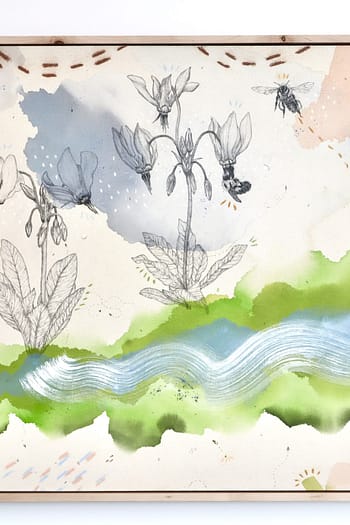
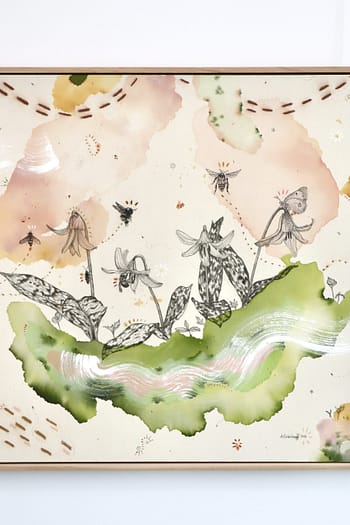
Serendipitously, I found the Pollinator Steward Certification program being offered in February by the Pollinator Partnership. I am still finishing the final modules and reading some of the additional books I thrifted. With the sheer amount of information and time I need to spend on this series, I decided to focus on pollinators this whole year. Part 1 focuses on spring native plants and their pollinators, and this Part 2 features summer-blooming native plants and their pollinators. These are another 7 for this series. It's been a very busy time with exhibitions and the annual Studio Crawl coming up soon!
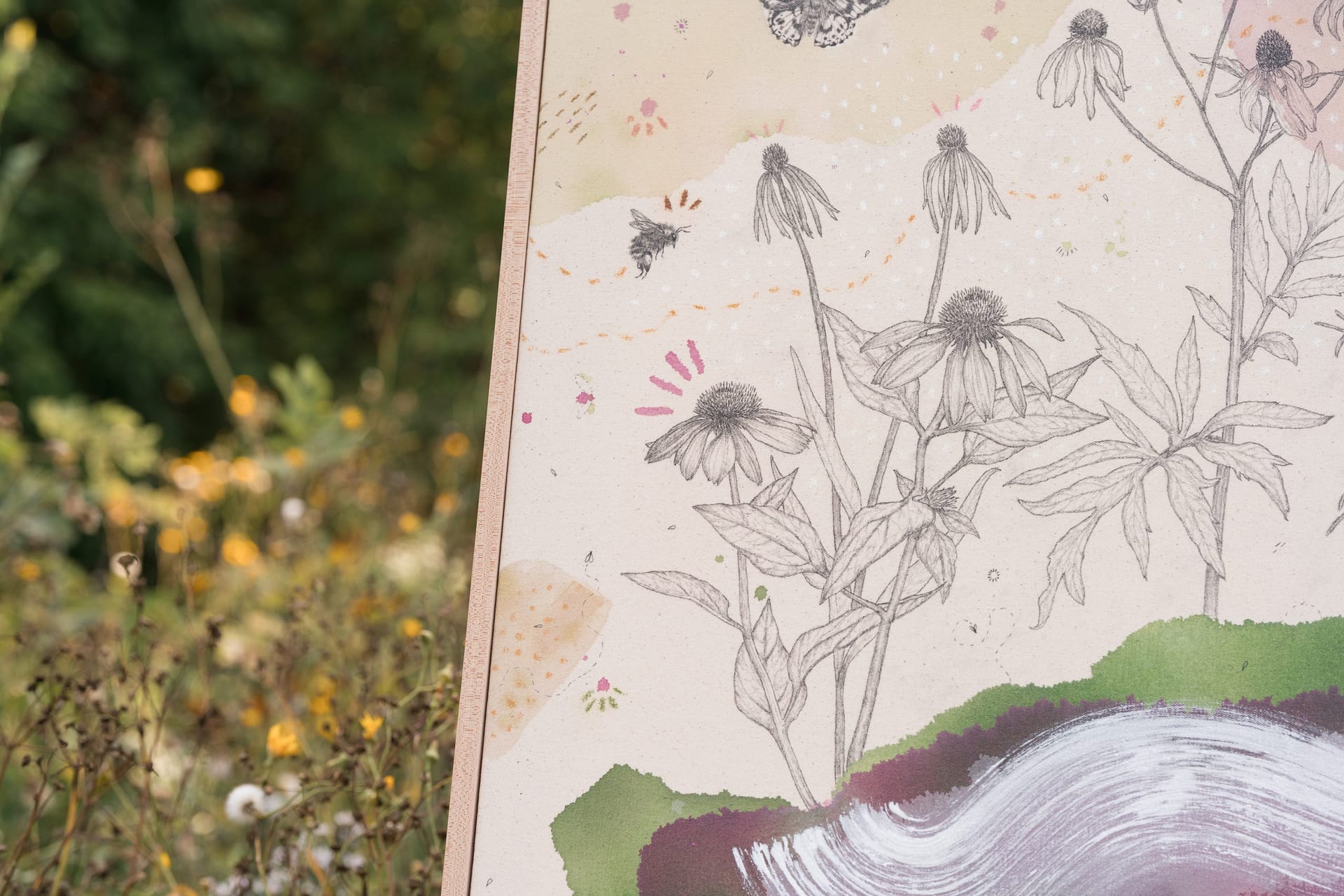
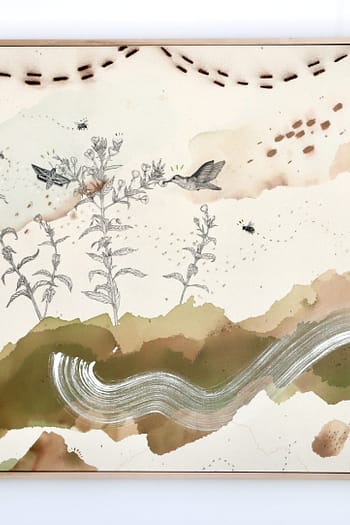
Once again, each piece's description features information from Prairie Moon Nursery (based in MN) and Prairie Nursery (based in WI) and pollination notes. I researched flowers with the question, "Who pollinates ___ plant?" The colors are vibrant, like the florals and pollinators themselves.
The videography and photography are always additionally phenomenal works of art for each series. This year was the first year I spoke on camera, as part of the certification is 1) educate and 2) build habitat. I worked with Nick Deraney of True North Media once again to capture this for the spring series.
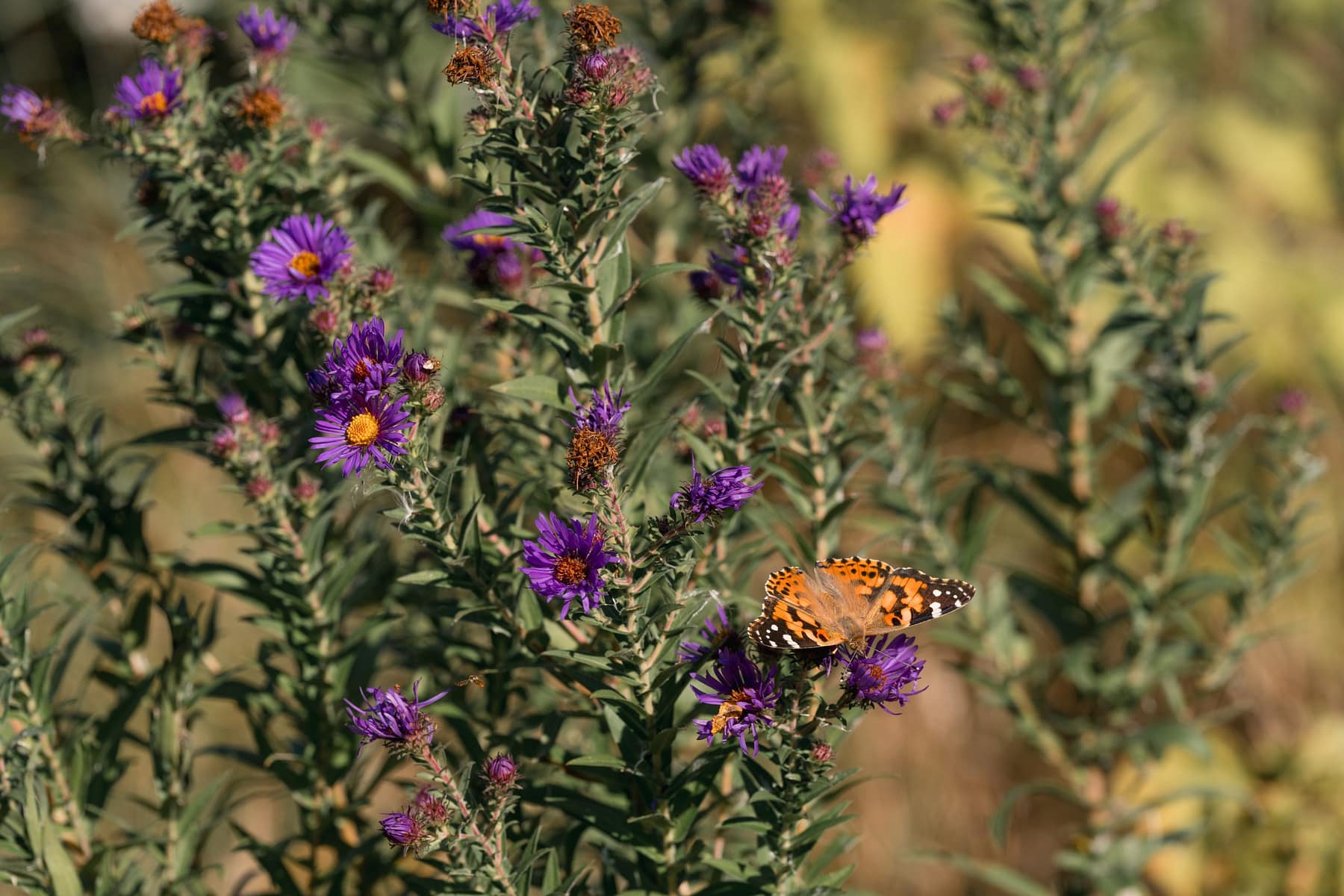
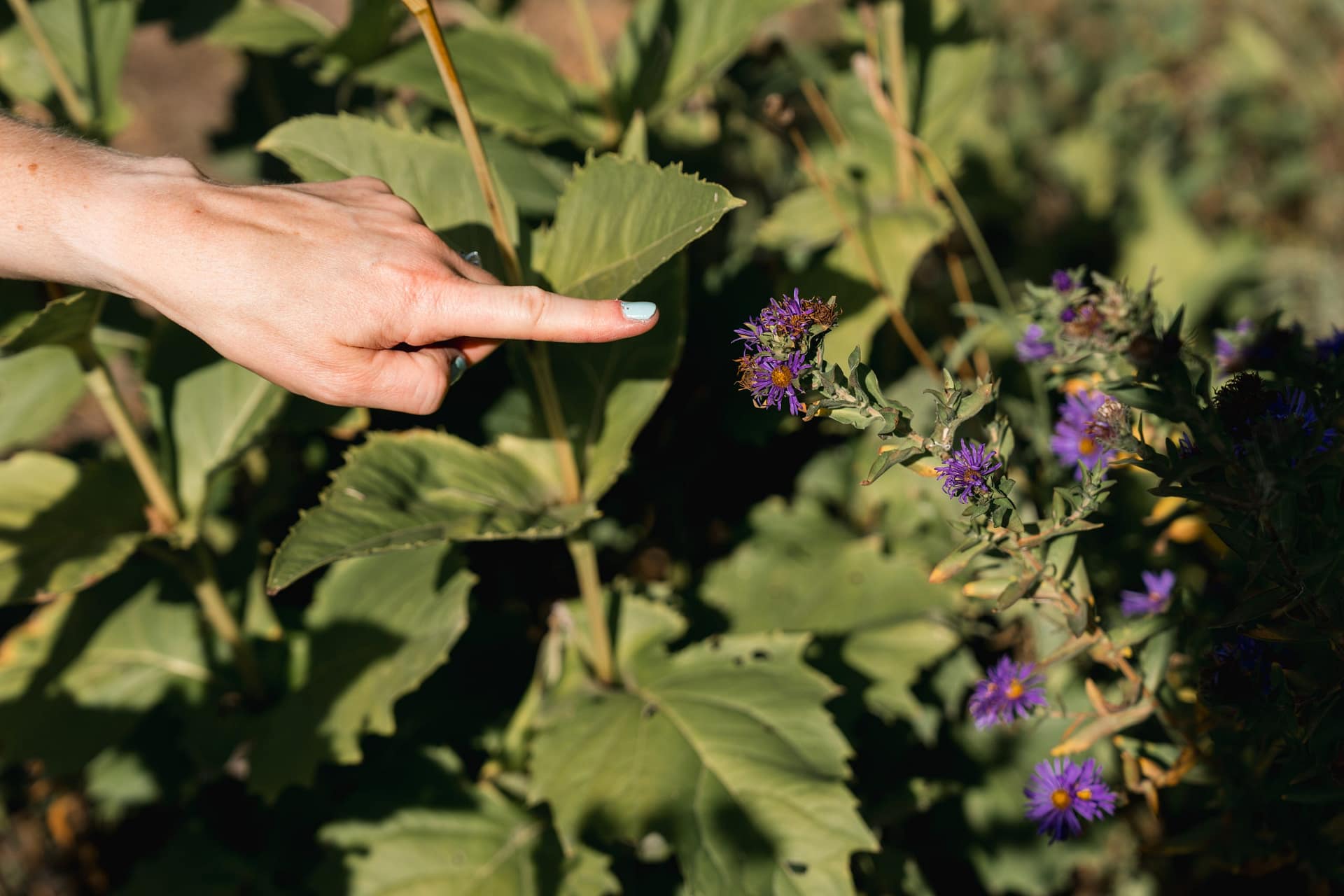
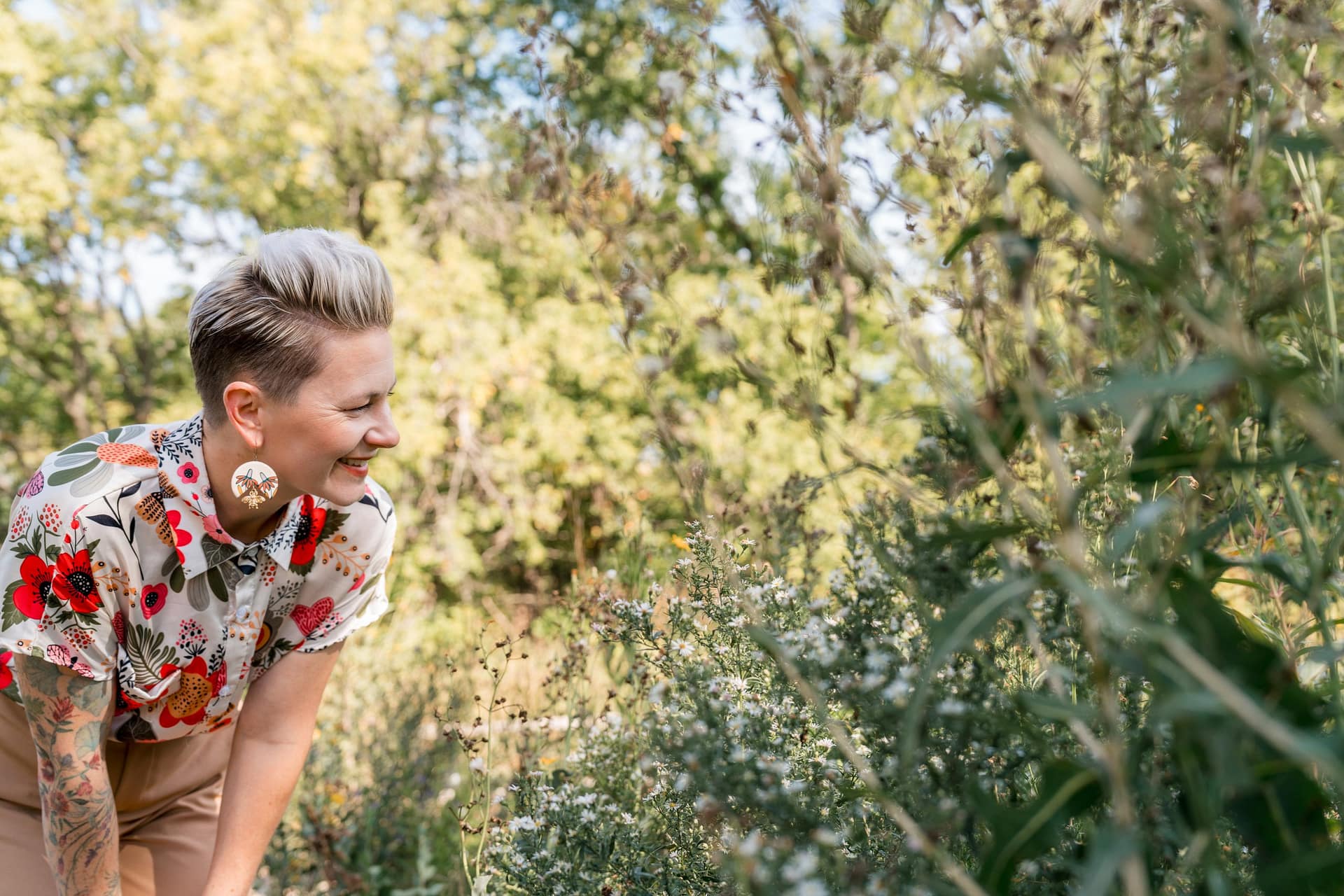
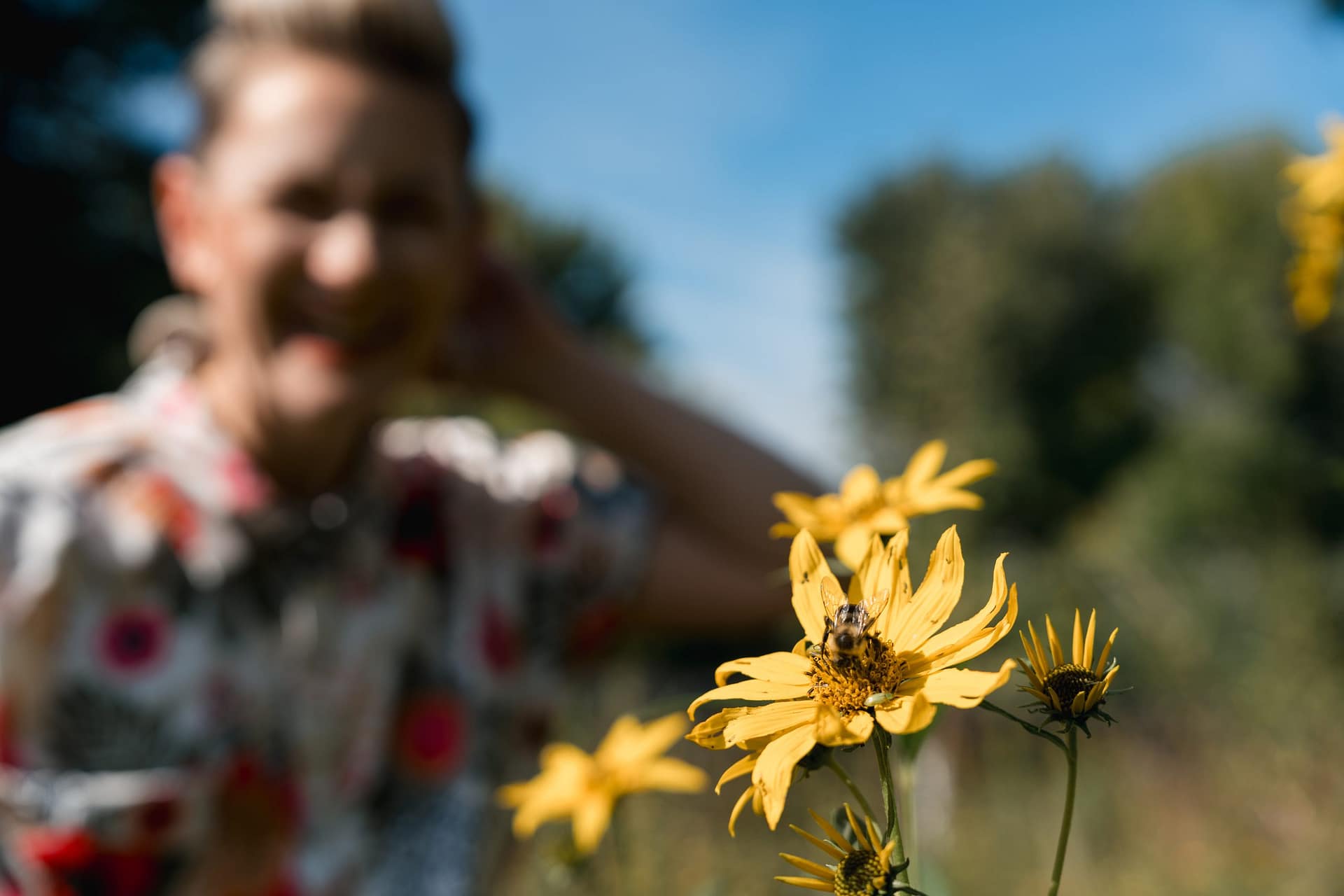
Britta Trygstad of BTP (Britta the Photographer) and I took a stroll through a local pollinator garden at Orchard Glen, a local park. I bring the art, and she brings the eye for making it all work. And then I pull her around to see the bees, butterflies, and all of the Asters in bloom. It was a gorgeous day to photograph gorgeous, colorful work. I'm forever thankful for her and our partnership.
“Paying attention is a form of reciprocity with the living world, receiving the gifts with open eyes and open heart.”
― Braiding Sweetgrass: Indigenous Wisdom, Scientific Knowledge, and the Teachings of Plants
With much love for our neighbors and this beautiful Wild Earth Mother, Alicia


"Know the ways of the ones who take care of you, so that you may take care of them."
-Robin Wall Kimmerer
- All
- Uncategorized
- Art
- Art media
- Gift Card
- Home/Office
- Original painting
- Studio Sale






























Thank you for being here!
Video and Photography Credit