
Alicia Hauff Studio
Mixed Media Fine Artist in Fargo, ND

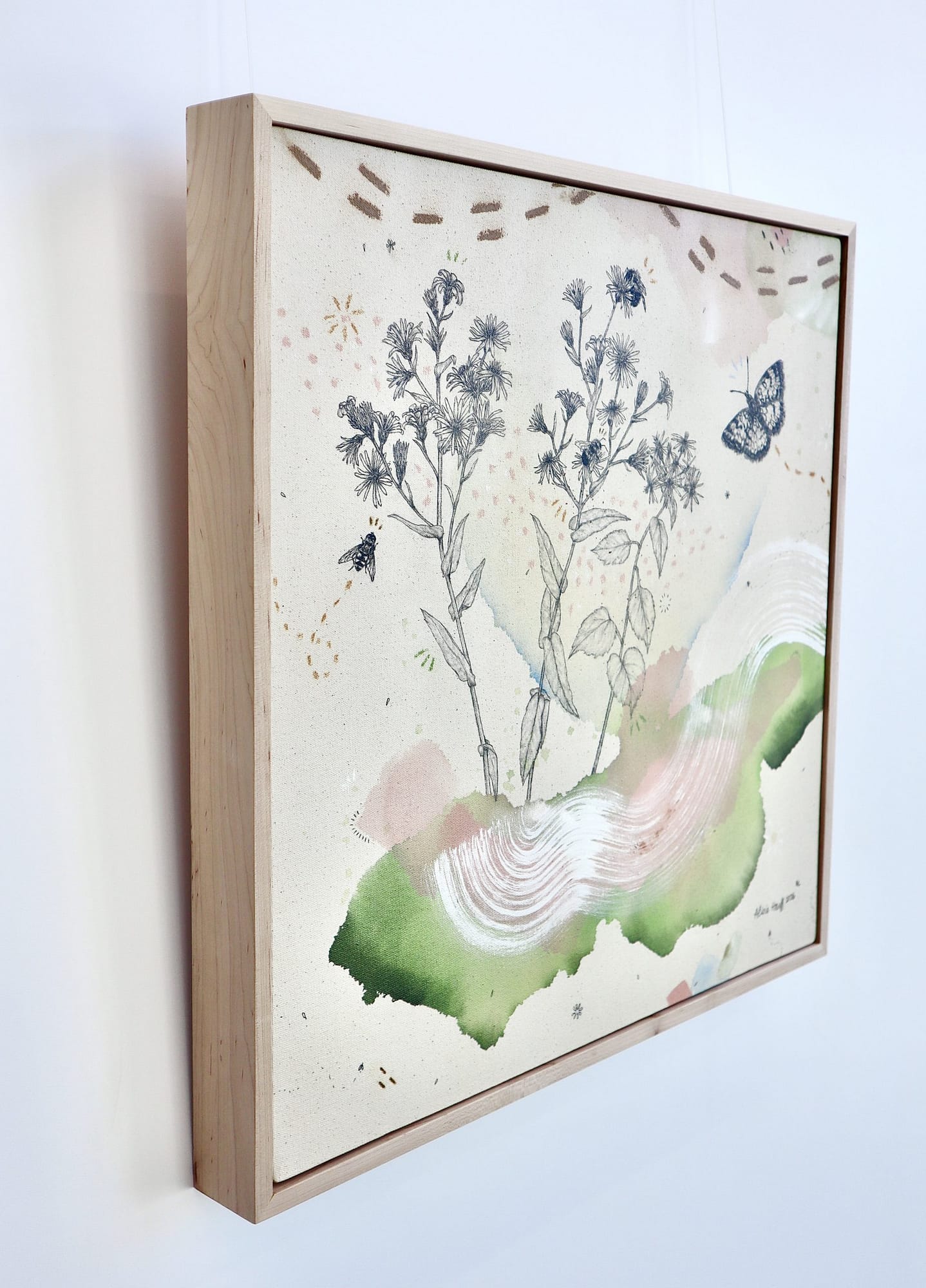
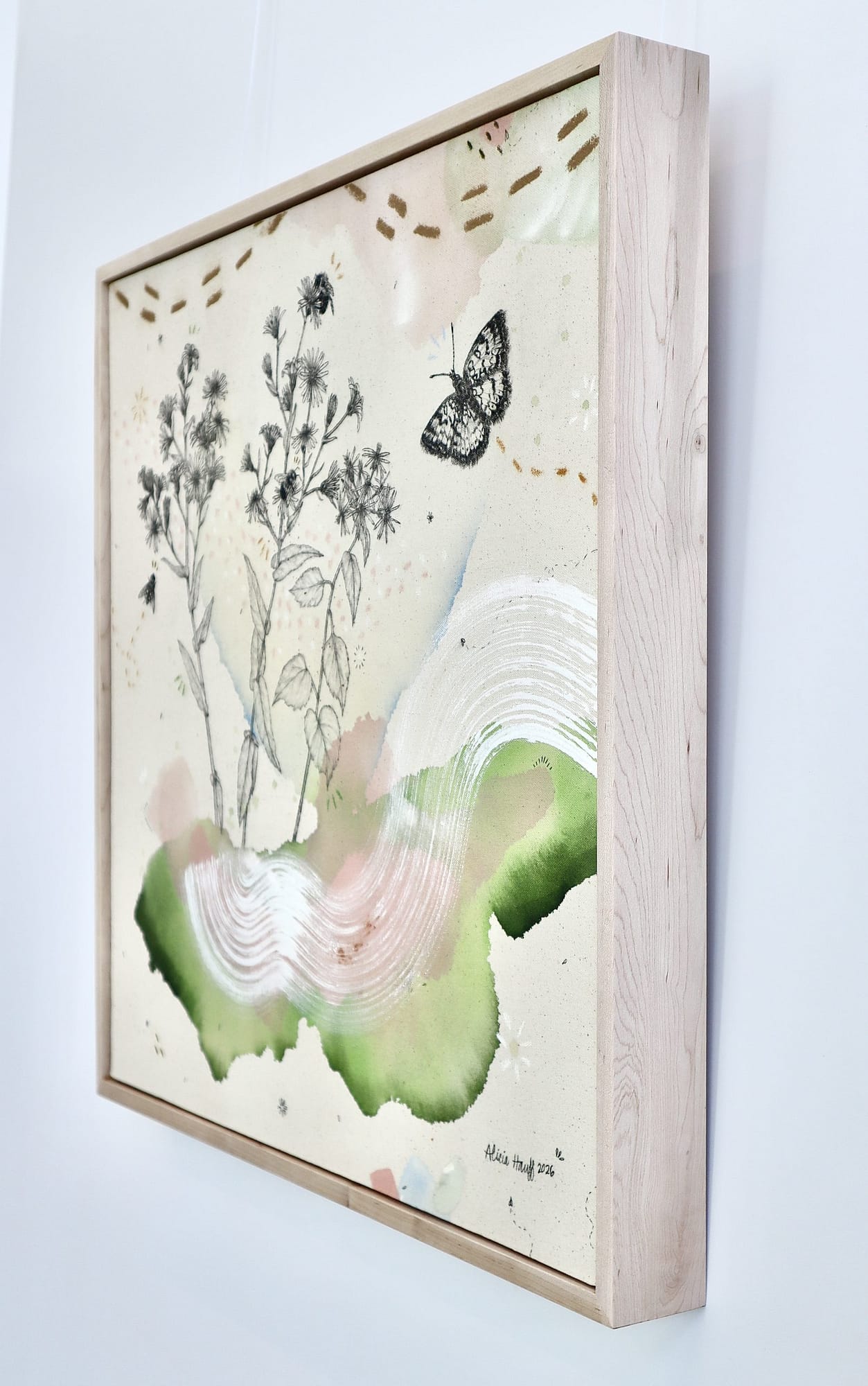
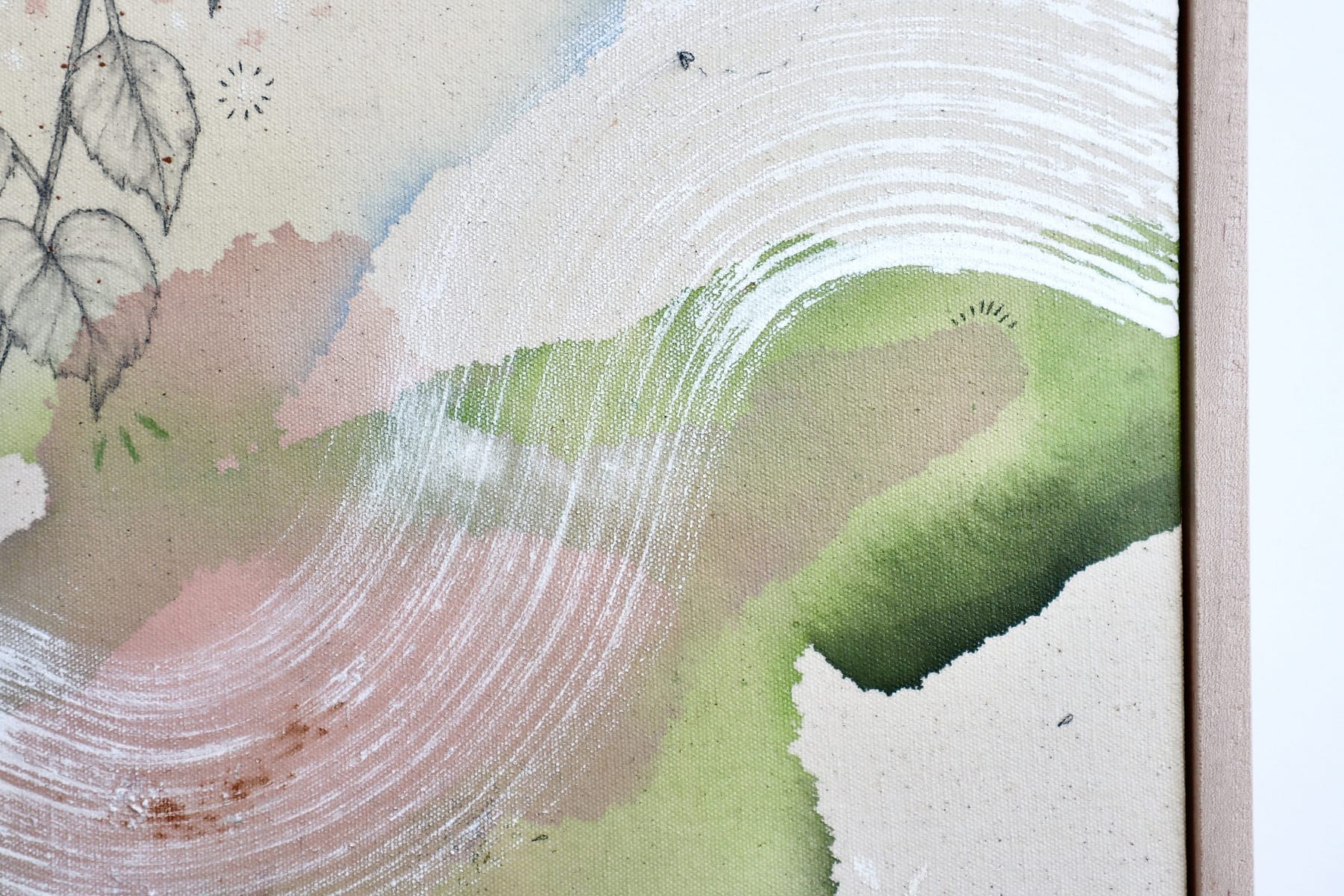
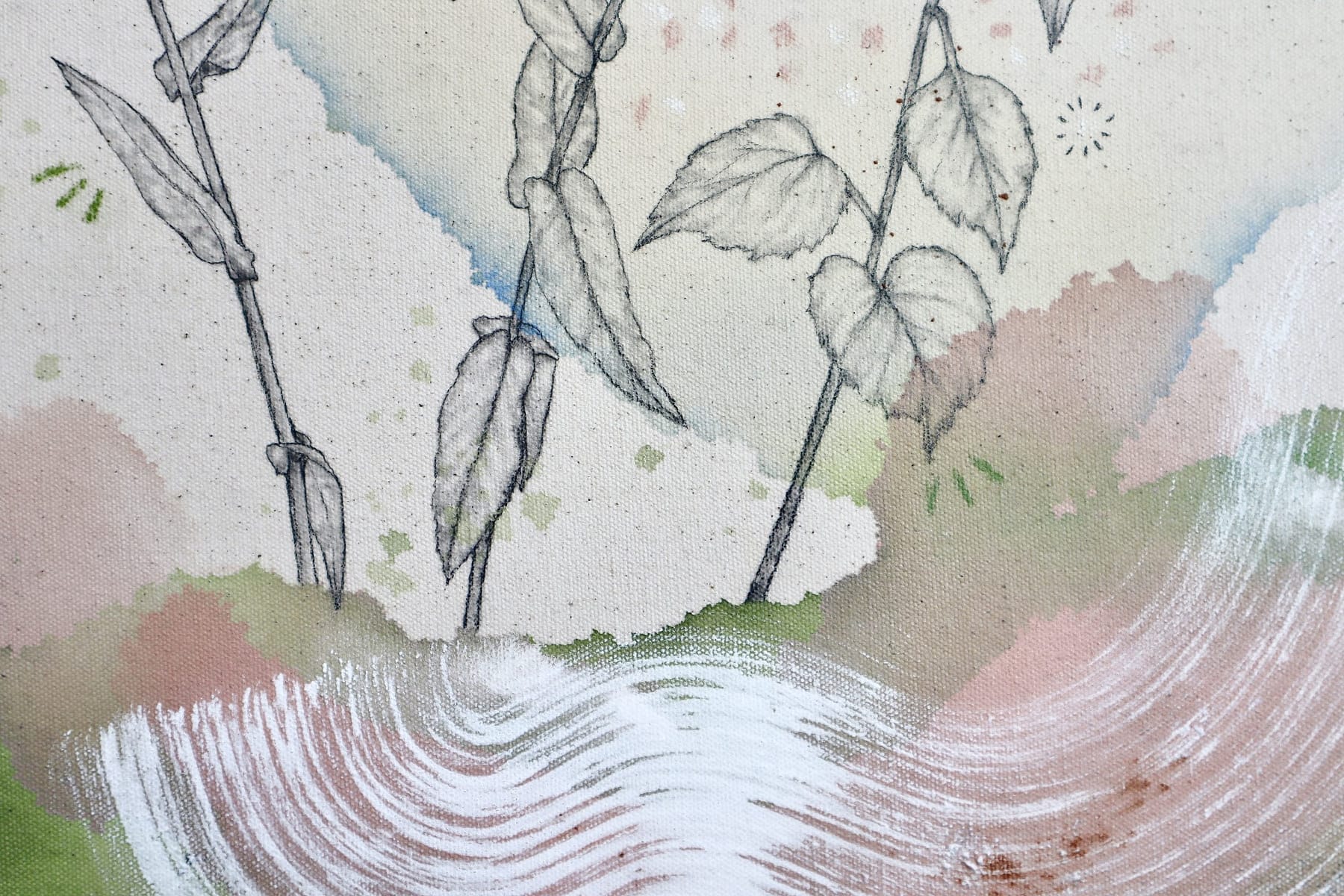
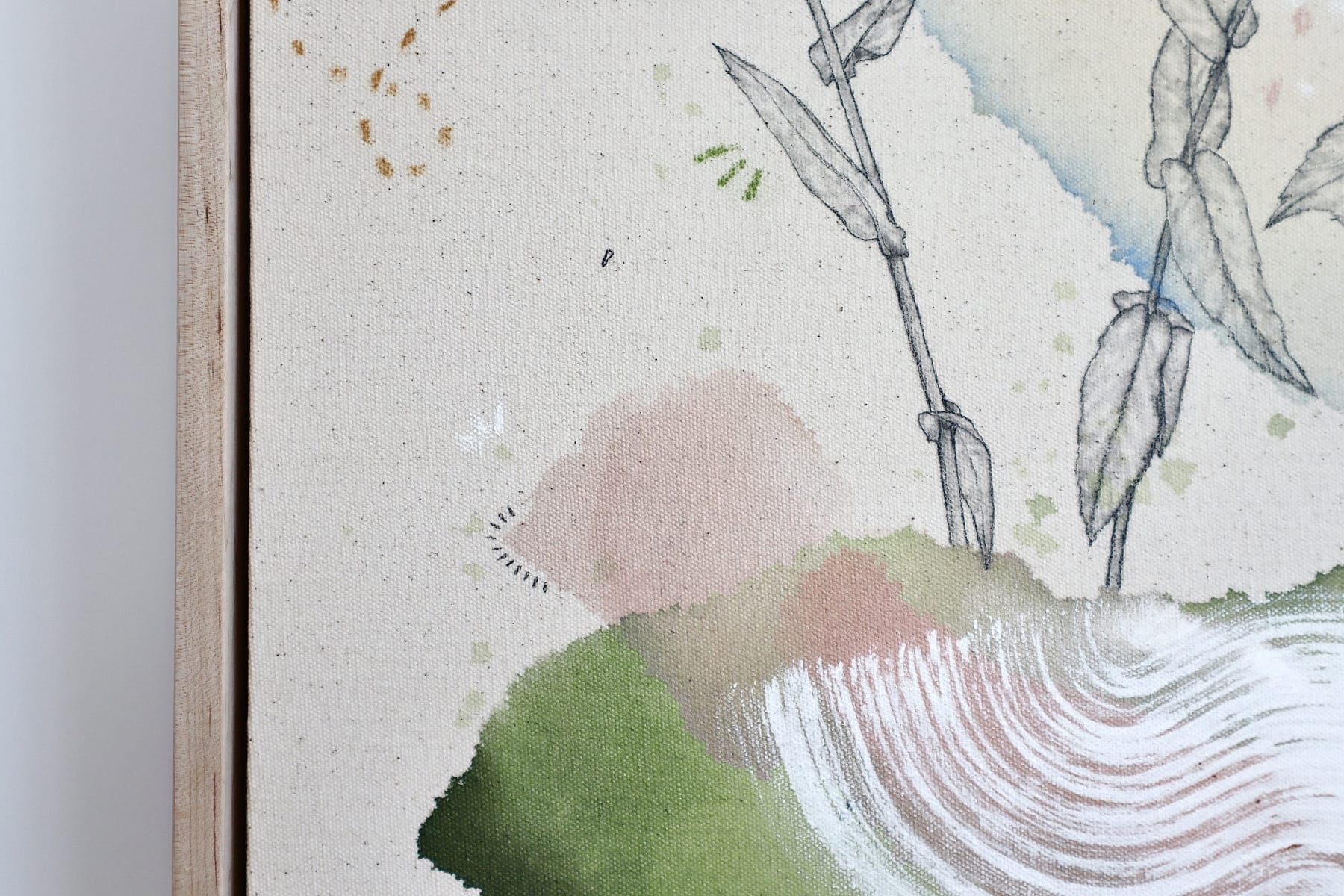
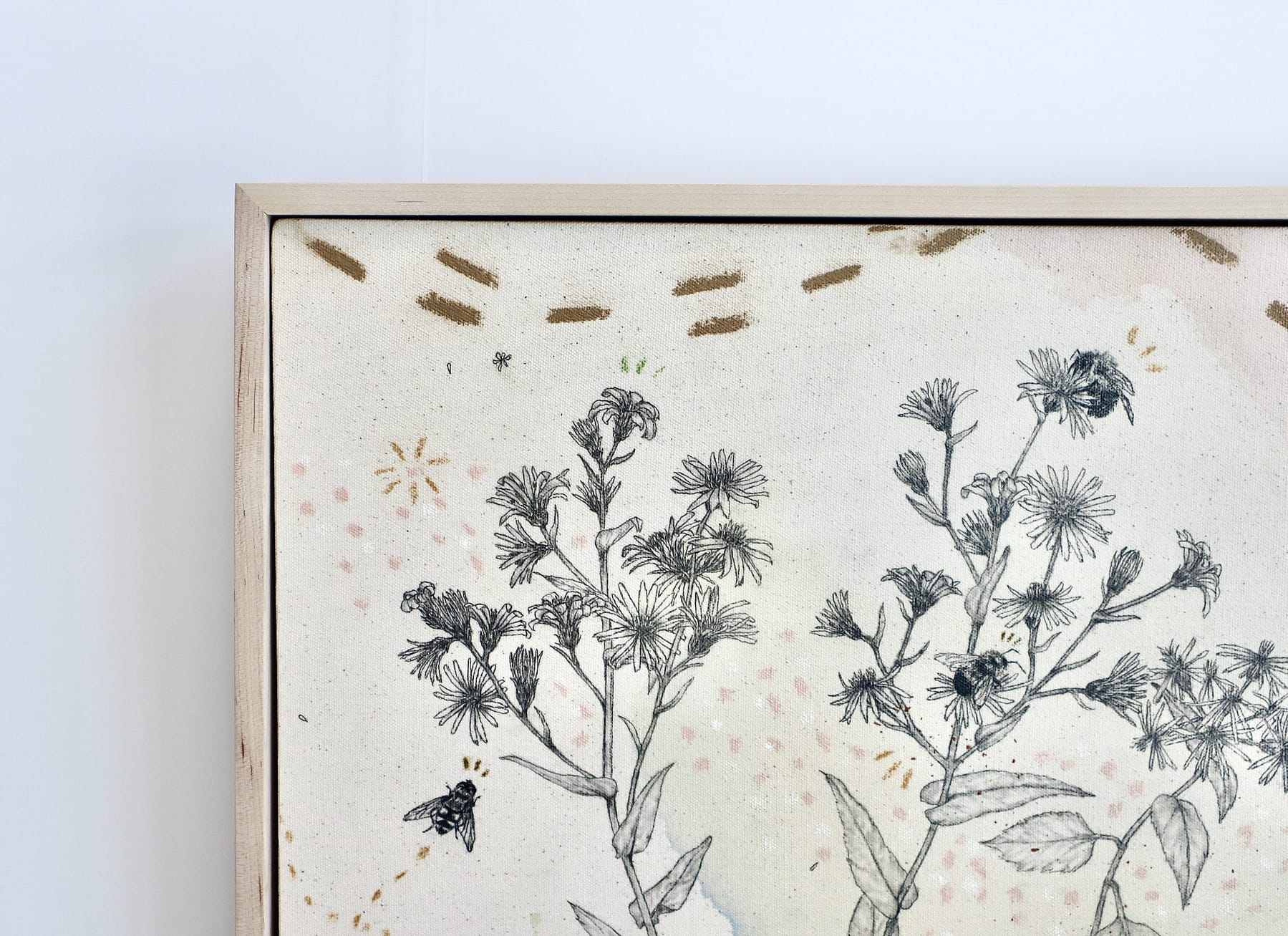

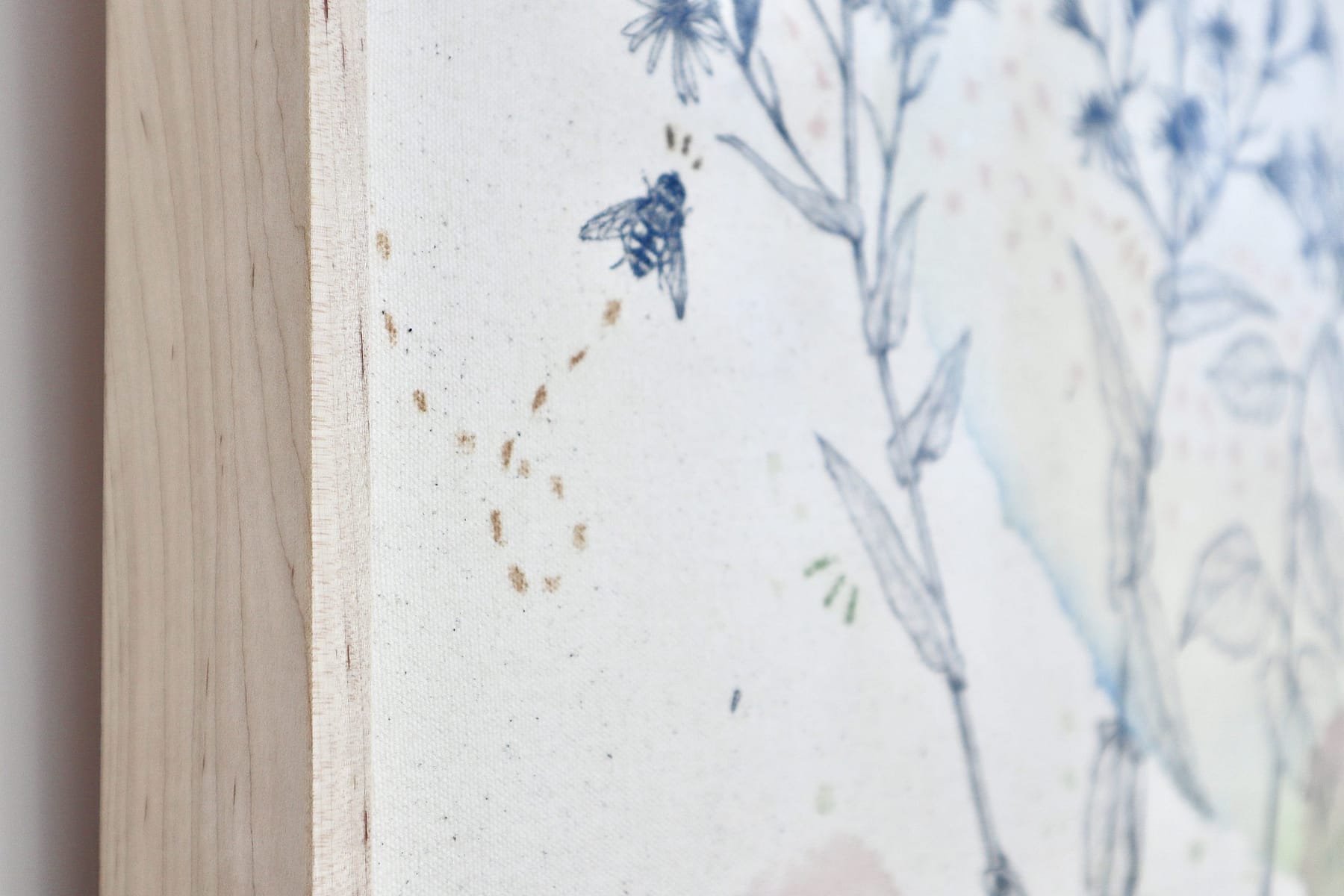

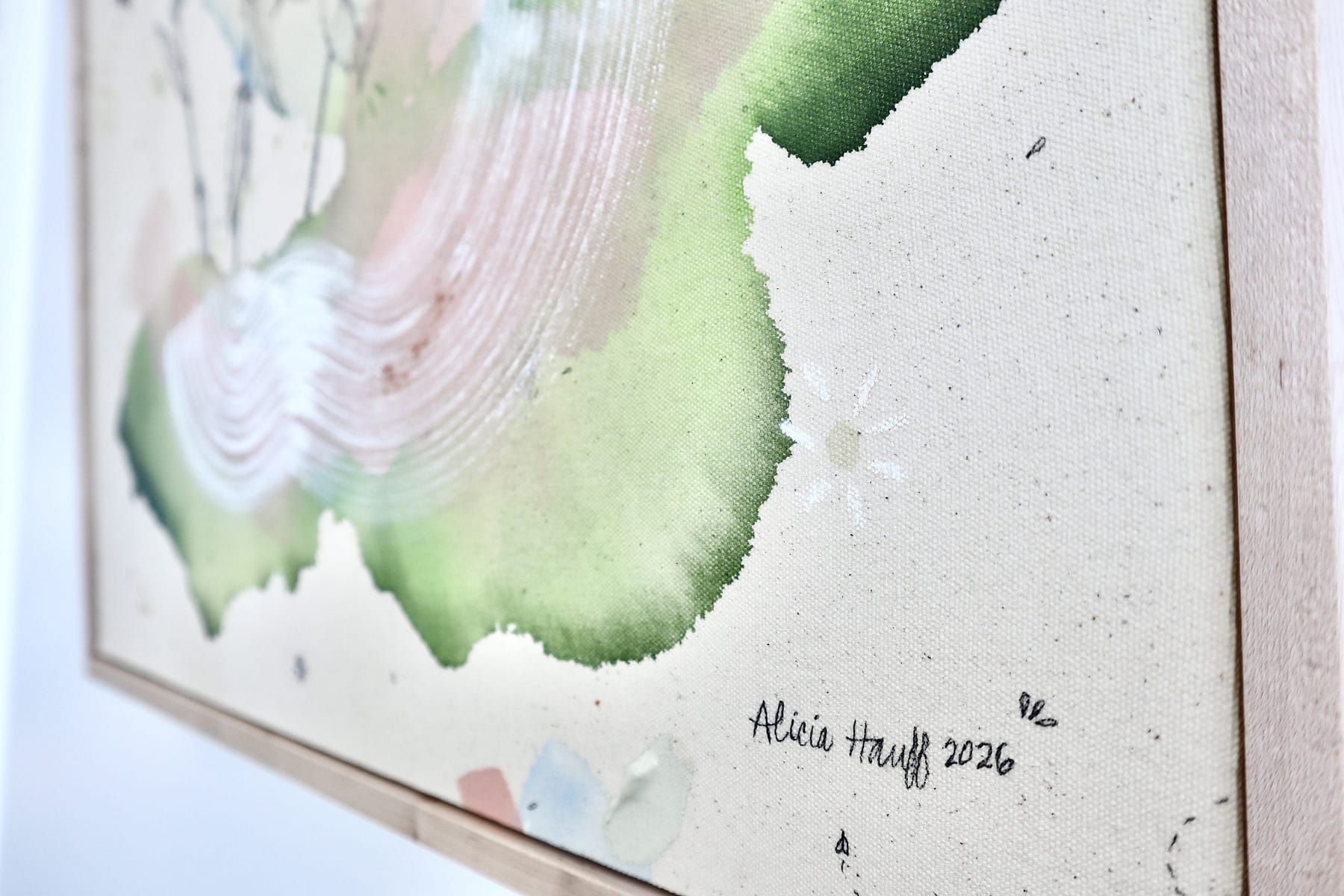
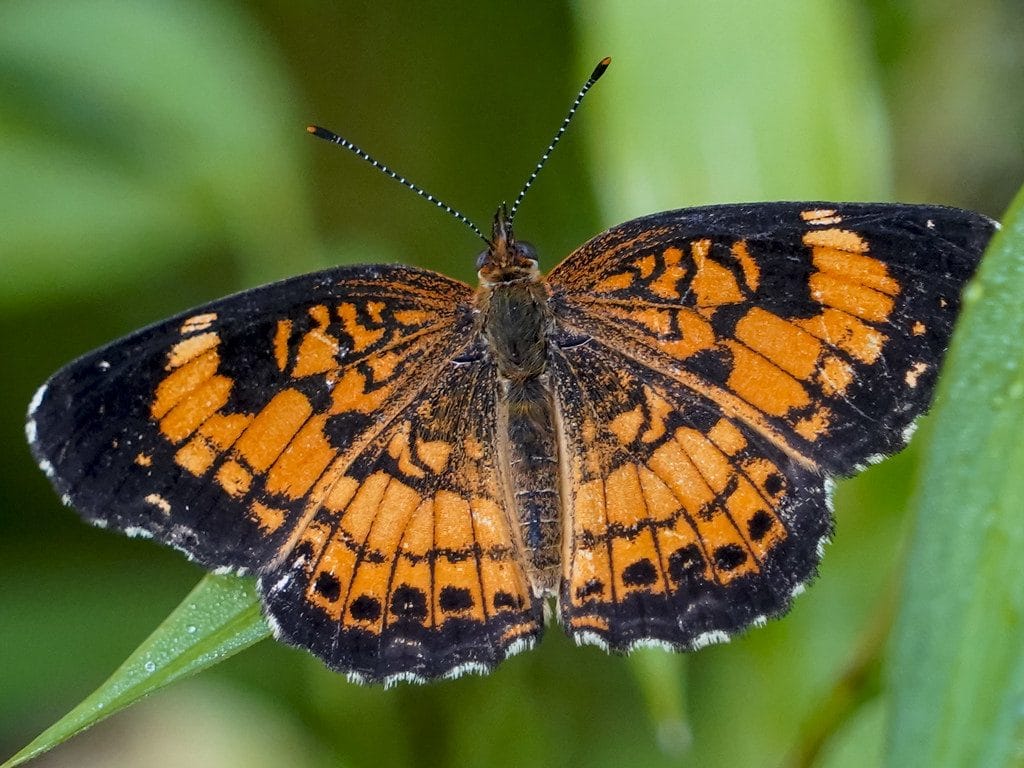
“Asters, Autumnal Stars in Bloom for Pollinators”
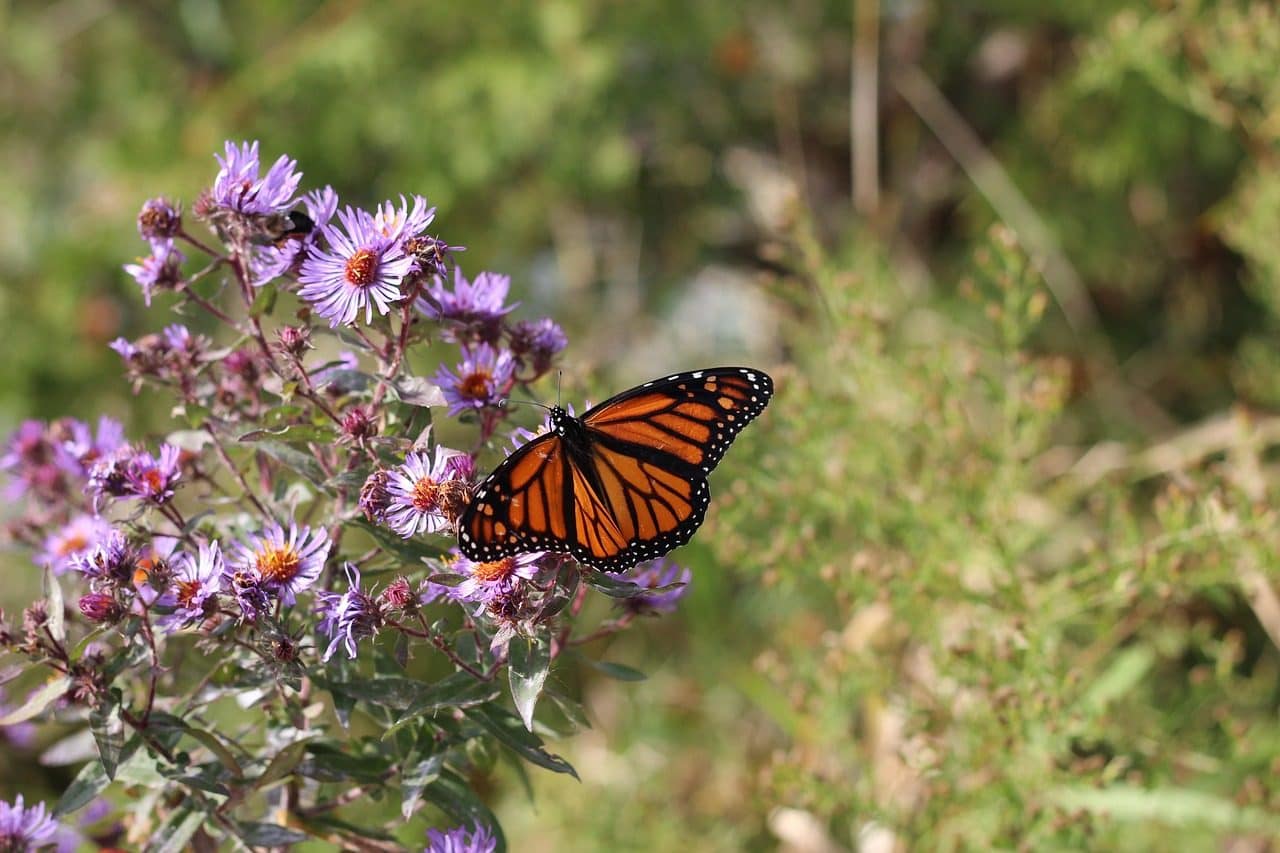
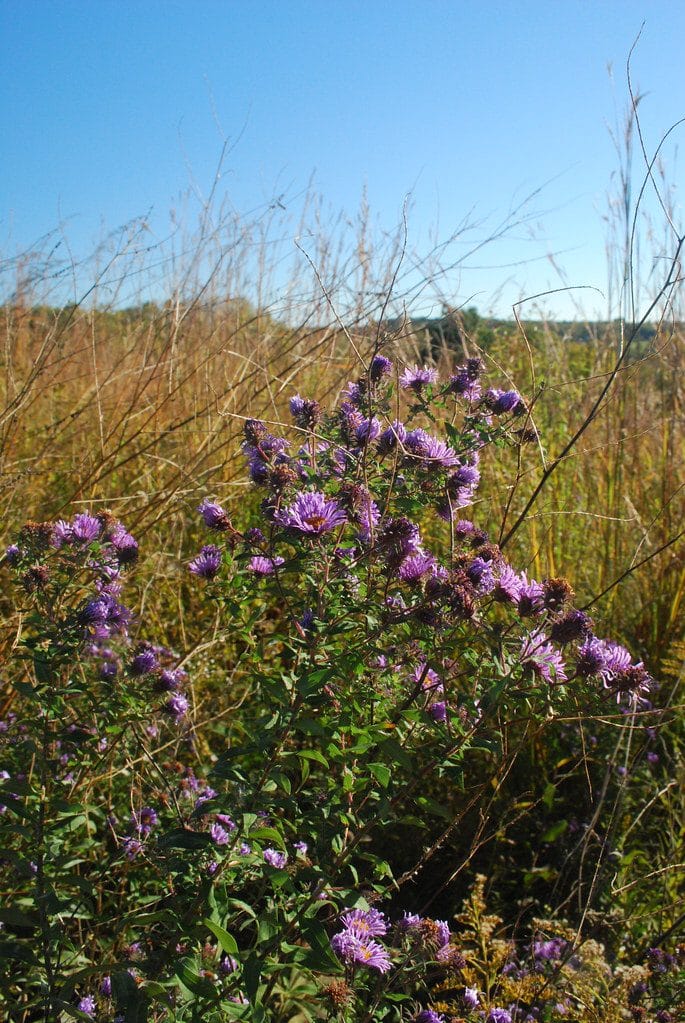
“New England Aster is a late bloomer like most Asters. Maturing to 5′ tall, it is rich with purple flowers with orange-yellow centers from late summer to October. Popular with pollinators, it thrives in full sun or light shade in all but the driest soils. Before New England Aster blooms, it is easy to identify the plant because of the hairy stem and leaves that clasp the stem in a distinctive manner, nearly encircling it.
Features a Pearl Crescent butterfly (right), native bumblebees, and a Overfly (flower fly; left)
Pollination Facts:
*Key Pollinators: Asters attract long-tongued bees, short-tongued bees, honeybees, bumblebees, bee flies, skippers, and butterflies.
*Specialist Support: They are essential for 33 species of pollen-specialist bees.
*Larval Host: Aster leaves are food for caterpillars of several species, including the silvery checkerspot and pearl crescent butterflies.
*Unique Signal: The yellow centers of aster flowers turn a reddish-brown color after they have been pollinated, signaling to bees to visit other flowers.
*Bloom Time: Asters are among the last wildflowers to bloom, providing crucial resources for insects preparing for winter.
*Pollination Method: They utilize “plunger” or secondary pollination, where the elongating style pushes pollen up from the stamens to be collected.
*Plant Structure: Many asters (like New England Aster) are not self-fertile, meaning they require a pollinator to move pollen from a different plant to produce seeds
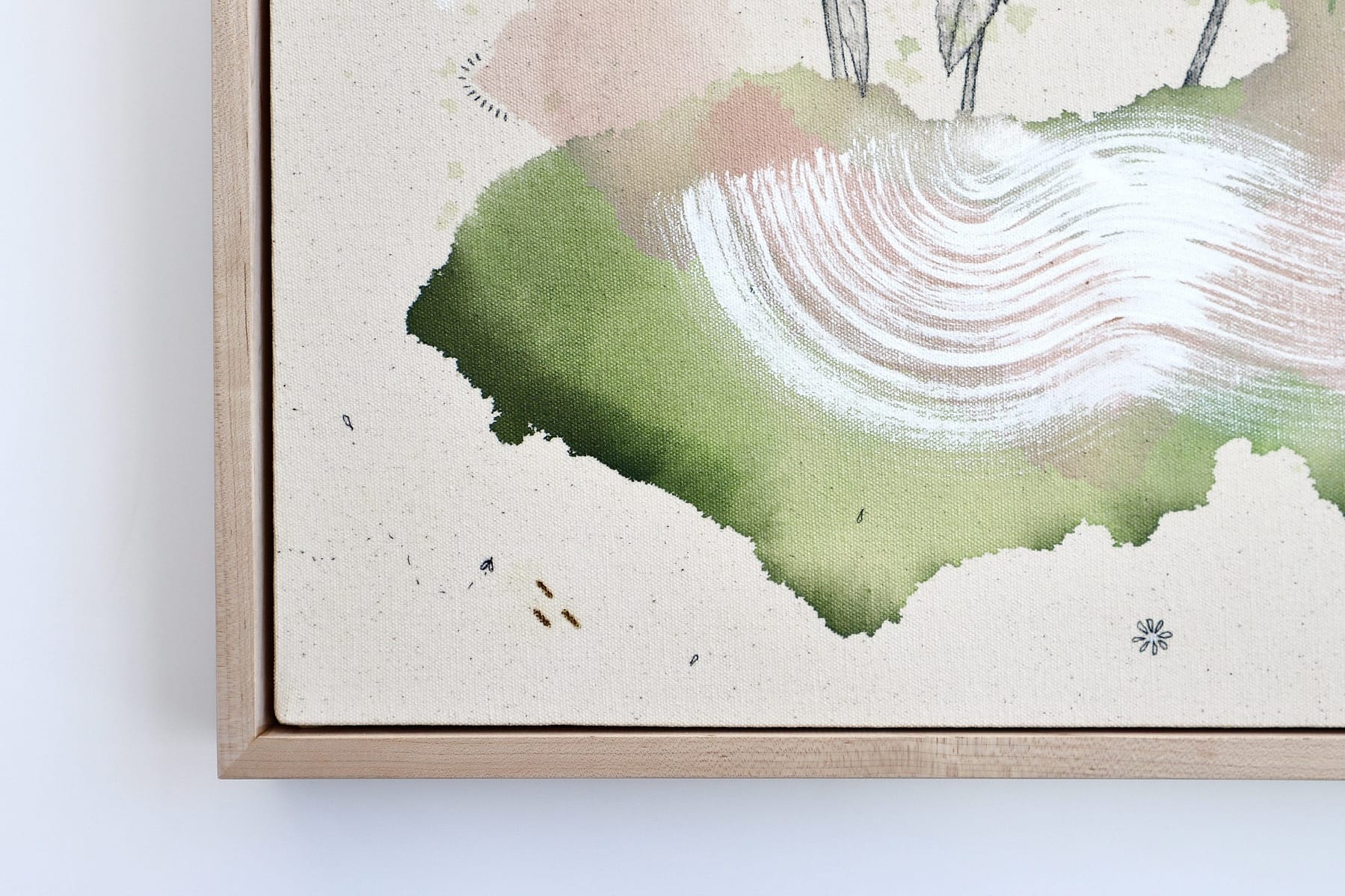
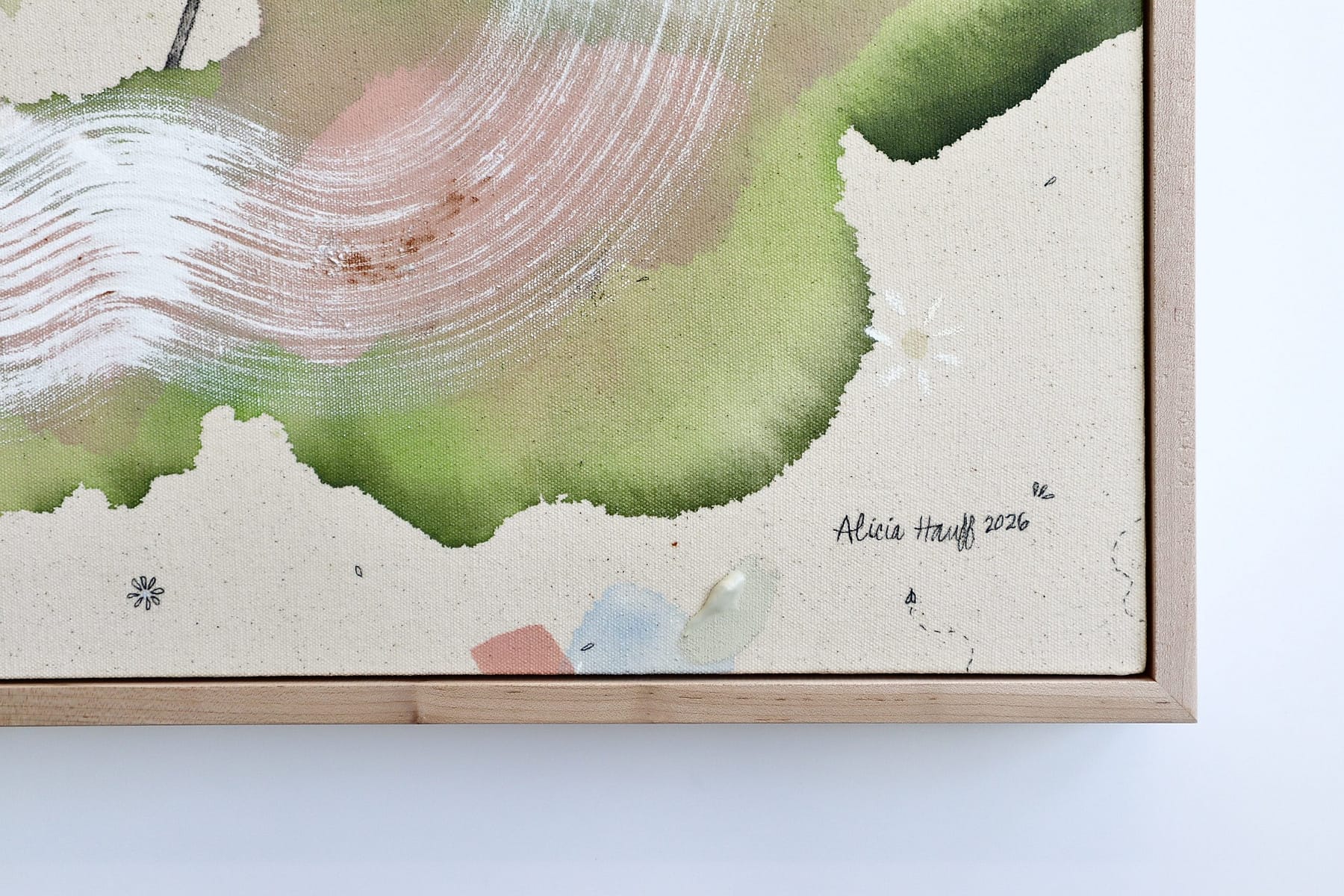
Frame Details: Hard maple float frame
Framed Size: 25x25x2(inches)
View Frame Options Gallery >
We offer hand made custom frames constructed from natural wood of your choice. Click on the photos below to open and preview the frame options.
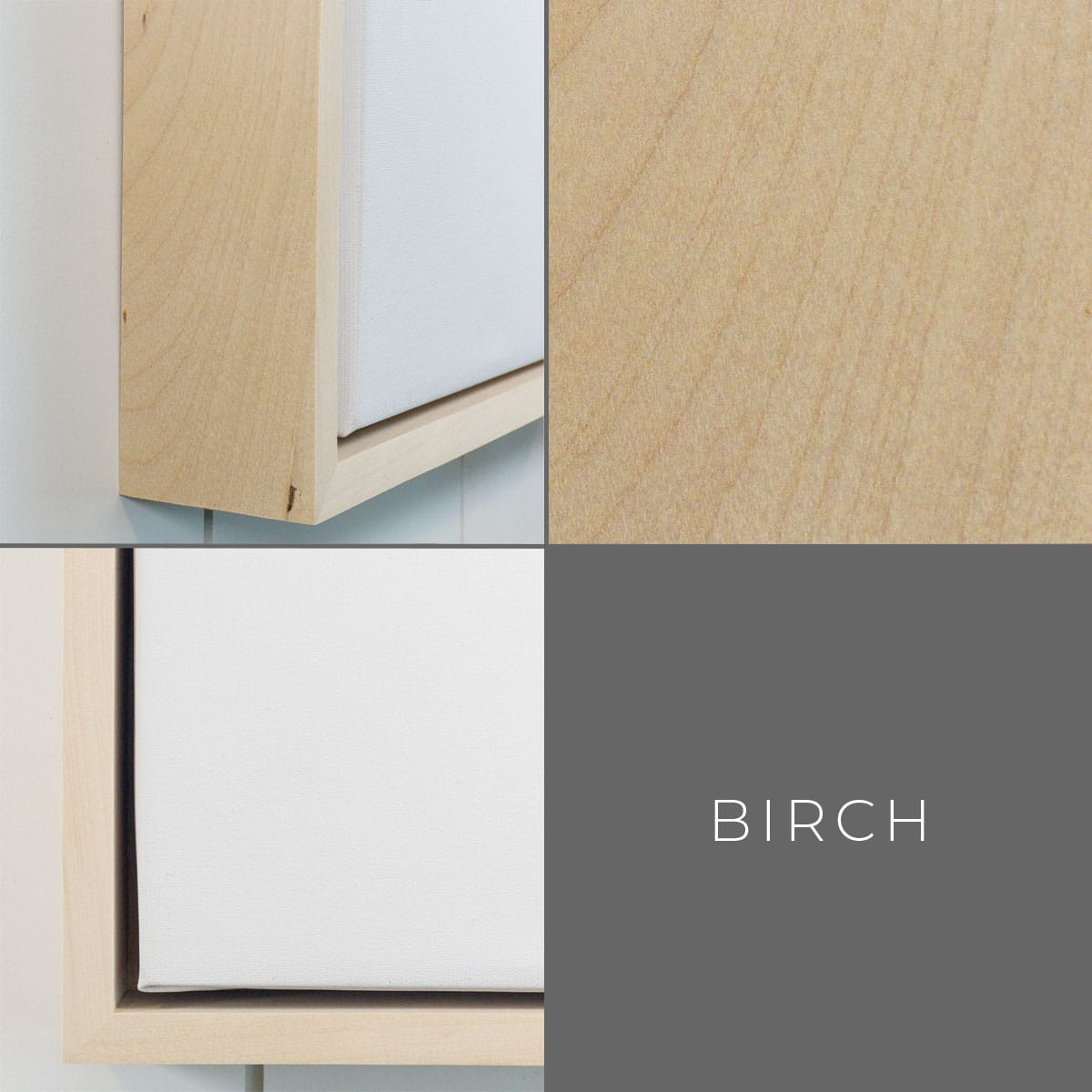
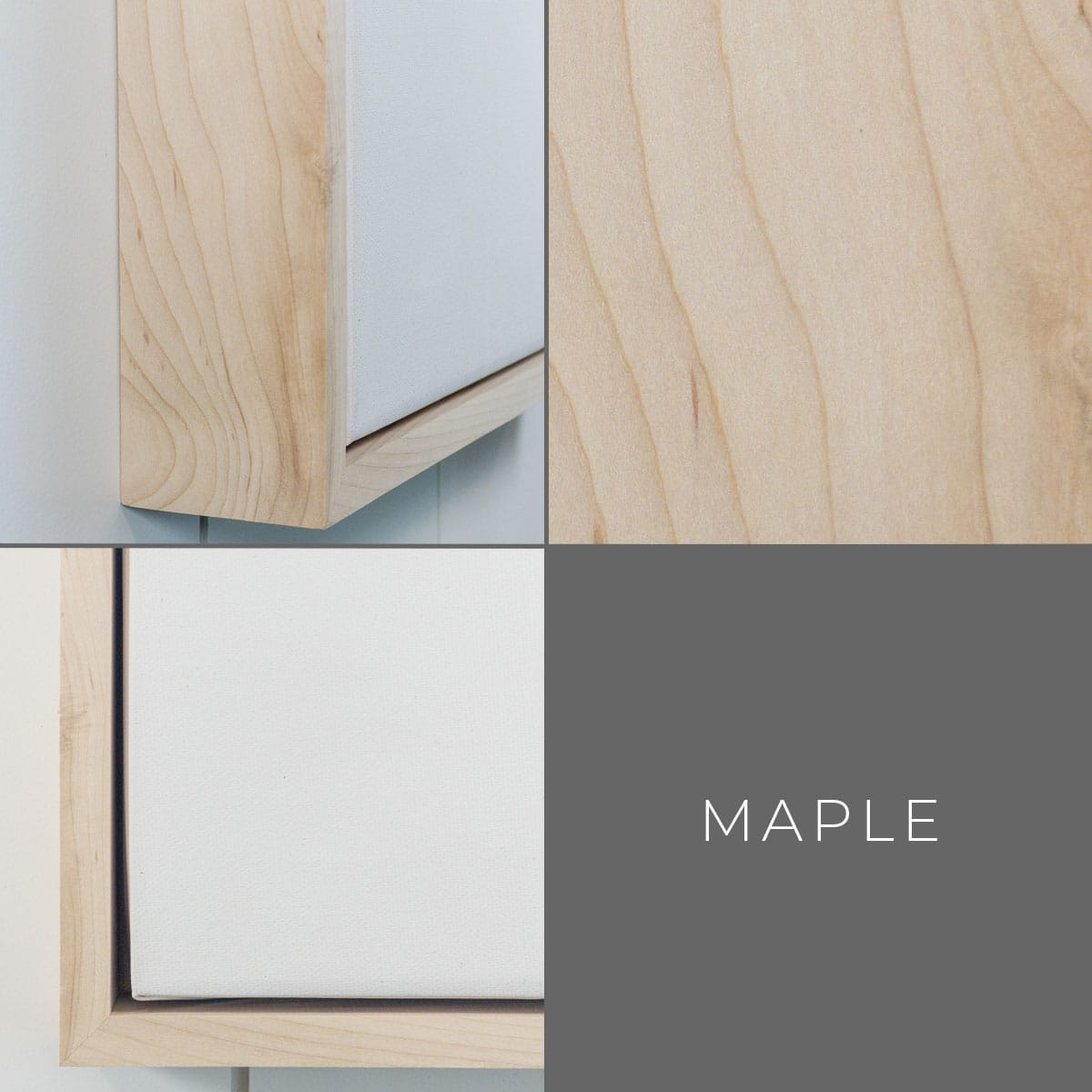
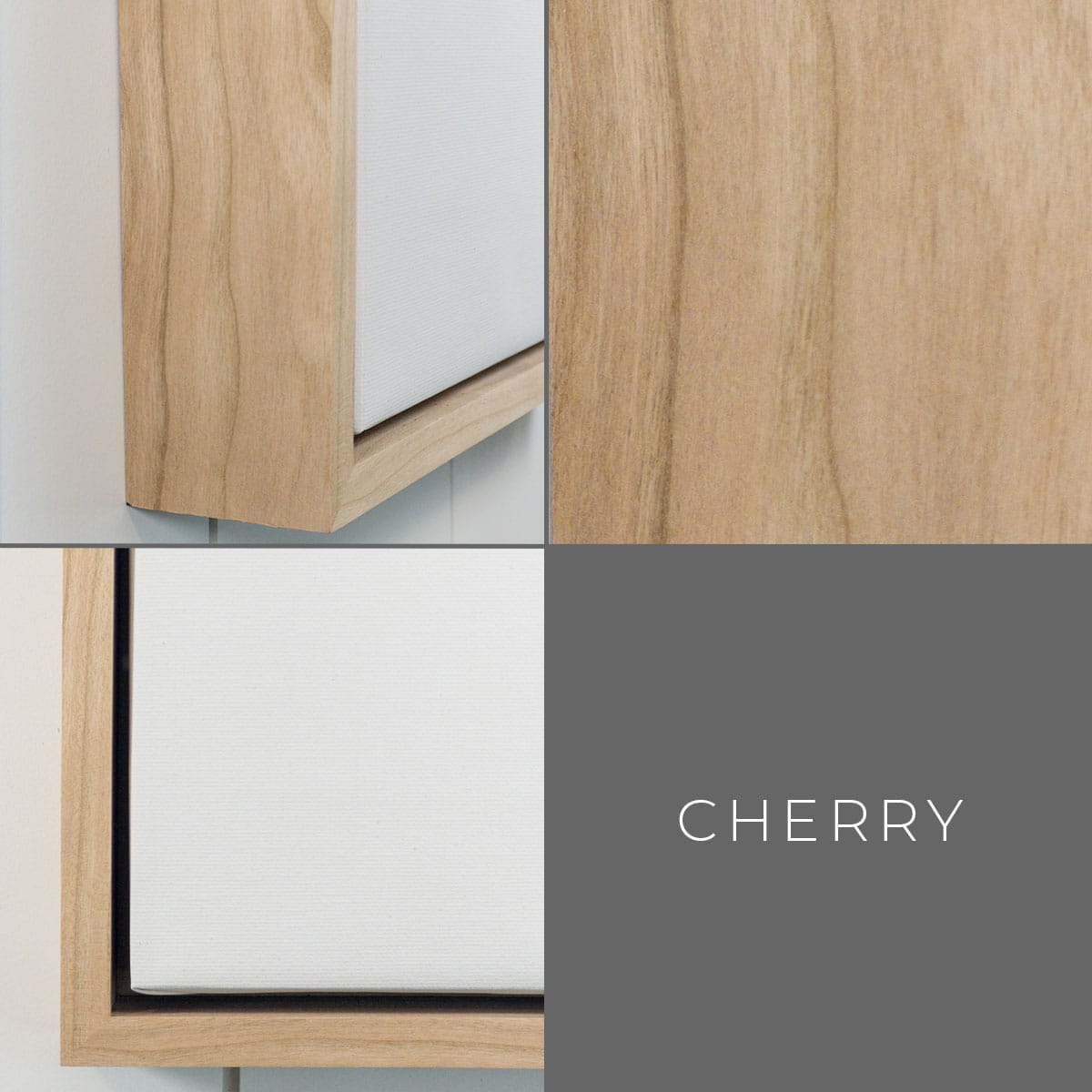
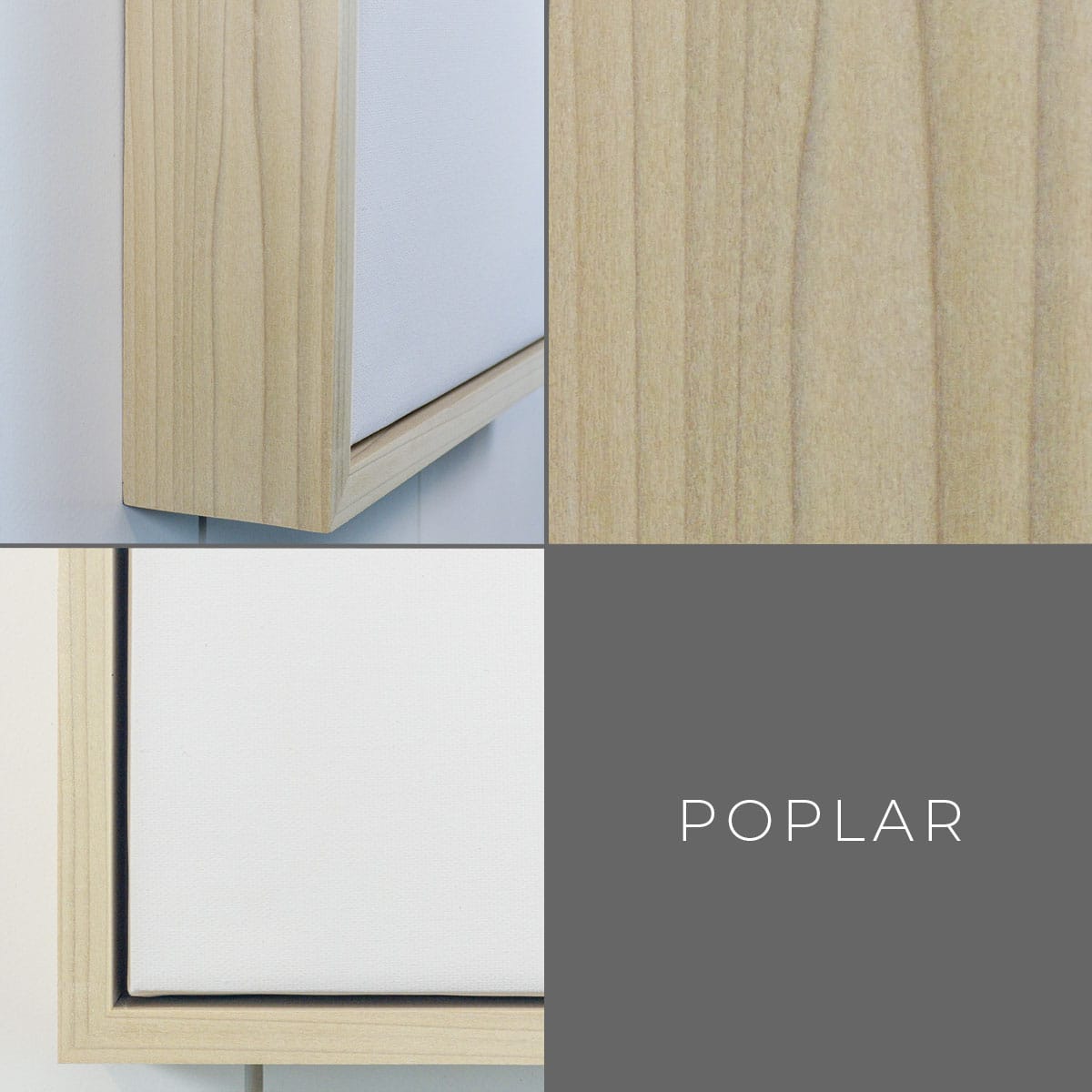
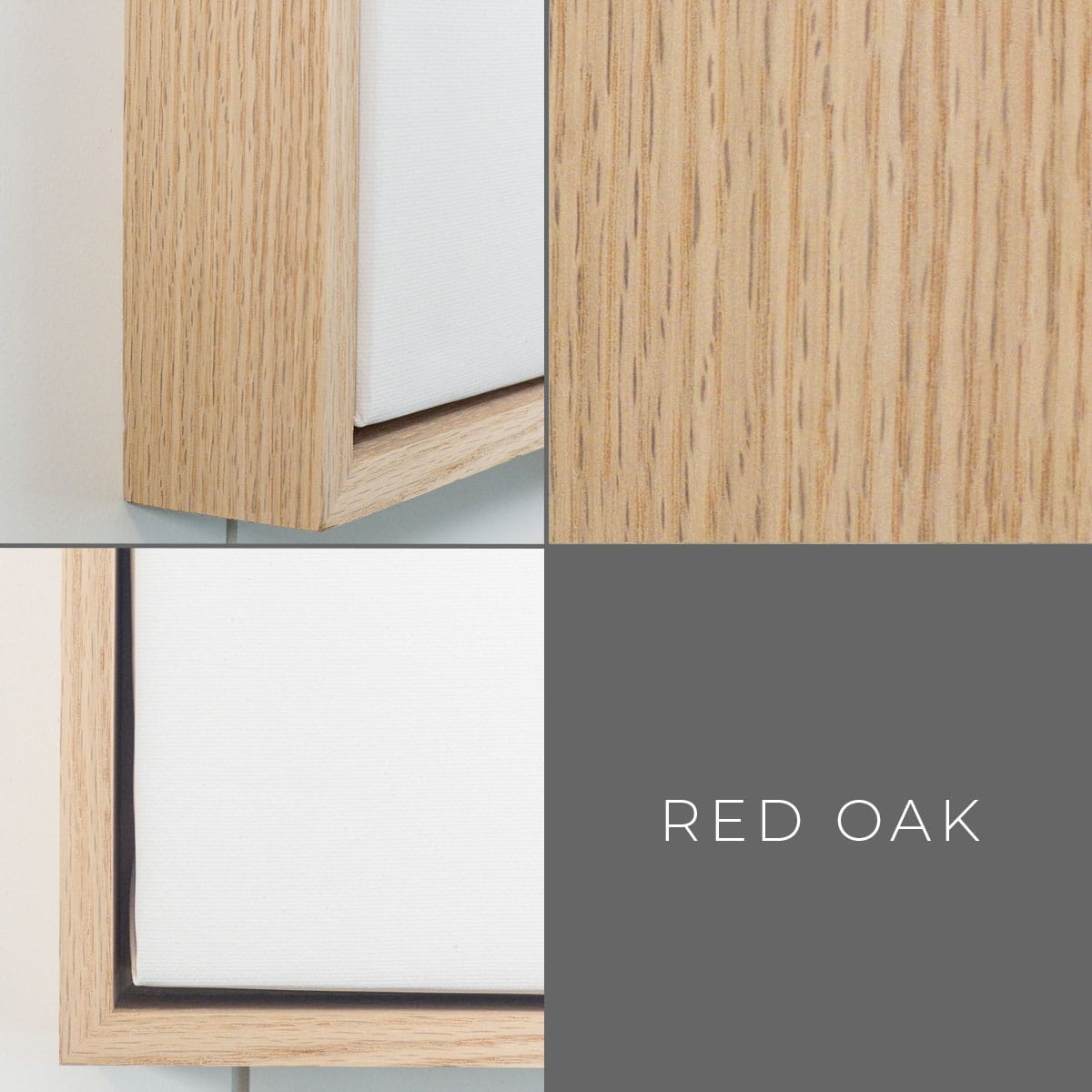
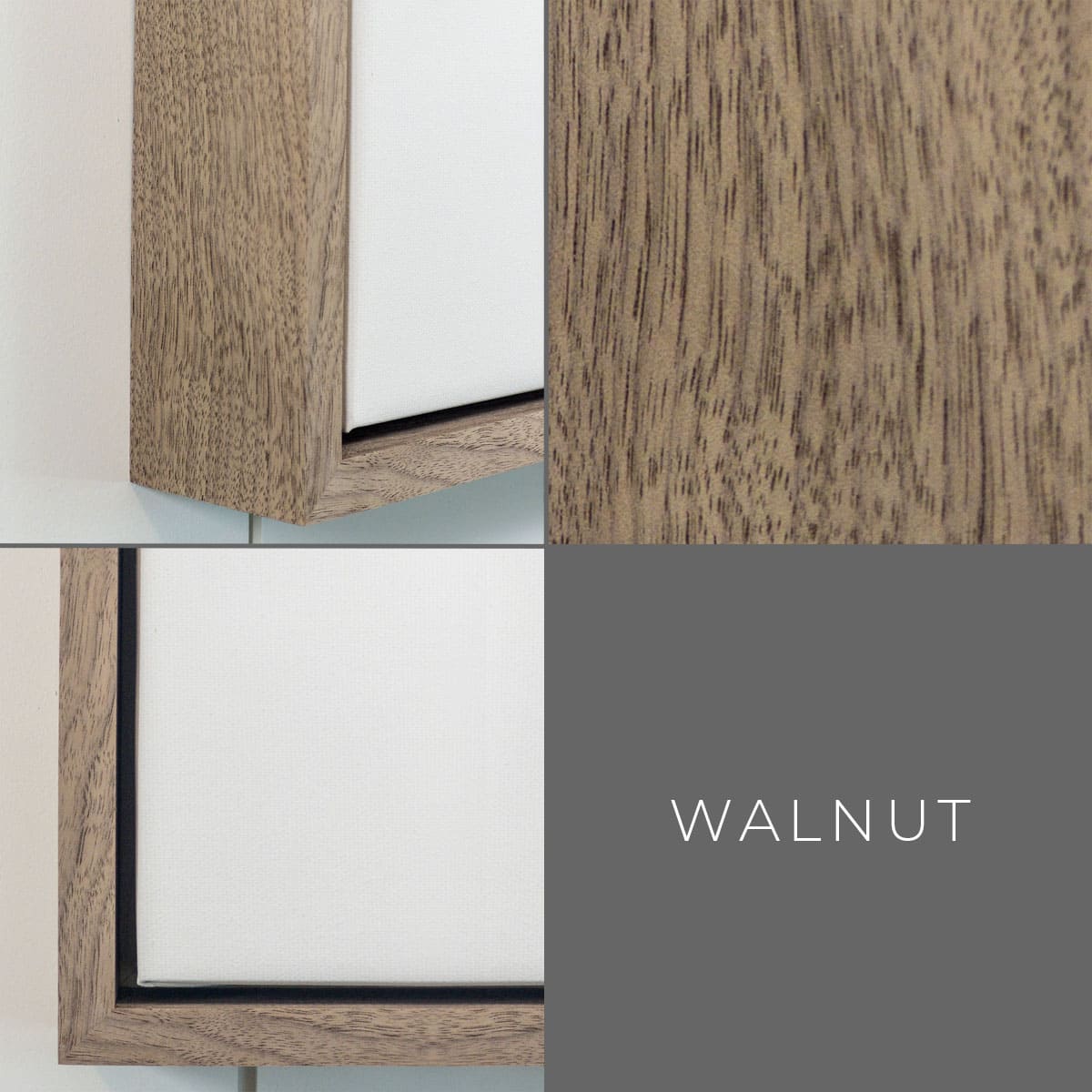
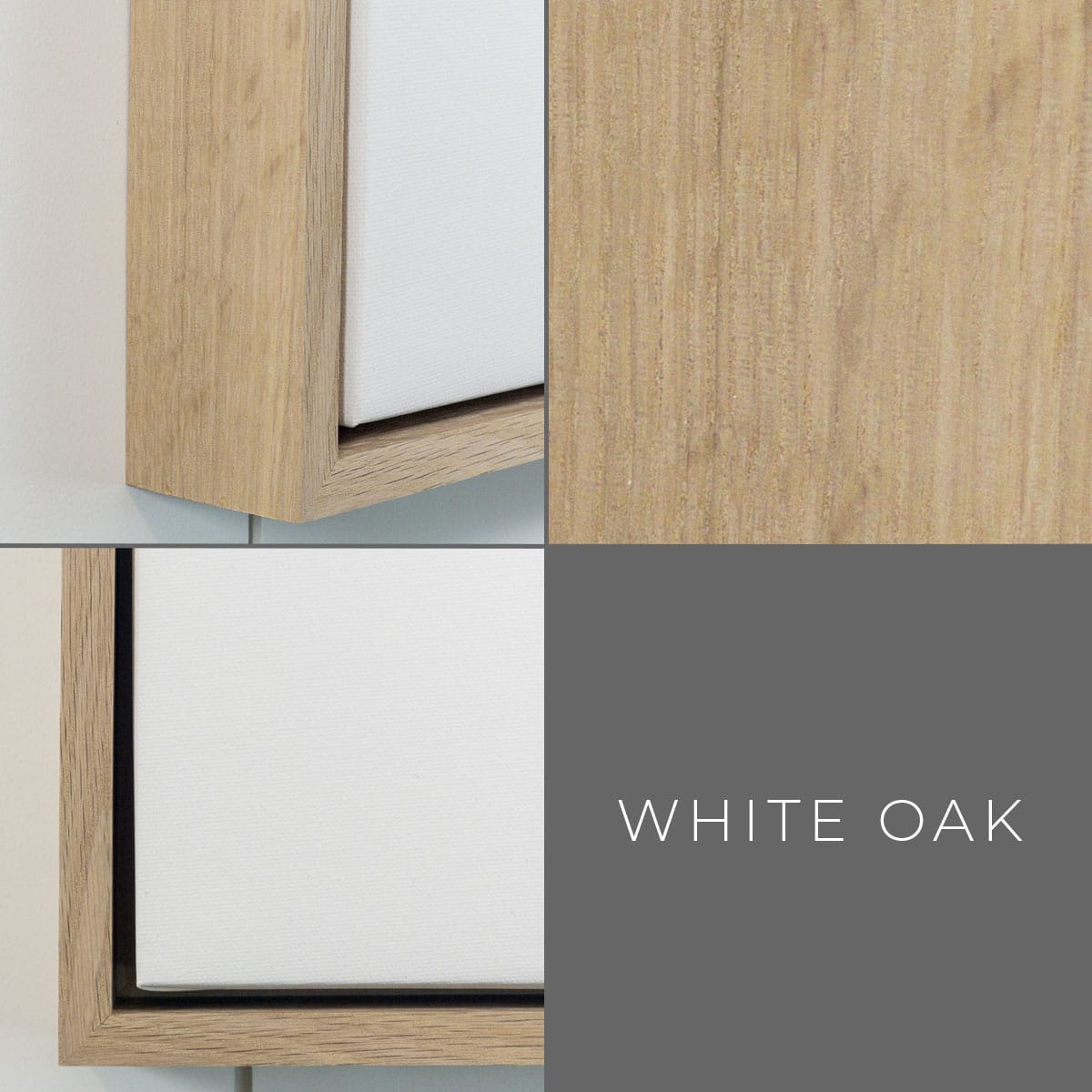
All orders will be shipped in 3-10 business days via USPS Priority mail, UPS or FedEx, depending on the size of the item and whether framing was desired. For medium to larger works, and if crating is needed to safely ship, it will be UPS or FedEX. USPS can ship larger works but it is a lot more expensive!
If I anticipate framing will take longer for any reason, I will reach out and let you know! You will receive a tracking number via email once the work has shipped.
If you are in the Fargo-Moorhead area and wish to pick it up, please select STUDIOPICKUP at checkout. I will have a table in the front lobby with your piece labeled for pick-up between the hours of 8 AM and 5 PM. I will always try to say hello if I am in the studio!
Thank you for supporting a small business!
Shop My Artwork


Footer