
Alicia Hauff Studio
Mixed Media Fine Artist in Fargo, ND
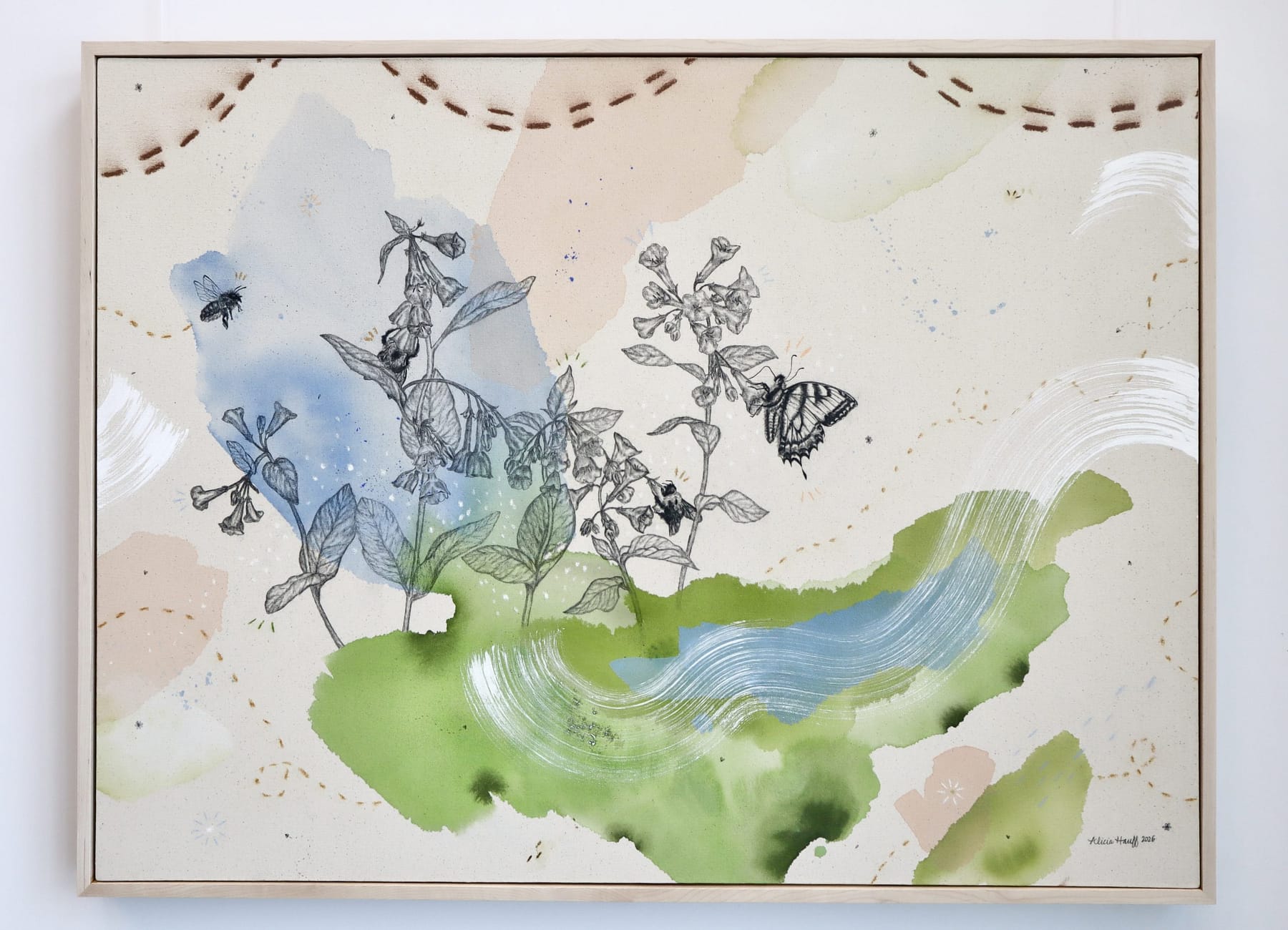
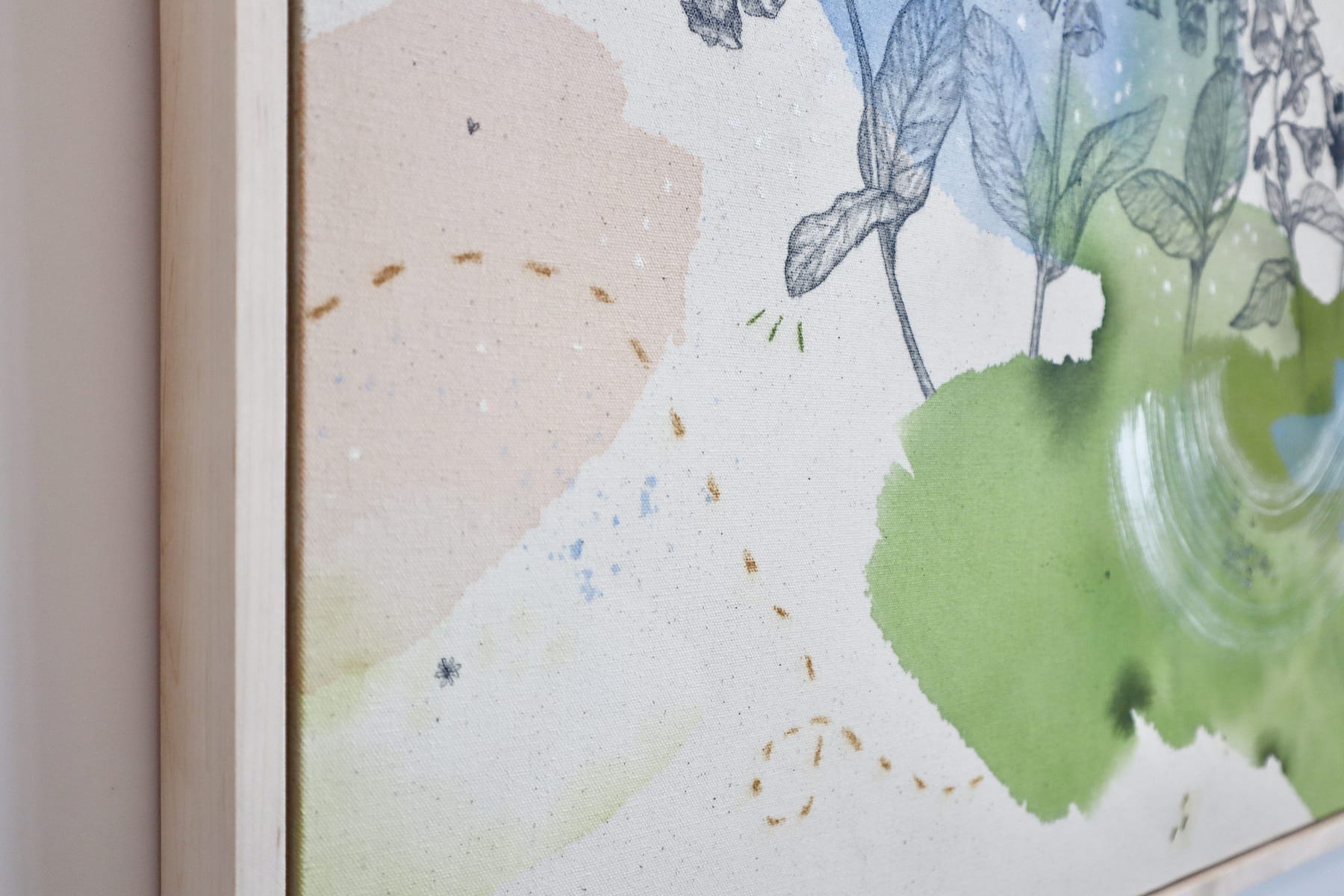
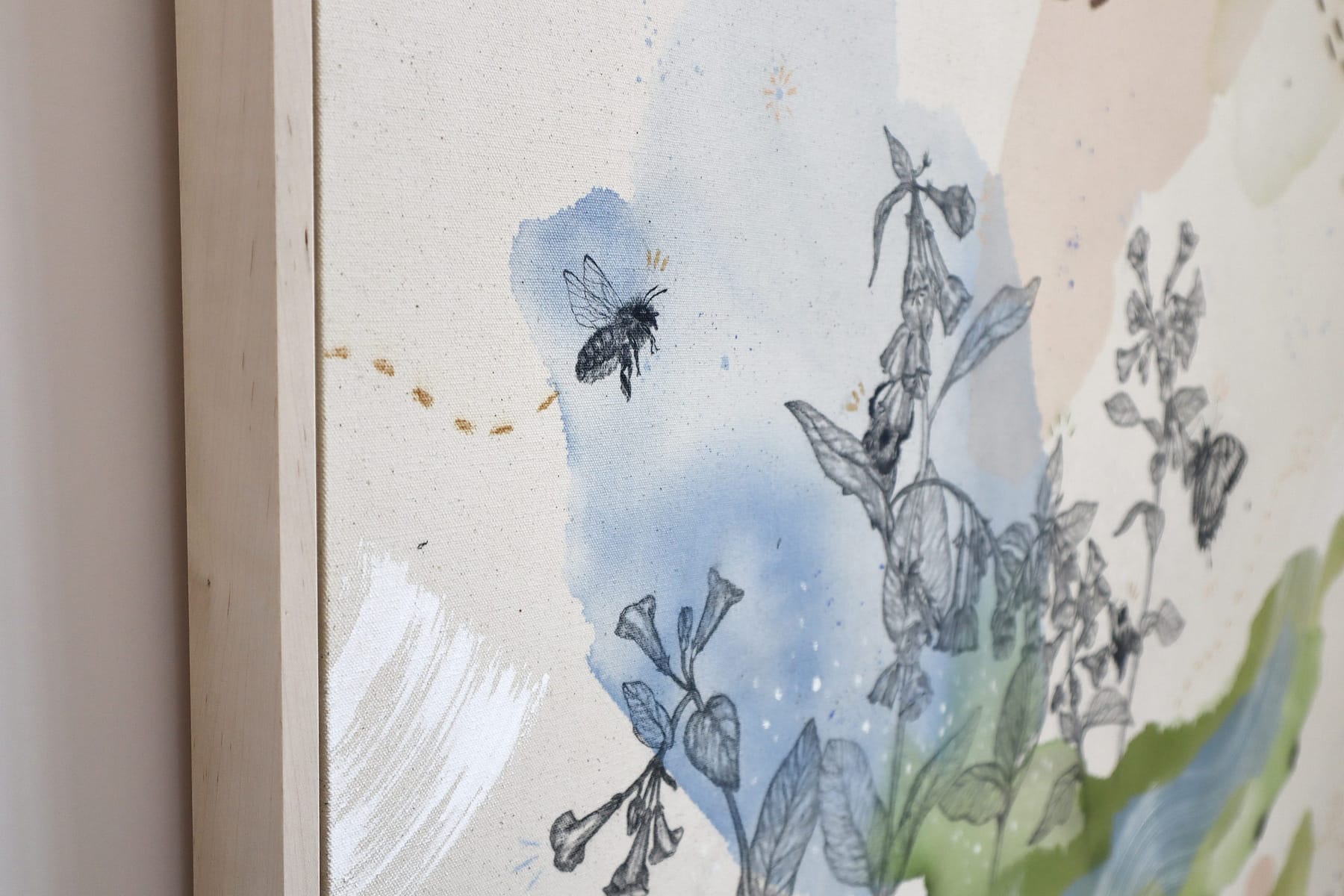
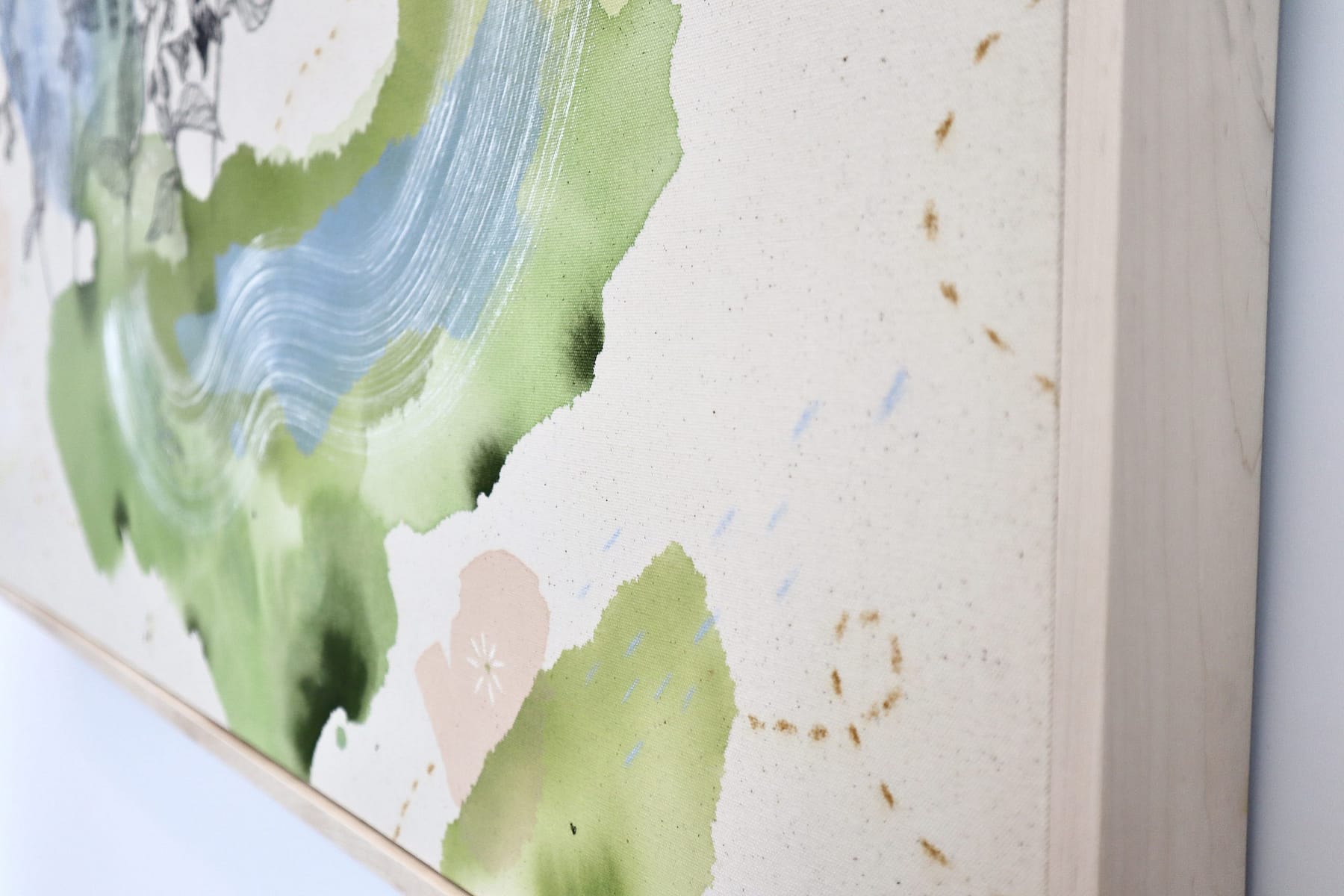
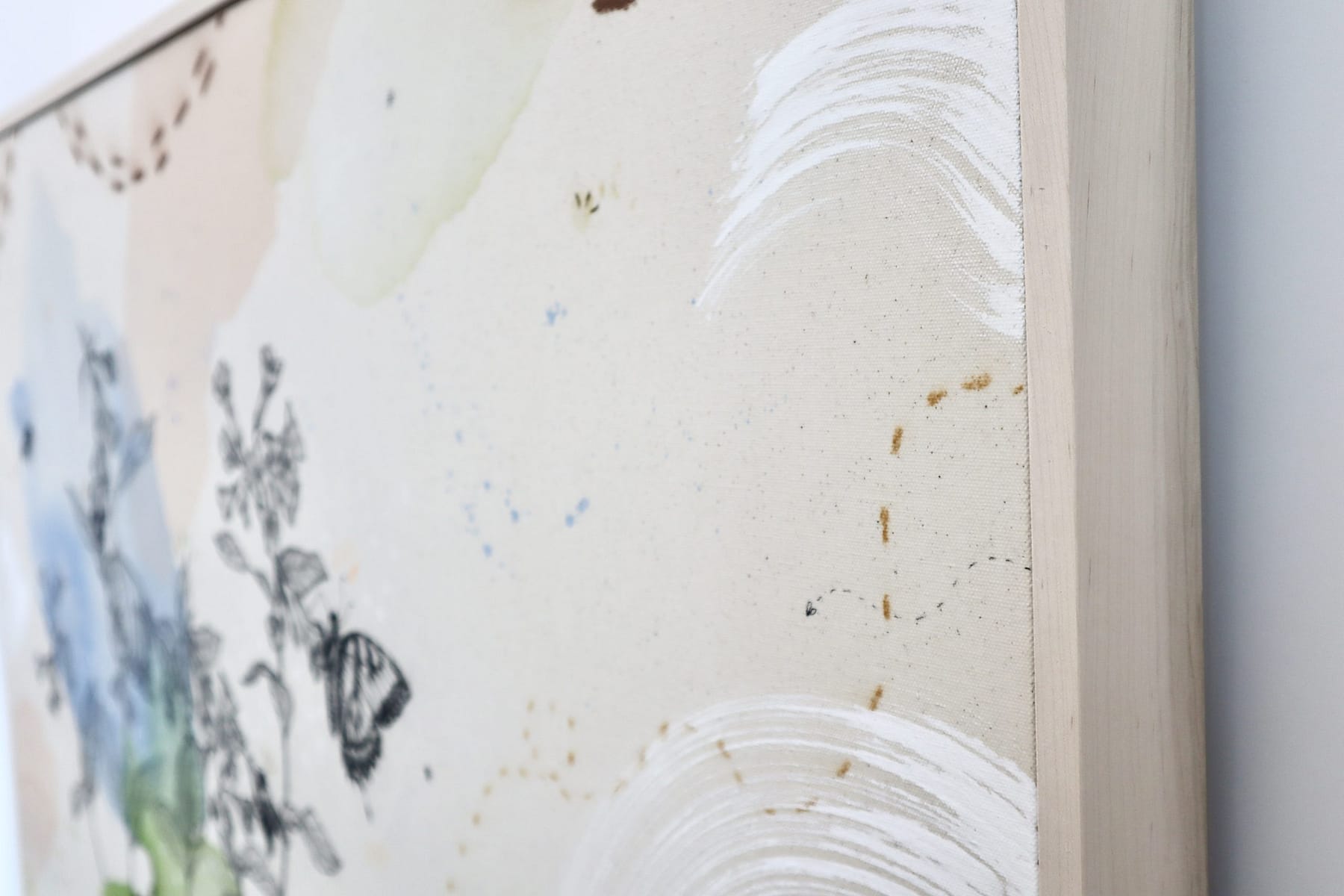
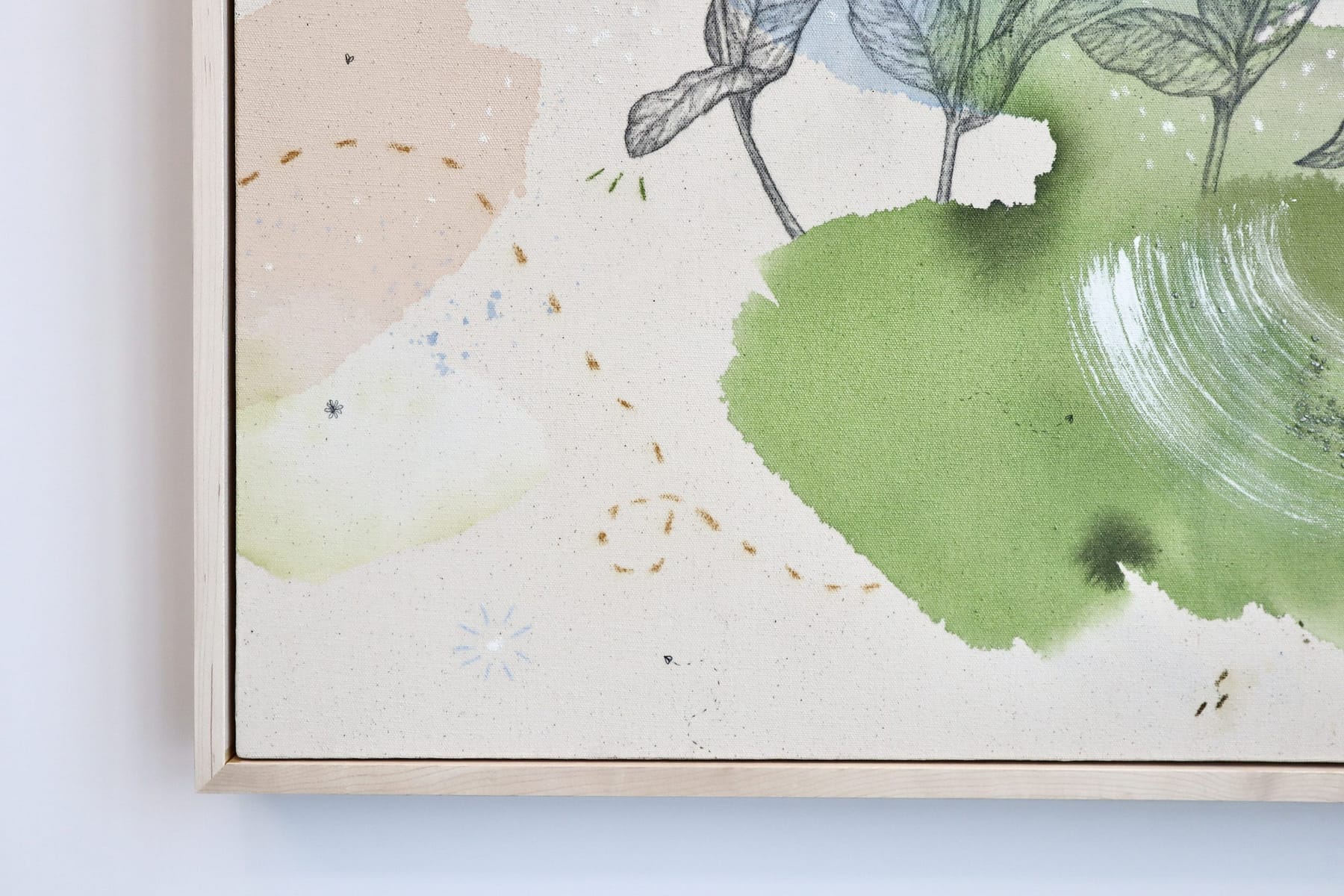
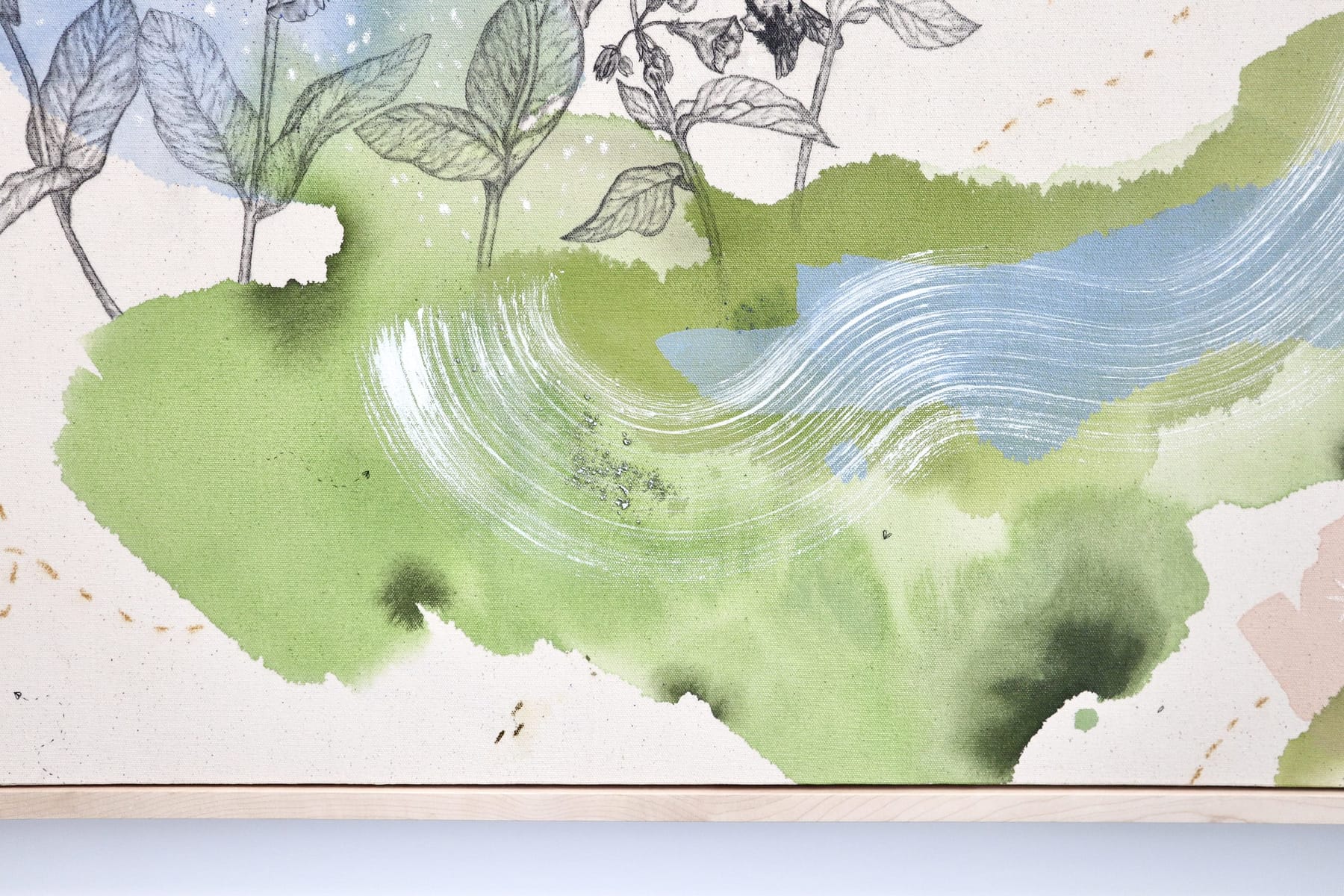
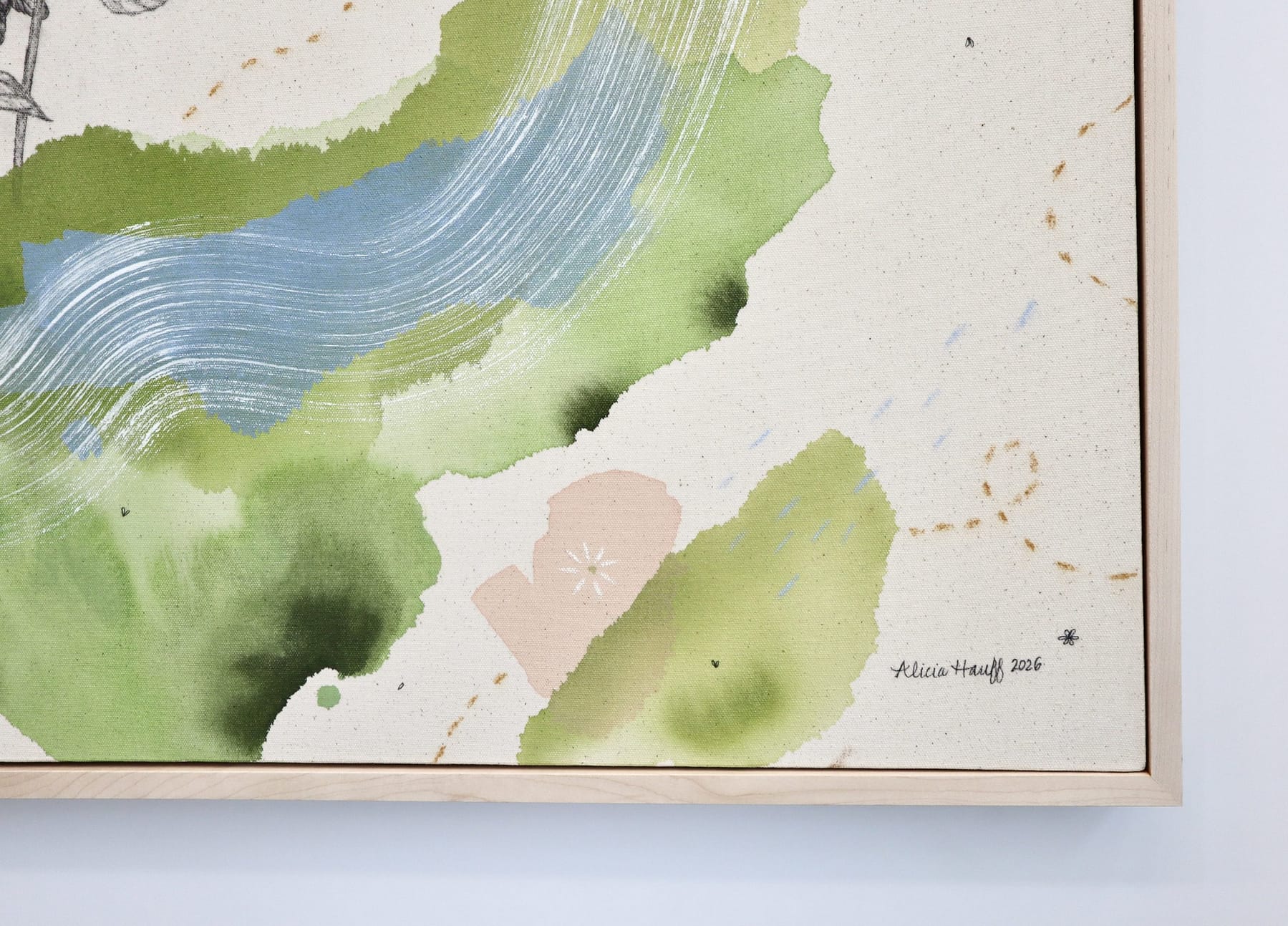
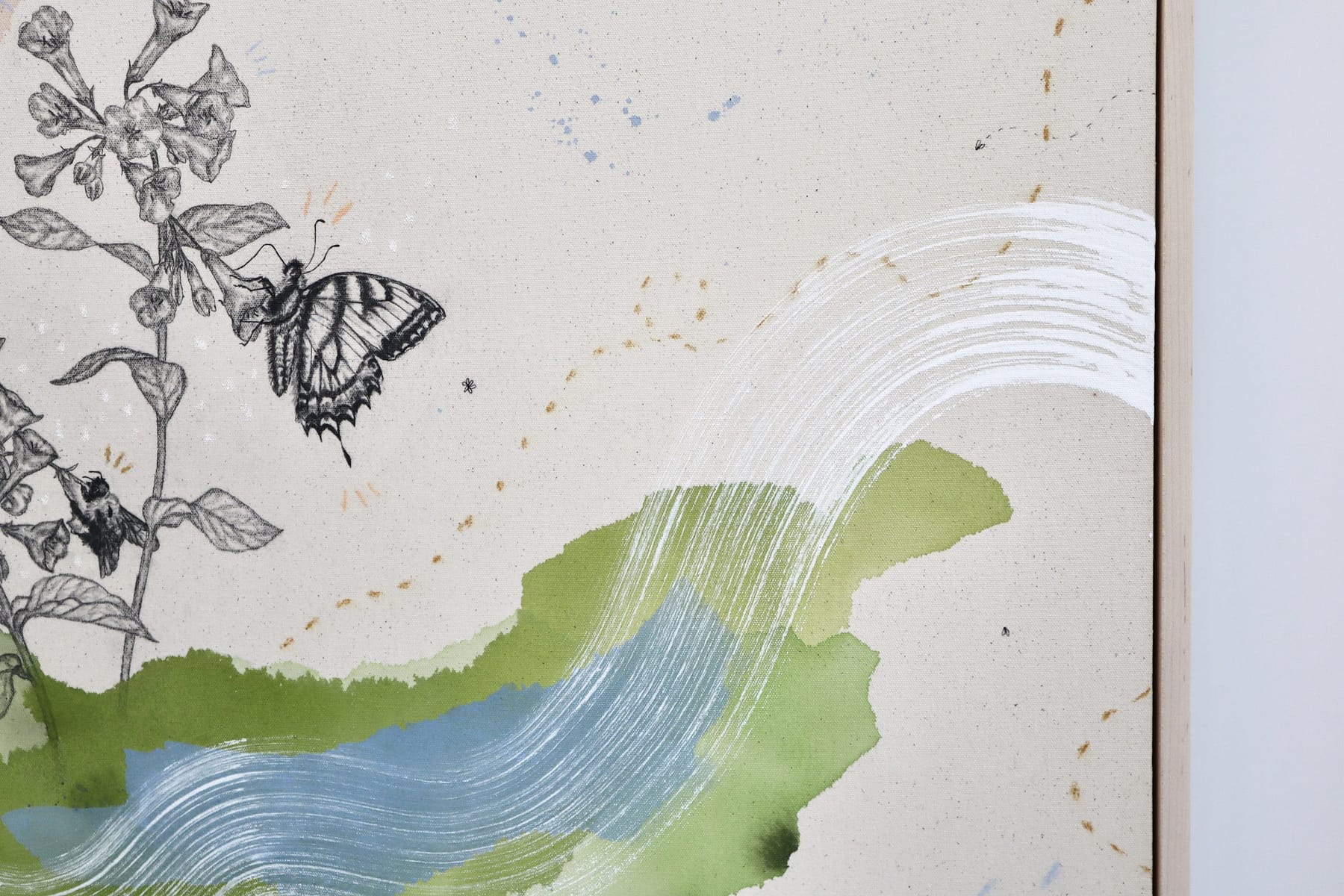
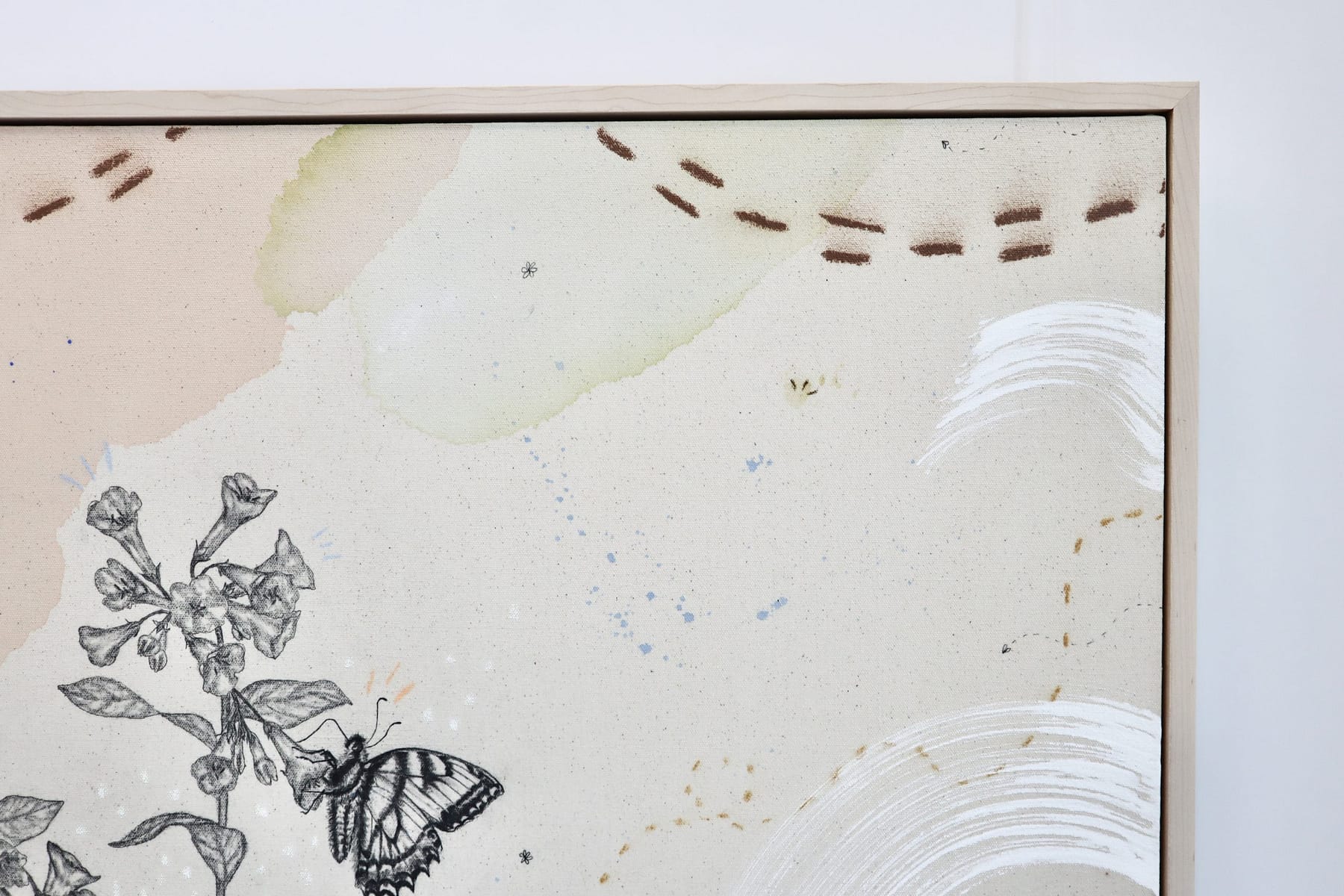
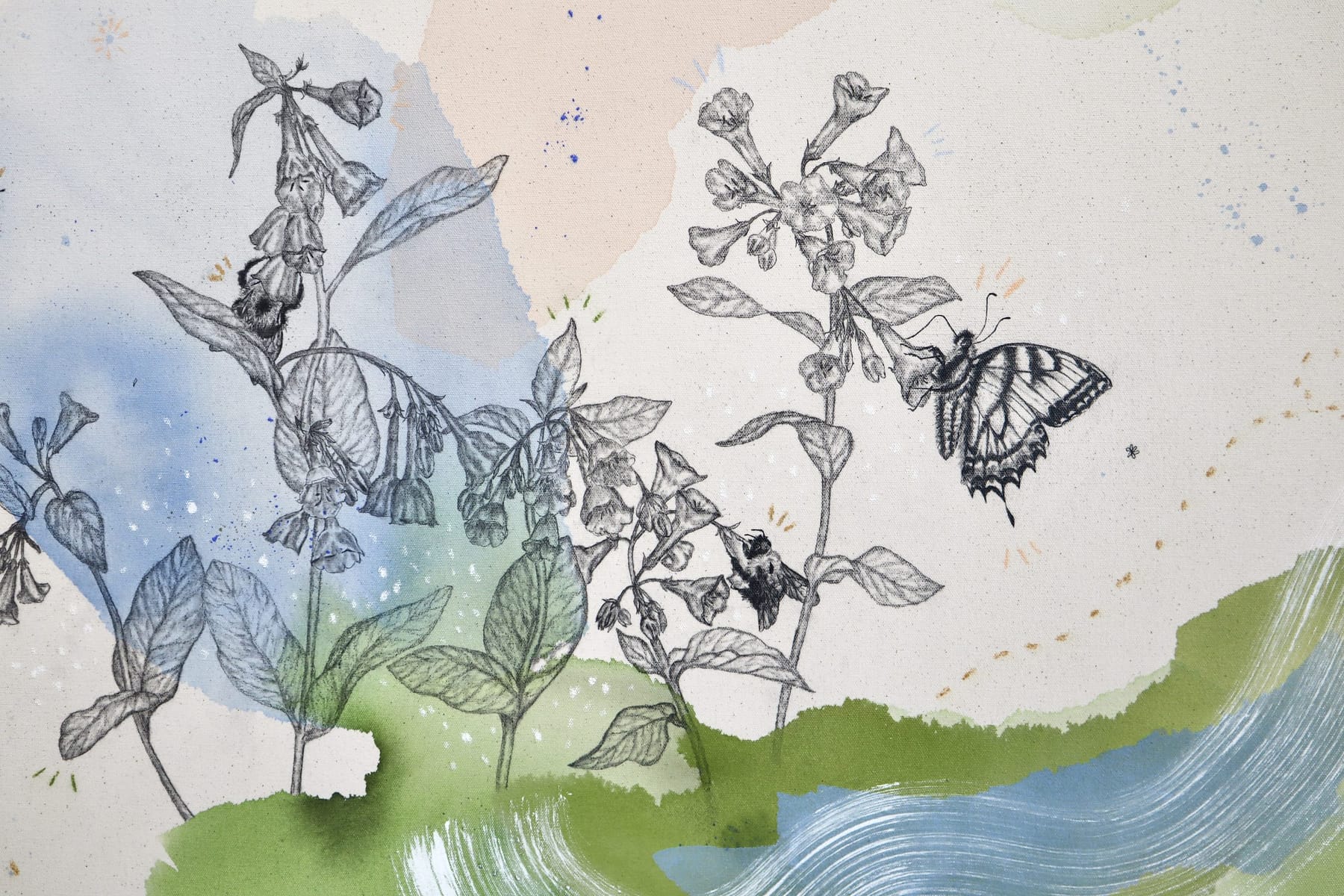
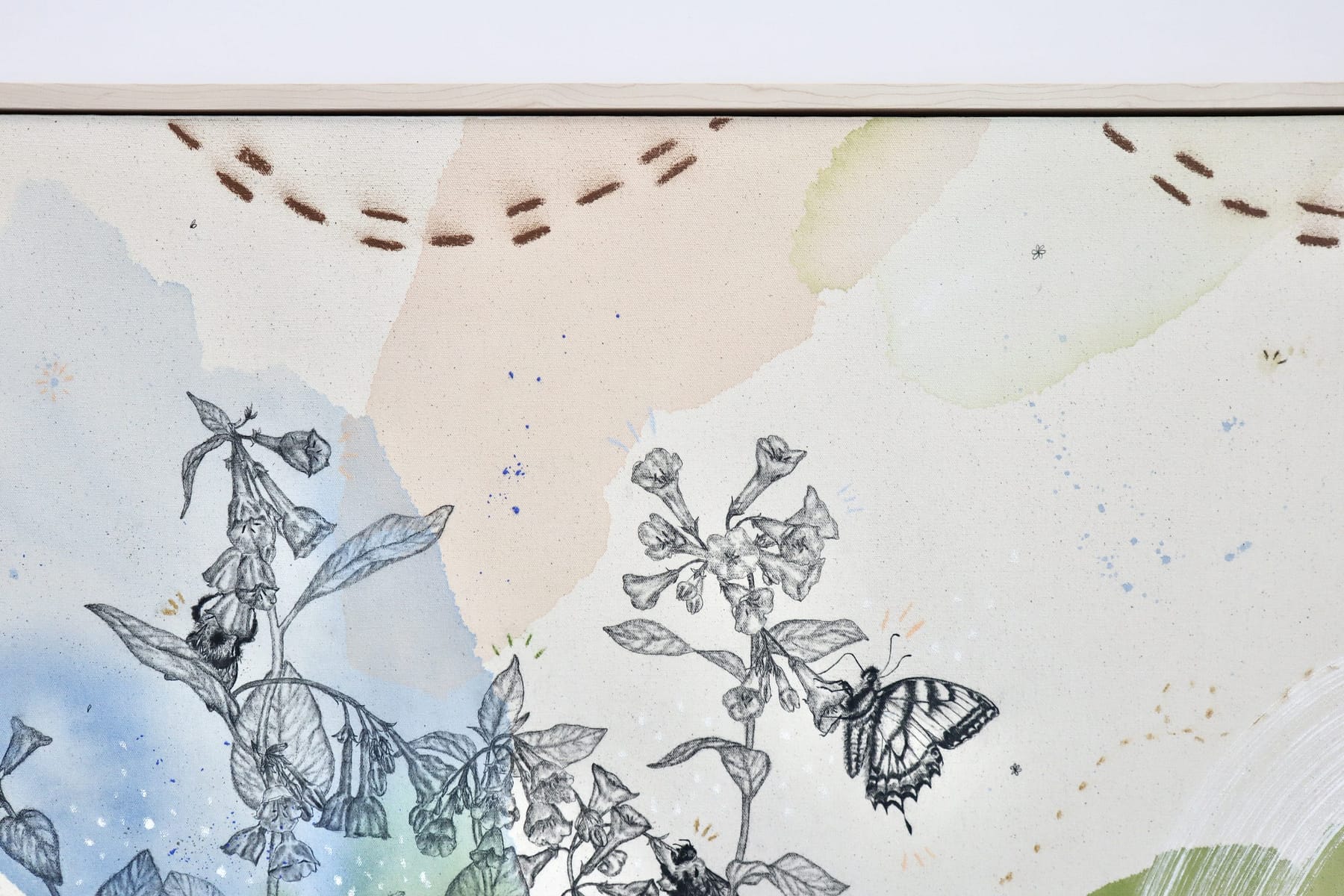
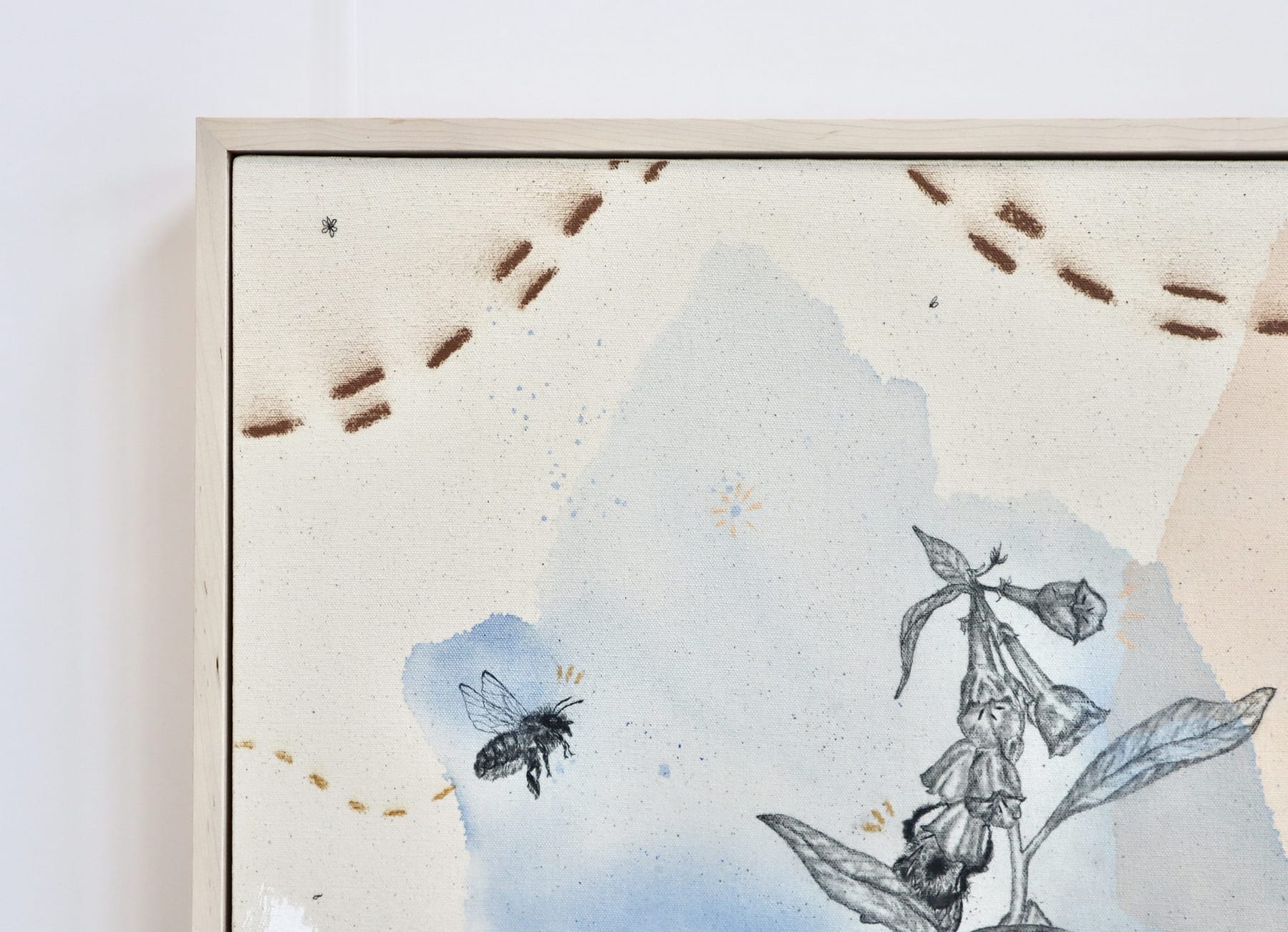
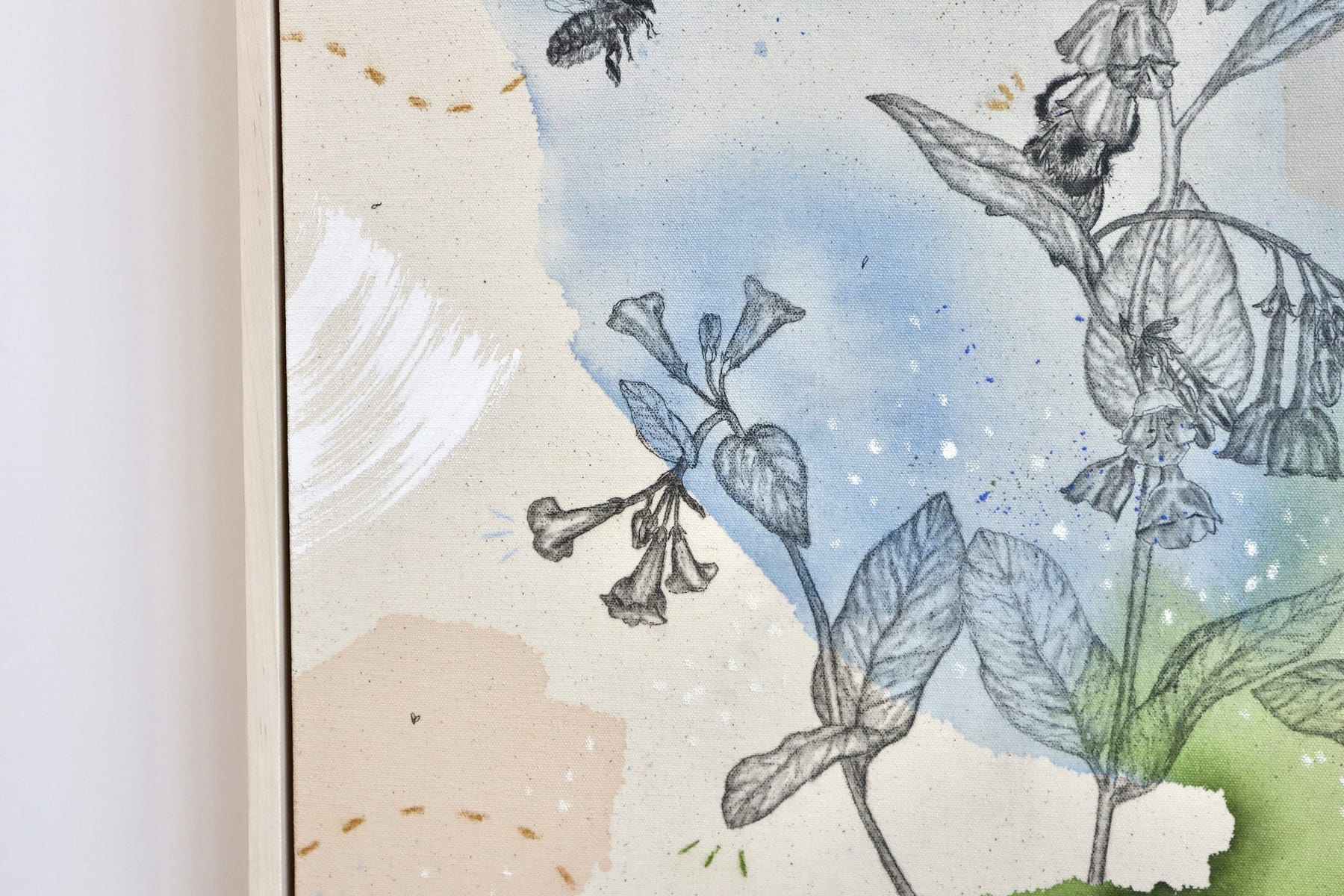
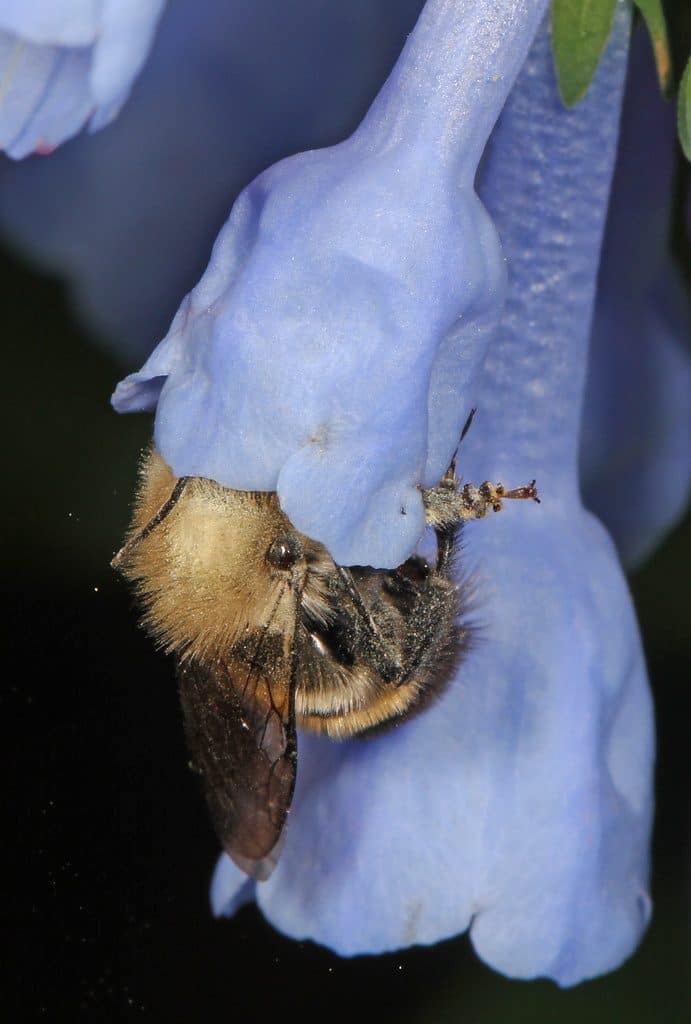
“Virginia Bluebells, Trumpeting for Spring Pollinators”
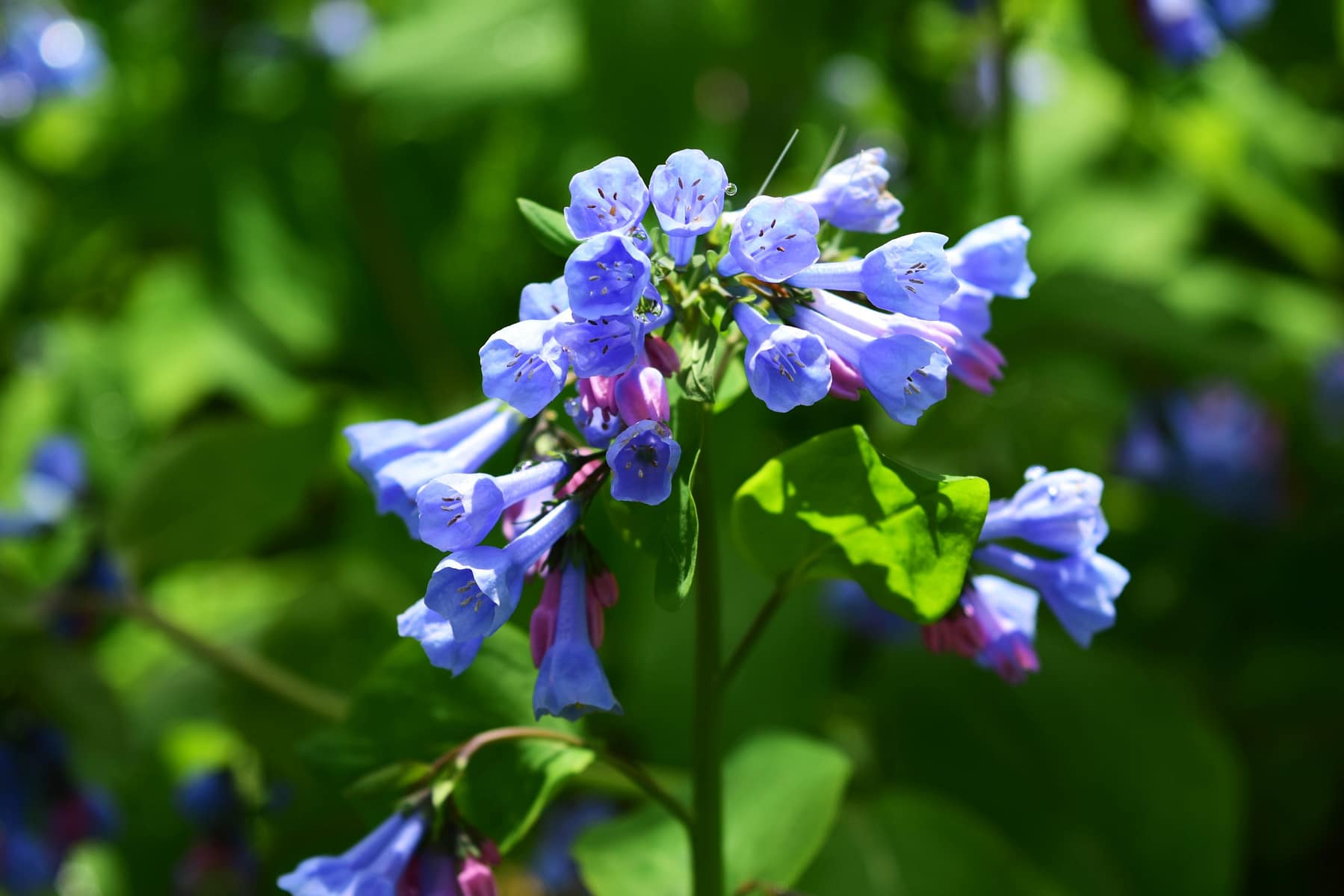
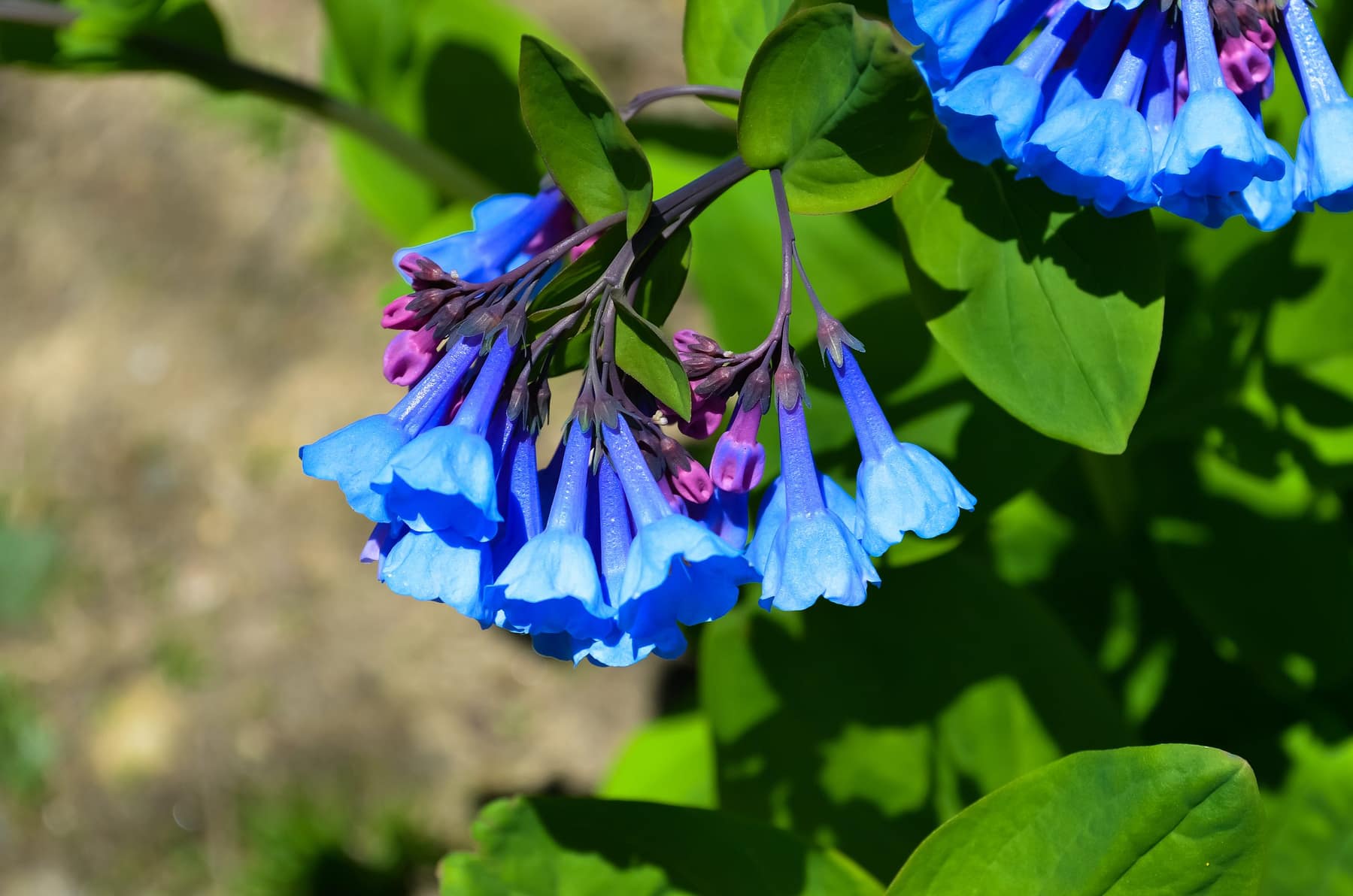
“One of the most beautiful species of spring ephemerals are Virginia bluebells (Mertensia virginica). These lovely plants are in the family Boraginaceae, which makes them relatives of other familiar species like Forget-me-not, Lungwort, and Comfrey. Bluebells enjoy rich yet well-drained soils where they can form large colonies over time. Growing fast, the flower shoots quickly give way to some of the most beautiful flowers east of the Mississippi. The flowers start off pink and gradually turn over to their famous shade of light blue as they mature.
Bees, especially female Bumblebees that fly in early spring, will often be seen visiting the flowers. Only the largest bees have the ability to push their way up the tube. The real champions of bluebell pollination are butterflies and moths. It is stunning to watch them perch delicately on the rim of the flower. A colony of bluebells is truly an amazing sight to behold! The blooms will last for many weeks in early spring (April and May) and will go dormant by mid-summer.” (Source: Prairie Moon Nursery)
Pollination Facts:
* Tube Structure: The flowers are narrow and tube-shaped, requiring visitors with long tongues or specialized behaviors to reach the nectar.
* They act like a pH indicator! The flowers start as pink/purple buds and turn blue upon blooming, sometimes turning pink again after pollination.
* Nectar Robbing: Short-tongued bees sometimes bypass the flower structure by biting holes in the base of the flower to steal nectar.
* Self-Pollination: While they can self-pollinate, they rely on insects for better, more significant seed production.
* Season: As a spring ephemeral, they are a critical food source for early-season insects; bloom for 3 weeks, going dormant in early summer.
Key Pollinators and Visitors:
* Long-tongued Bees: Bumblebees (most common), honeybees, mason bees, and Anthophora species.
* Butterflies & Skippers: These are common visitors that can easily reach the nectar. (That’s a skipper butterfly on the far right milkweed plant!)
* Flies: Specifically, large bee flies (Bombyliidae) and Syrphid flies (hoverflies/flower flies).
* Moths: Hummingbird moths and other species. (Hummingbird Moth pictured in the Columbine painting!)
* Birds: Ruby-throated hummingbirds (how have the widest range in North America).
Who is in this piece?
This piece features a Mason bee (left), native bumblebees, and a Tiger Swallowtail butterfly (right)
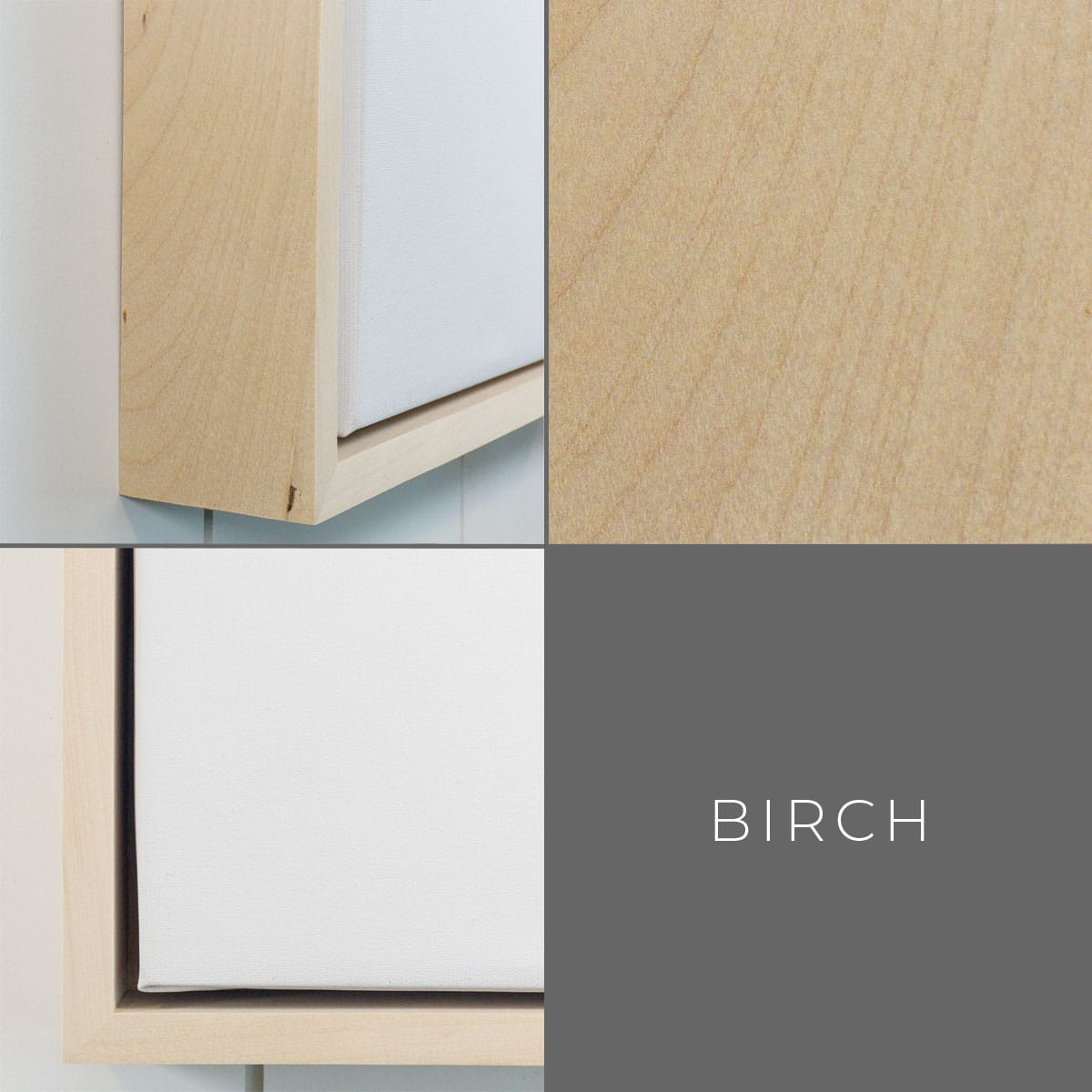
Frame Details: Hard maple float frame
Framed Size: 31x41x2(inches)
View Frame Options Gallery >
We offer hand made custom frames constructed from natural wood of your choice. Click on the photos below to open and preview the frame options.






All orders will be shipped in 3-10 business days via USPS Priority mail, UPS or FedEx, depending on the size of the item and whether framing was desired. For medium to larger works, and if crating is needed to safely ship, it will be UPS or FedEX. USPS can ship larger works but it is a lot more expensive!
If I anticipate framing will take longer for any reason, I will reach out and let you know! You will receive a tracking number via email once the work has shipped.
If you are in the Fargo-Moorhead area and wish to pick it up, please select STUDIOPICKUP at checkout. I will have a table in the front lobby with your piece labeled for pick-up between the hours of 8 AM and 5 PM. I will always try to say hello if I am in the studio!
Thank you for supporting a small business!
Shop My Artwork


Footer